











Swimming with Wild Dolphins: The Real Deal in Port Adelaide and Glenelg – It’s Not About One-Upmanship, It’s Just About Being There. Swimming with wild dolphins in Port Adelaide and Glenelg – it’s not about putting a big fat tick on your bucket list so you can brag to your mates. It’s about being really still for a bit, slipping quietly into the dolphins’ own backyard, not a million miles away from the heart of metropolitan Adelaide, and letting the whole experience just unfold without any pressure or expectation of performing a routine.
I’m Paul Beames, a guy who’s spent years showing people the less-glamorous bits of Australia, and I’ve picked up one thing – you only really get to experience wildlife when you keep your head down and your eyes up. Dolphin swims around Port Adelaide and Glenelg, do that when done right – it’s all about taking it easy in small groups, partnering up with eco-certified operators, and getting a healthy dose of marine science thrown in. And then – just occasionally – you get to have one of those magic moments that you just can’t script.
Why South Australia Delivers Dolphins
One of the hidden advantages of South Australia is just how close to the city centre you get to see real wildlife. You don’t need to hop in your car and drive for days or charter a plane – from the Adelaide city centre, you are less than an hour from waters that are home to a stable dolphin population all year round.
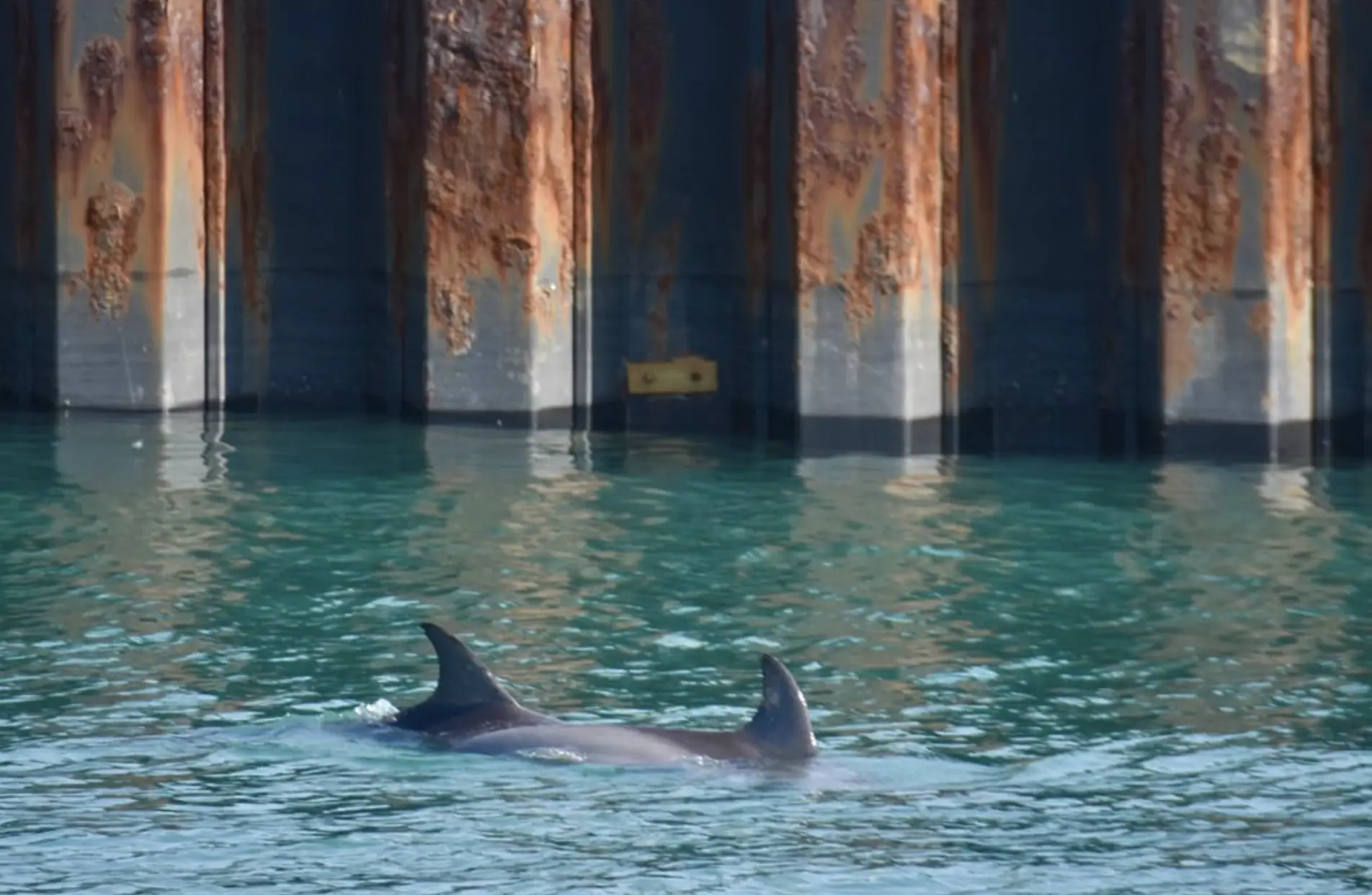
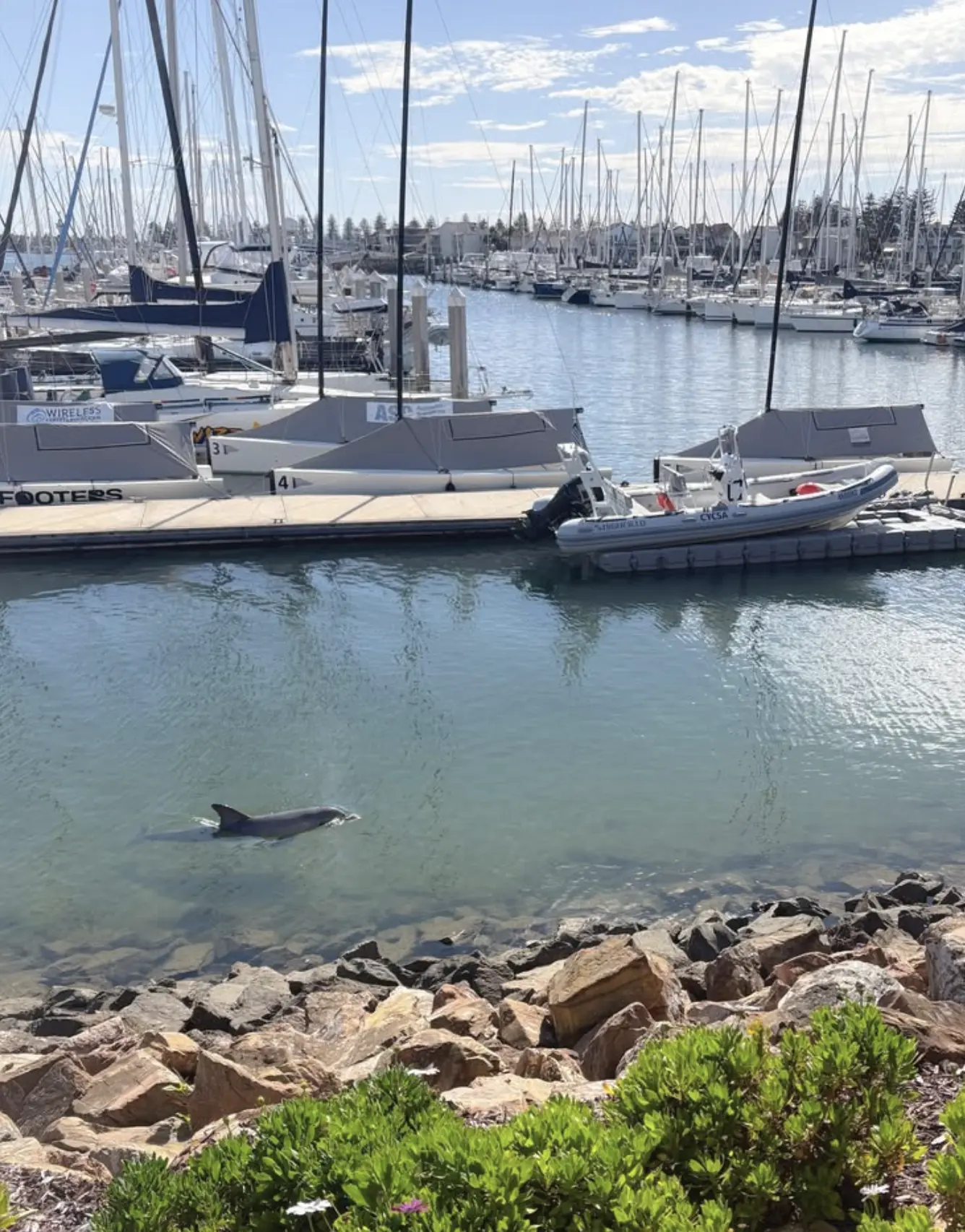
The key difference here is that these dolphins are residents. Theyre not just passing through, as you might see in parts of NSW or Port Phillip Bay. They live here, they feed here, they raise their kids here. That means you see the same dolphins regularly, including the local bottlenose dolphins – specifically the Indo-Pacific type.
Long-term monitoring has shown that Gulf St Vincent supports over 1,200 resident bottlenose dolphins, which is why you see dolphin pods regularly around Port Adelaide, Garden Island and out the back of Glenelg Marina.
For people who like to match their wildlife adventures with a bit of city action, this region really delivers more than you might expect.
Inside the Adelaide Dolphin Sanctuary
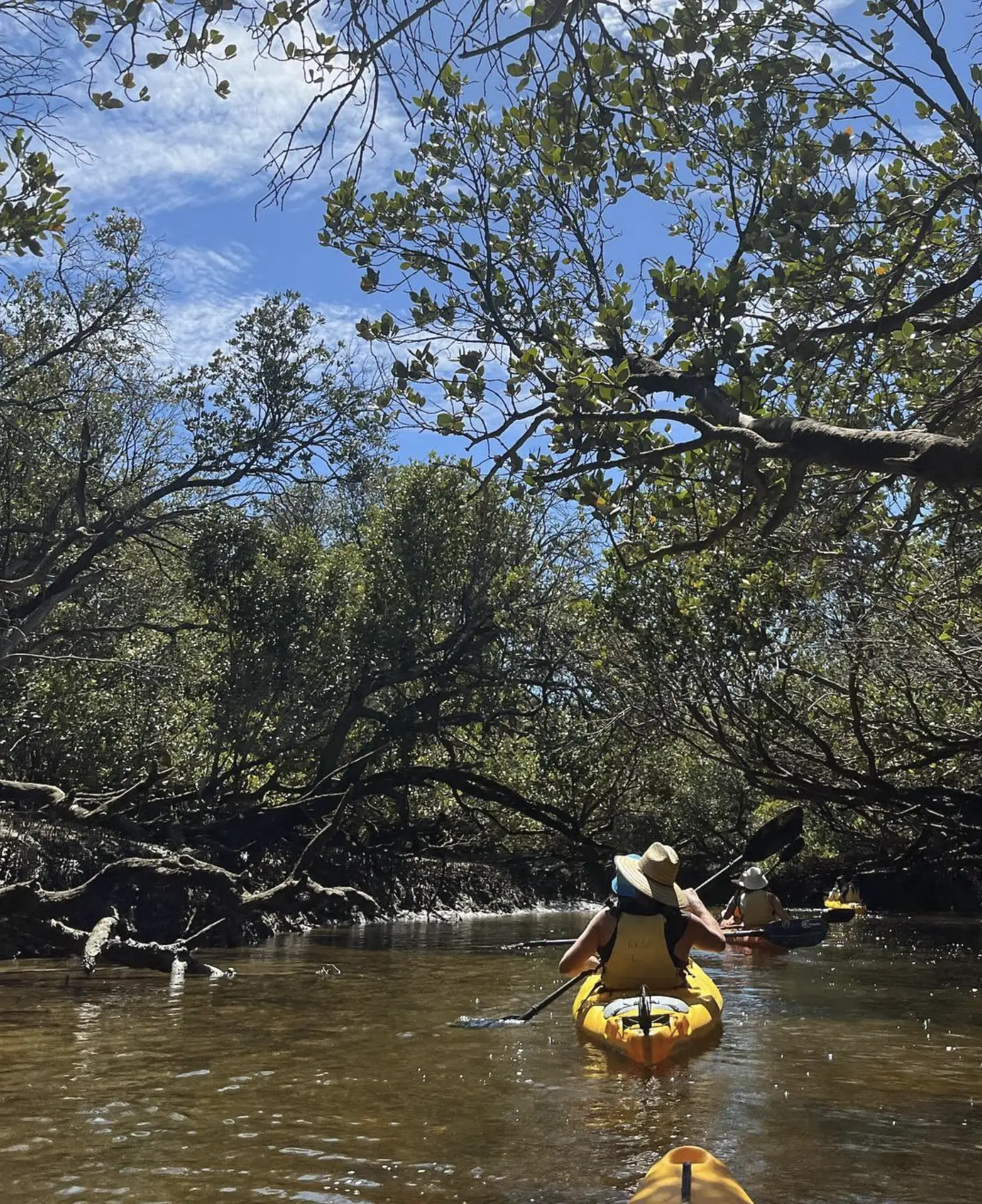
The Adelaide Dolphin Sanctuary doesn’t look like a picture postcard – and that’s why it actually works. This protected area covers the top end of Port Adelaide, where you’ve got working ports, mangroves, historic buildings and all the rest of it, all clustered together.
Dolphins cruise through:
- The thick mangrove forests that cover the area
- The shallow tidal flats and winding creeks are just waiting to be explored
- The old historic harbour areas, like the Ship’s Graveyard
Old wrecks and stuff just lying around act as artificial reefs – fish gather, and dolphins follow right in. Take a quiet morning cruise, and you might just see a pod of dolphins sliding alongside an old shipwreck with pelicans flying overhead and the smell of salt and mud in the air.
It’s really raw and real and a million miles away from the kind of dolphin experience you’d get in an aquarium.
Glenelg Marina and Dolphin Encounters
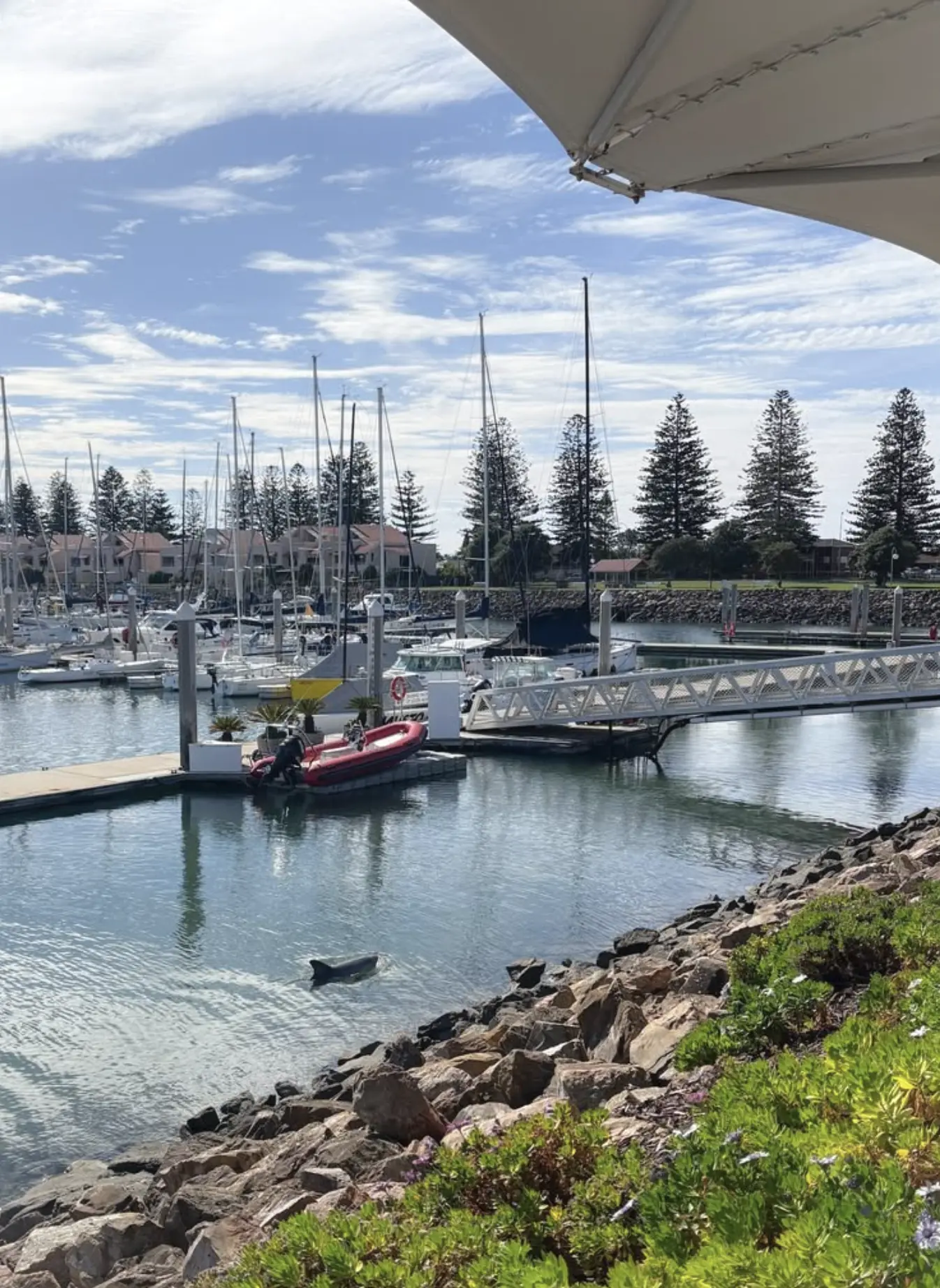
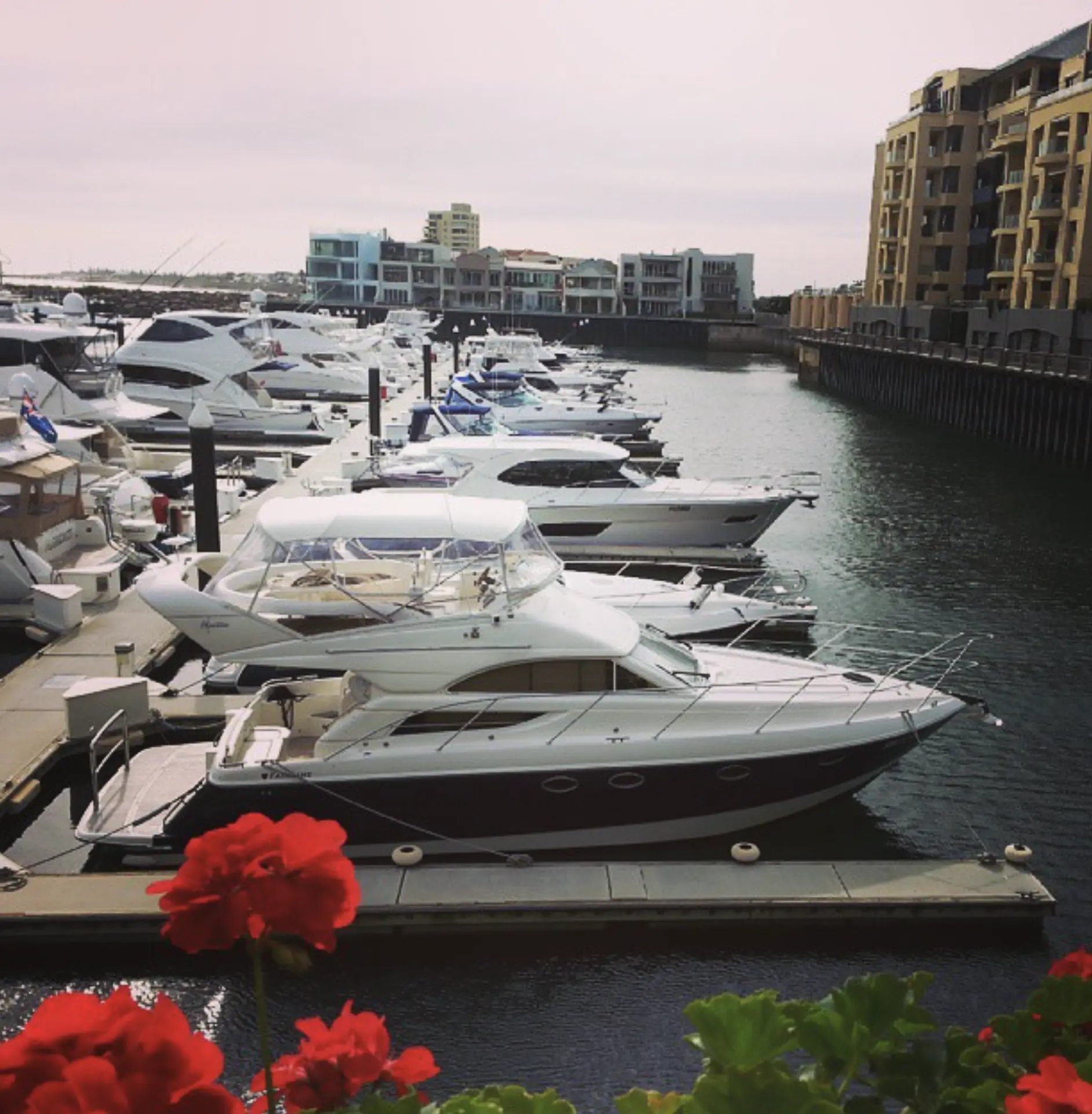
If Port Adelaide feels a bit too industrial for your taste, then Glenelg is the place to go – it’s got a different vibe entirely. When you set off from the Glenelg Marina, you’re pretty quickly out into the open waters of the gulf, leaving shipping channels and turbid waters behind and finding clearer conditions.
Lots of tours out of here run on sailing catamarans. This might seem like a minor thing, but it actually makes a big difference. The quiet engines and stable decks of these boats help to keep dolphins nice and relaxed, and that means the water entry points for swimmers are a lot safer and a lot calmer – whether you’re stepping off the stern platform or using a cargo net ladder.
These trips are great for people who are just getting into dolphin swimming, or for families who want to combine some wildlife spotting with a day out around the coast in Adelaide – Holdfast Shores is pretty close by.
How Ethical Dolphin Swim Methods Really Work
You’re not going to be doing any freestyle splashing here – all the reputable operators follow strict rules to make sure dolphin behaviour stays intact.
One thing you’ll hear the Adelaide excursions saying is:
- Front Swim Experience – you get in the water in front of a moving pod
- Back Swim Experience – you slip in behind the dolphins, which are already cruising along
Either way, you’re using a mermaid line to keep you stable in the water, and you don’t go diving at the dolphins or pursuing them – you just let them decide how much distance you get to have between you and how long you can hang out.
If the dolphins aren’t interested, the swim doesn’t happen – and that’s just the way it is. That’s not a failure – it’s a rule, and it’s a big part of what keeps the dolphins safe.
Choosing the Right Operator (this really does matter)
This is where a lot of people get caught out. The difference between having a great time and having a dodgy experience can come down to who’s actually running the show.
So what do you look for?
- Do they have a valid dolphin swim licence?
- Are they Eco Certified?
- Do they work alongside Marine Biologists?
- Are they putting some of their profits towards research or a carbon offset program?
There are some operators out there who have been doing this for a while and have a good rep – Temptation Sailing and Wildlife Tours spring to mind. They specialise in small-group, education-led encounters, which is a good way to get the most out of your experience without contributing to the problem of volume tourism.
If you come across an operator who’s promising guaranteed swims, or who’s trying to sell you on dolphin encounters like it’s some kind of thrill ride, then walk away.
What It’s Like to Be in the Water When It Works
You float face down in the water, taking long, slow breaths. The water might be crystal clear, or it might be murky green – it doesn’t really matter.
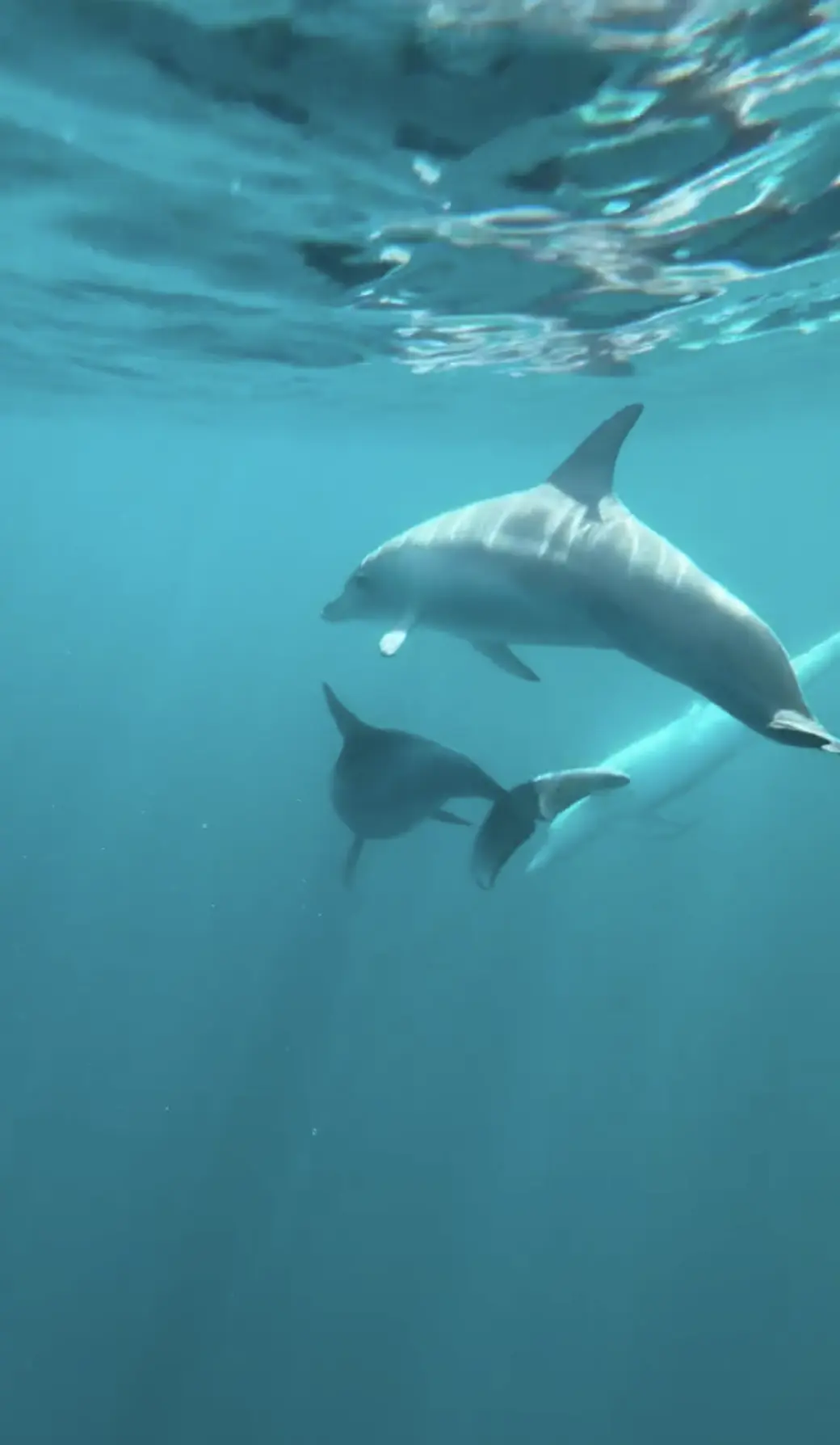
Then, suddenly, there are the dolphins. A pod of them glides past, they circle around you, they just keep on going without even breaking stride.
The best swims I’ve ever had weren’t the longest ones – it’s the quiet ones that stick in your mind. I once had a juvenile bottlenose which cruised up alongside our line, took a curious look, and then just swam off into the green. No tricks, no show, just dolphin being dolphin. That’s what it’s all about.
Port Adelaide Versus Glenelg: A Practical Comparison
| Aspect | Port Adelaide | Glenelg |
|---|---|---|
| Dolphin Reliability | Very high | High |
| Water Clarity | Murkier | Clearer |
| Setting | Mangroves & maritime history | Open gulf |
| Best Suited To | Wildlife-focused travellers | First-timers |
| Launch Points | Inner harbour | Glenelg Marina Pier |
Respecting Sea Country
These waters run right over Kaurna Yerta, and while there are tours operating out at sea, it’s a big part of responsible tourism here to show some respect for Sea Country. More and more tour operators are incorporating some cultural storytelling or teaming up with a First Nations guide on coastal and Bird Sanctuary Tours.
It’s not just about the ceremonial stuff – although that can be part of it – it’s about really getting a grasp on where you are and behaving as you should.
The Best Time of Year to Do a Dolphin Swim in Adelaide
South Australia doesn’t have the same wet and dry seasons as up north, but timing still counts.
Keep in mind:
- Autumn has the best mix of calm seas and comfortable water temps
- Winter has cold water, fewer boats and the dolphins are pretty active
- And then there’s Spring – the conditions get a bit better, but the visibility can be a bit hit and miss
- And Summer – the water’s warm, but it’s also pretty busy with boats and stuff.
- Wetsuits are a must year-round, even on a hot day – once you’re floating out there in the water, you’re going to need some insulation to keep cosy
What to Pack (and What to Leave Behind)
Take:
- Reef-safe sunscreen (you don’t want to harm the coral and other sea life)
- Warm clothes for after the swim
- Motion sickness tablets (just in case)
And leave behind:
- Don’t even think about bringing your scuba gear – it’s not allowed
- No big camera rigs either
- And no high expectations – this is wildlife, not a show to put on for you
How Adelaide Dolphin Tours Stack Up Against the Rest
People are always comparing Adelaide to places like Port Stephens, Nelson Bay, or asking if it’s similar to dolphin viewing near Kangaroo Island or Western Australia
Now, those places are all great for dolphin cruises and getting a good look at them at the surface. But there’s one thing that really sets Adelaide apart – the dolphins are residents here, and they operate within a protected sanctuary, just minutes from the city.
If you’re combining wildlife spotting with some city time in Adelaide, that’s a pretty rare experience for most travellers.
The Honest Takeaway
If you’re after a guaranteed meet-and-greet with dolphins, look elsewhere. If you want a genuine, respectful wildlife experience run by people who actually know a thing or two about dolphins – not just some slick marketing pitch – then Port Adelaide and Glenelg are the real deal and consistently deliver.
It’s not about what you get out of a wild dolphin swim; it’s about what you leave behind. If you’re going for a swim in the wild, you need to think less about what you’re gaining and more about what you’re taking out of the experience.
If you’re putting together a broader South Australia itinerary – maybe a mix of city breaks in Adelaide and some coastal explorations – then I’m always game to share some honest advice on what actually works.
FAQ
Are dolphin swims policed in South Australia?
Yes – they’re very much regulated. Any operators offering dolphin swims must have a permit and adhere to strict rules set by the state and federal governments.
Are all tours going to include a swim?
No – it’s not that simple. You only get to swim if the dolphins actually decide to come and join you – which is exactly how it should be.
Is this sort of thing suitable for kids?
Generally speaking, yes, but only for confident swimmers from around 8 years old.
What’s the main difference between watching the dolphins from the boat and getting in the water with them?
Watching from the boat just keeps you on the surface, whereas the swim tours let you take a quiet, passive look at the dolphins when the conditions are right – and that’s it.
Does this sort of thing actually harm dolphins?
Only if you’ve got a dodgy operator who doesn’t care about the rules. But if you stick with one of the licensed, Eco-certified operators, the impact is super minimal, and they’ll be keeping a close eye on things.