
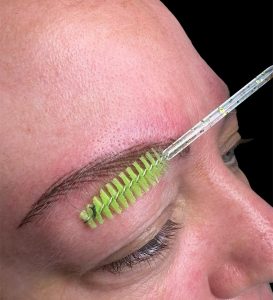
If you’re asking if petroleum jelly causes folliculitis, the answer is yes, but only in a specific set of circumstances. The short answer is, not on its own, but if used in the wrong way, it can increase your risk. When you’re dealing with freshly bruised skin from cosmetic tattooing, microneedling or waxing, slapping on a thick layer of pure petroleum jelly or a heavy balm will trap all sorts of things – sweat, oil, debris and even dust – against your skin, and that’s a perfect storm for clogged hair follicles and folliculitis.
I’m Olha Po from Cosmetic Tattoo Studio Melbourne Face Figurati. One of my core principles is to give my clients straight answers rather than get caught up in internet drama. Now I know some people swear by the stuff, but the thing is, petrolatum can help your skin stay hydrated and repair itself, but only if you don’t overdo it, use it on clean skin or apply it to areas that are prone to spots or hair.
Warm Consult, Straight Answer
Let’s get one thing clear – petroleum jelly isn’t automatically bad for you after some kind of treatment. The problem is how you use it, where you use it and what kind of environment you’re creating on your skin.
Now, in my Melbourne studio, I’ve noticed that people often think that more is better when it comes to aftercare. But let me tell you, I’ve had people who have sabotaged their skin by slapping on so much balm that it’s left them looking sweaty, bumpy and irritated – the polar opposite of the results they were hoping for.
Why Slugging Became Popular
Slugging is all about applying a thick layer of petrolatum, Vaseline or some thick balm to keep your skin hydrated. In normal dry skin care, it can be really useful for locking in moisture. But when you’re dealing with micro-trauma wounds like after microneedling or waxing, the situation is a bit different.
If the skin is freshly injured and inflamed, a light, clean layer might be okay in some cases. But a thick layer of ointment or balm just keeps heat and sweat from escaping, so dirt and oil can sit there for too long.
How Occlusives Behave On Fresh Skin
Petrolatum itself isn’t generally a problem for most people – even some respected sources like DermNet NZ say it can actually help with wound healing if used properly. But what does “properly” mean? Well, it’s all about context – non-comedogenic doesn’t mean completely risk-free.
And for one particular group of people – those with hair-bearing skin – applying a lot of petroleum jelly aftercare can just make things worse. Imagine applying a thick layer of ointment to a skin area that’s already inflamed, sweaty or getting rubbed a lot. That’s just asking for clogged hair follicles, irritation and all sorts of nasty bumps.
What The Evidence Actually Says
This is where I usually advise clients to leave the beauty forums behind and stick to credible medical sources for their info. The current evidence doesn’t show that petrolatum itself causes bacteria to develop, but occlusion can contribute to conditions that lead to folliculitis, especially when other risk factors are in play.
You can check out dermatology sites like DermNet NZ, Healthdirect (Australia) and reputable peer-reviewed literature on PubMed – they all describe folliculitis as an inflammation or infection of the hair follicle that can be caused by a variety of things, including bacteria, friction, shaving, occlusion and sweat. That means the balm is often just one piece of the puzzle, not the sole culprit.
Clinical Takeaways That Matter
According to dermatologists, it’s pretty straightforward: prolonged occlusion can worsen follicular blockage, and warm, moist conditions make things even more likely to go wrong. That’s why we see a link between slugging and folliculitis, especially after procedures that disrupt the skin barrier.
Consumer Reports has discussed petrolatum safety in the context of product quality and safe use, while dermatology sources tend to separate purified petrolatum from contamination-related issues. In plain English: a clean, well-made product is one thing; a product that’s been contaminated by dirty hands and applied to a sweaty face after a gym session is a whole different story.
| Factor | Lower Risk | Higher Risk |
| Application amount | Very thin layer | Thick shiny coating |
| Skin area | Low-hair, dry zone | Hair-bearing or oily zone |
| Environment | Cool, clean indoors | Heat, sweat, dust, friction |
| Skin type | Dry, resilient skin | Acne-prone, reactive skin |
| Hygiene | Clean hands, clean linen | Contaminated towels or fingers |
Who Gets Into Trouble Faster
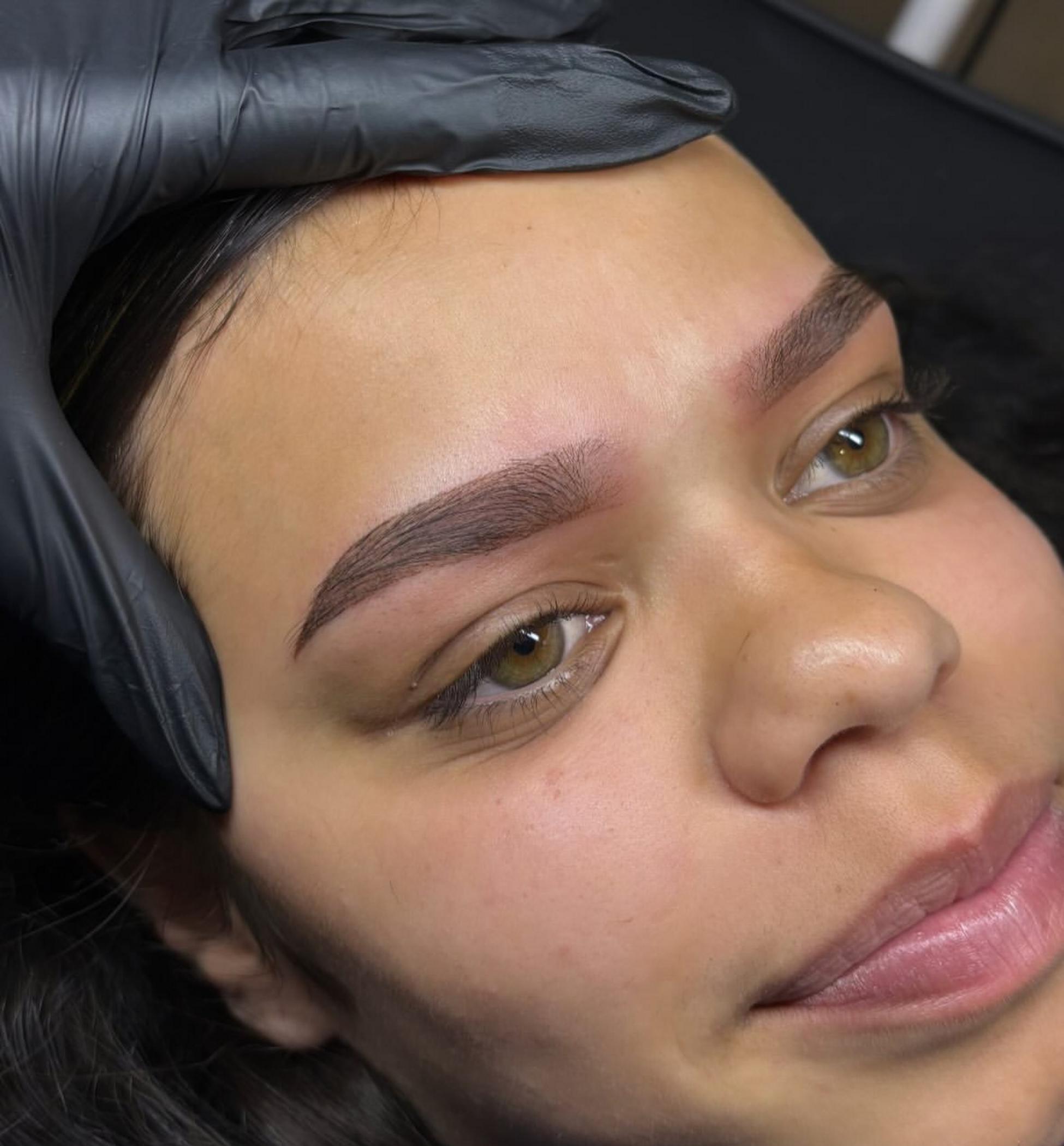
Not everyone wears their heart on their sleeve, skin-wise. I keep a close eye on those with oily skin, a history of acne, gym regulars, people who wear helmets or masks, or jobs that get them covered in dust, sweat, or humidity.
Melbourne’s weather is not exactly kind to our skin either. When it gets cool and windy, people tend to overdo it with heavy moisturiser because their skin feels tight. Then, when it warms up, that same heavy layer can feel like plastic wrap and cause more problems.
What Most People Get Wrong
The thing most people get wrong is thinking petrolatum and infection are basically the same thing. But they’re not. Petrolatum itself won’t cause an infection, but when you pair it with bacteria, friction, and the wrong kind of contamination, things can go downhill.
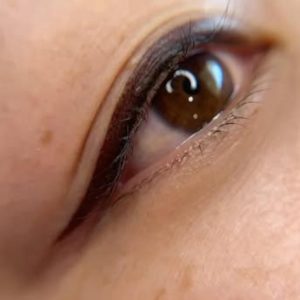
Another common mistake is just copying advice meant for body tattoos onto cosmetic tattooing or post-microneedling aftercare. Fiddling with the brows, lips (especially making eyeliner tattoo in Melbourne) and areas of the face that’ve been needled can behave really differently from a fully healed arm tattoo. And the thing is, more product isn’t always better. Cleaner and more balanced is usually the way to go.
Normal Healing Vs Folliculitis
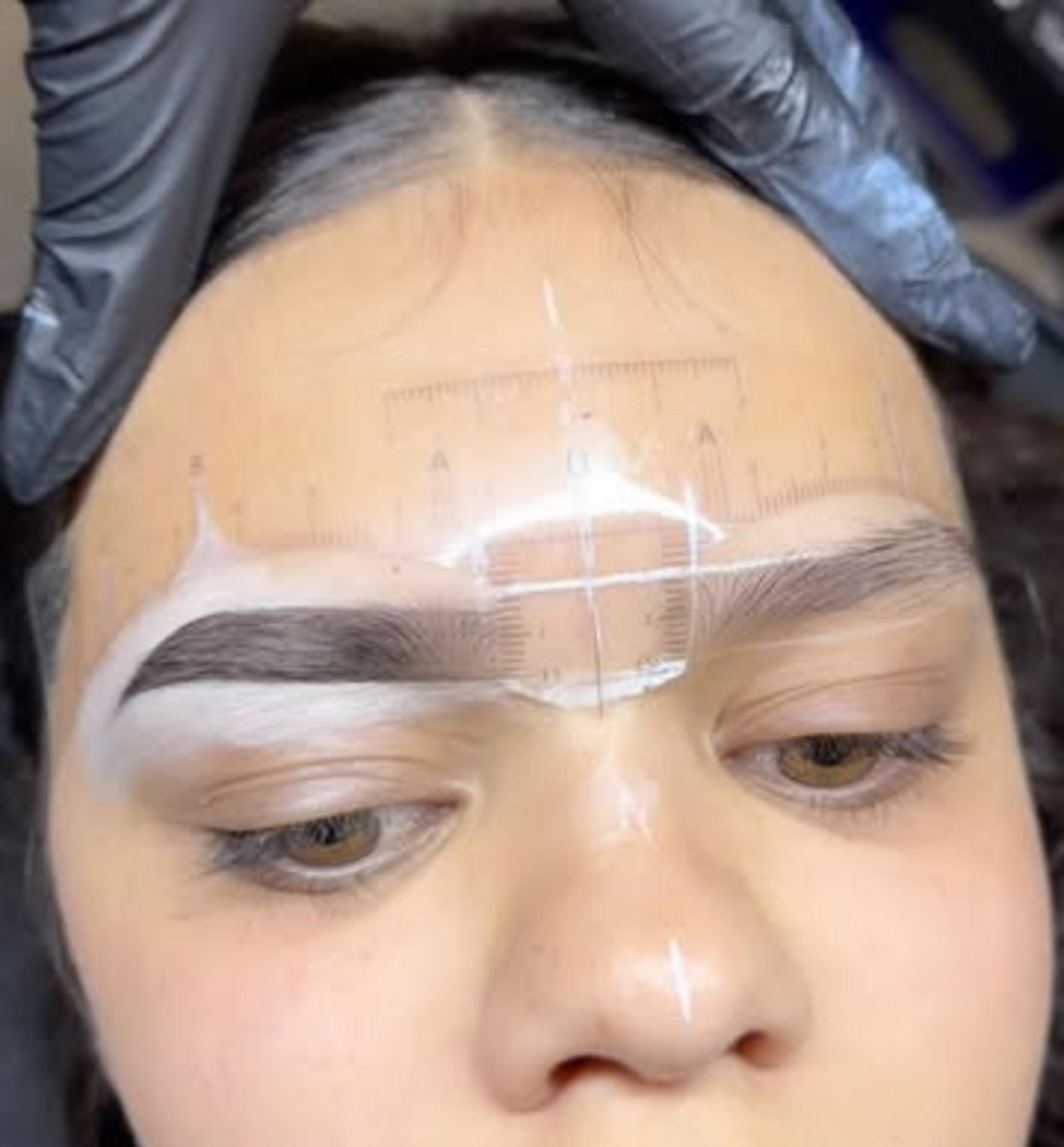
Normal healing can look a bit icky – we’re talking a bit of redness, some tightness, mild swelling and maybe some flaking. But folliculitis is a different story altogether: it’s typically small, itchy, or tender bumps centred around the follicles, often with pustules and papules, as opposed to flat, dry flakes.
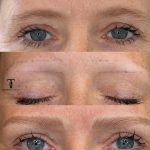
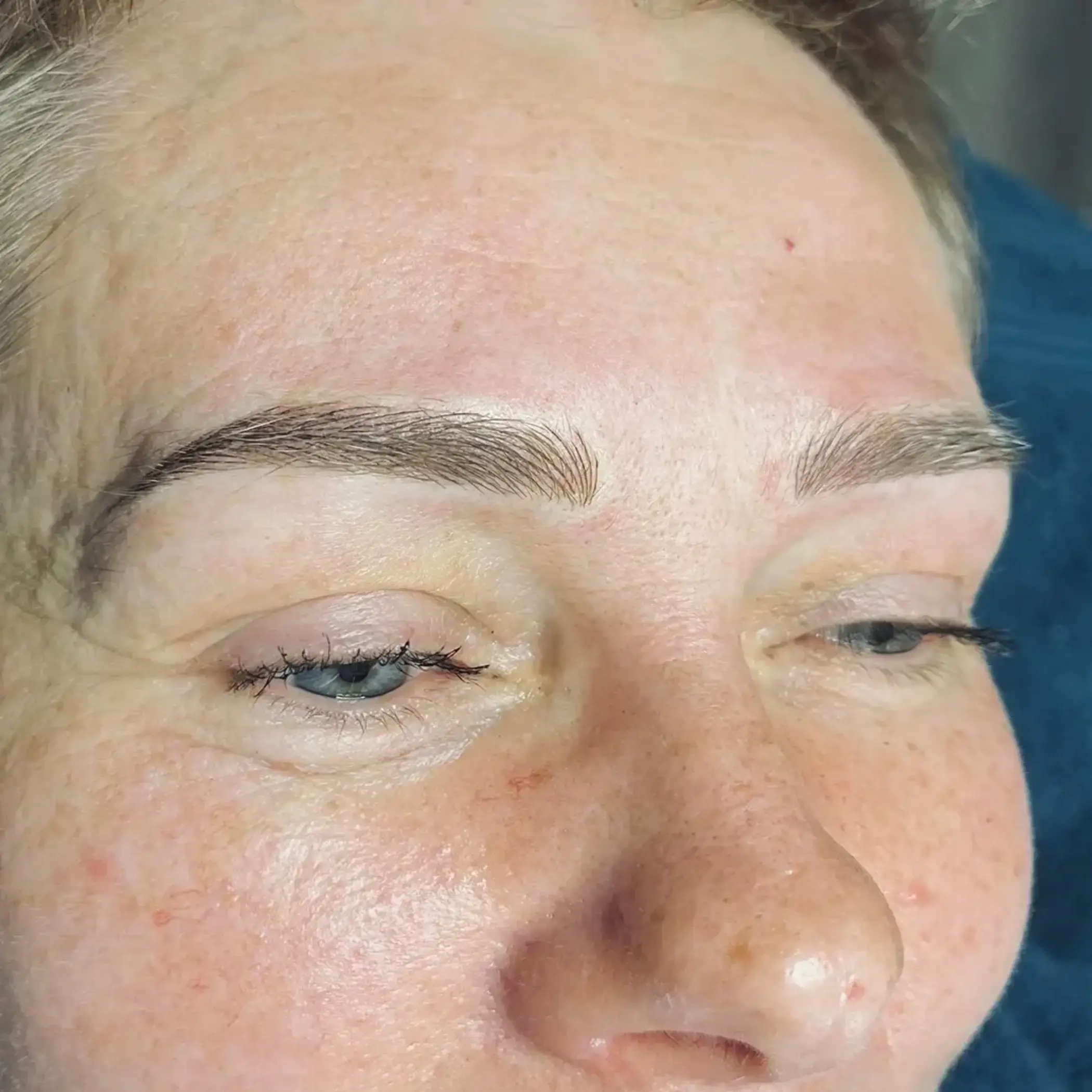
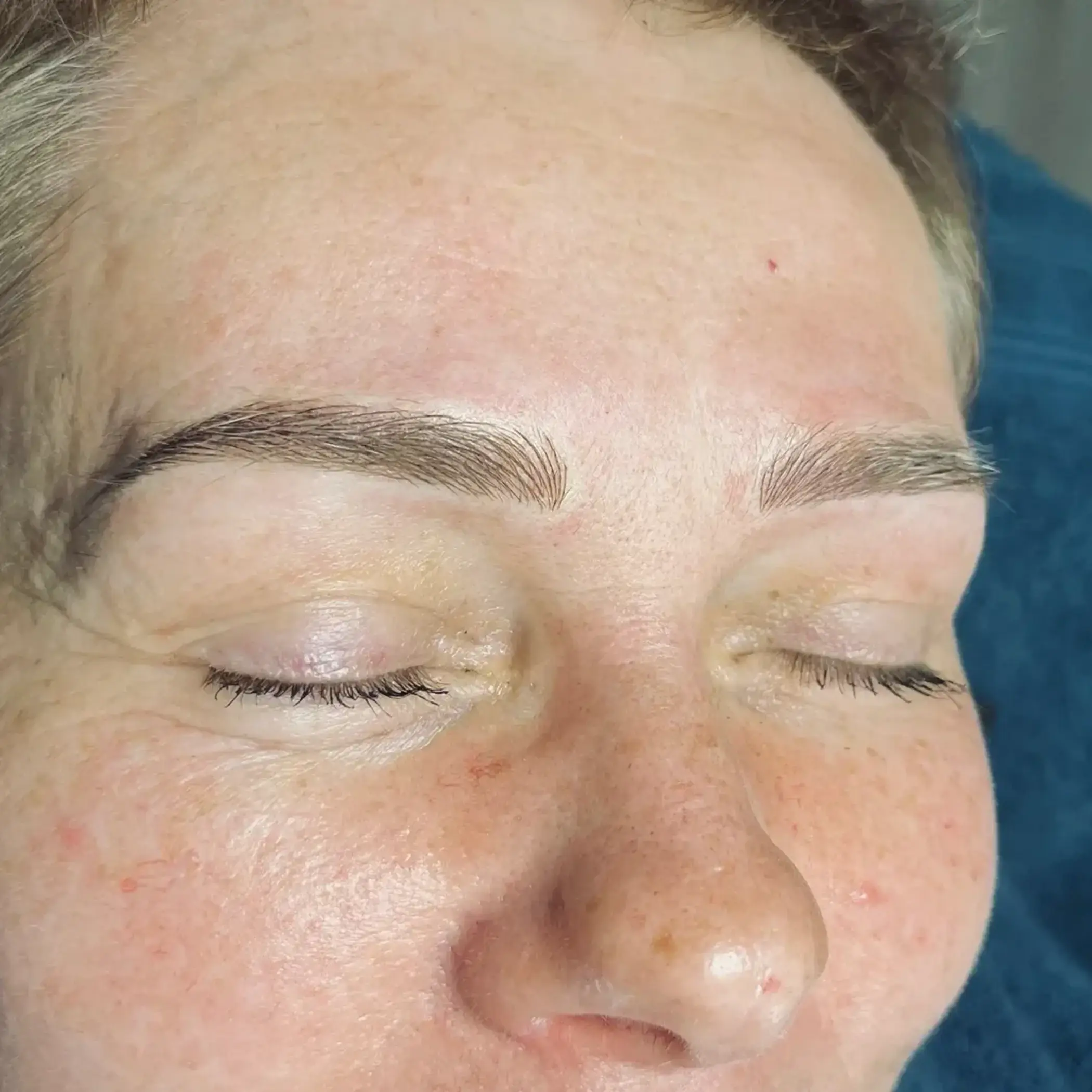
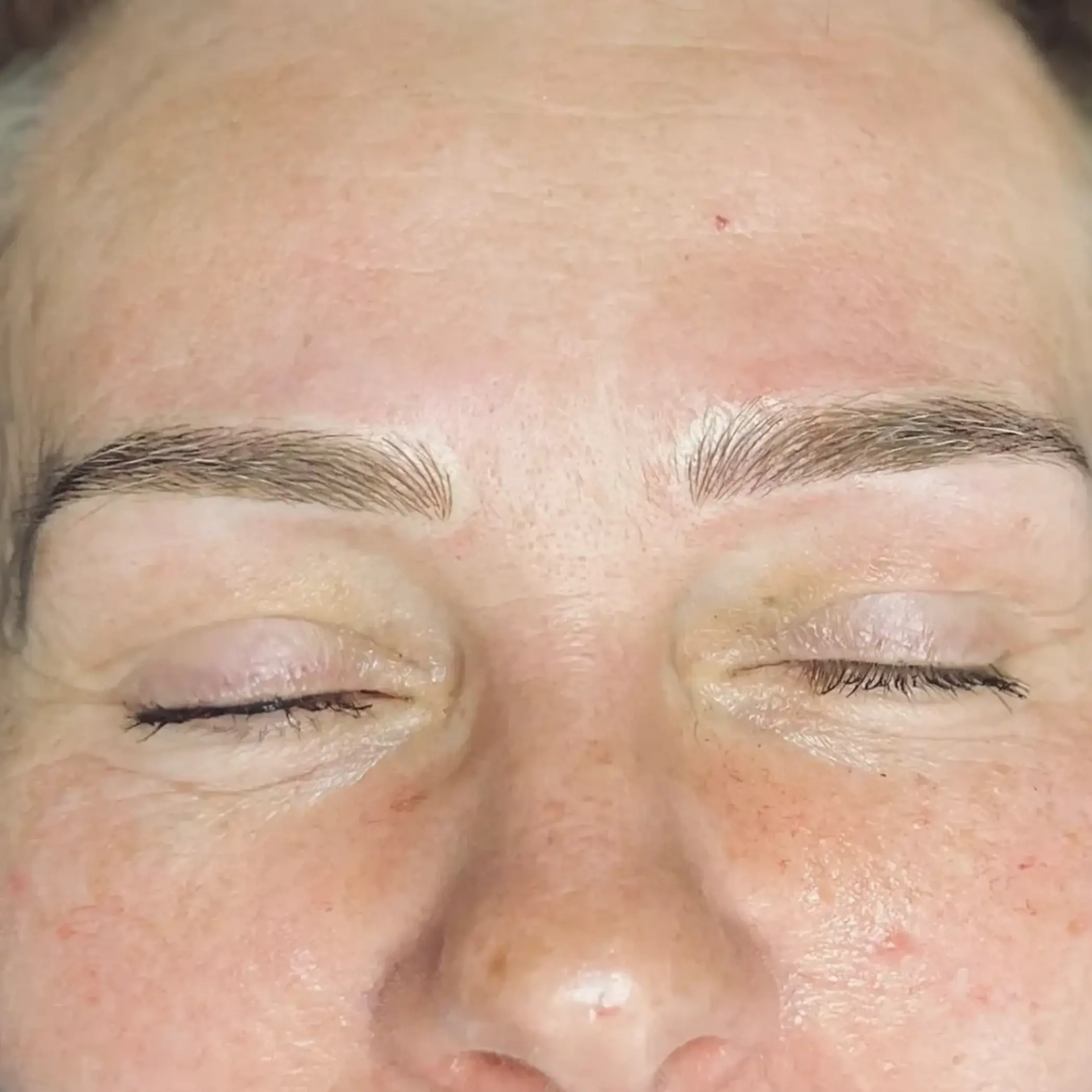
I had one client come back after a corrective brow tattoo, who’d been using a thick balm several times a day. She got tiny uniform bumps all over the brow area, and that just wasn’t normal pigment healing. We had to pause all the products, have a chat about hygiene, and get her to see her GP because you can’t just gloss over follicular inflammation.
Safer Aftercare That Actually Helps
If you’re trying to ease the skin into healing, keep things clean, thin and suitable for the treatment zone. Here at Face Figurati, we tailor our aftercare to the area we’re working on, the client’s skin type and the time of year. We don’t just hand everyone the same old balm.
If all you can manage is one session, make sure you get the aftercare right. Don’t be tempted to force colour retention with loads of ointment, no matter how tempting it may seem. Bad aftercare can lead to irritation, poor colour retention and the need for more work later. And in Melbourne, that can set you back anywhere from AUD 150 to AUD 400, depending on the complexity of the correction required.
Simple Routine For Fresh Skin
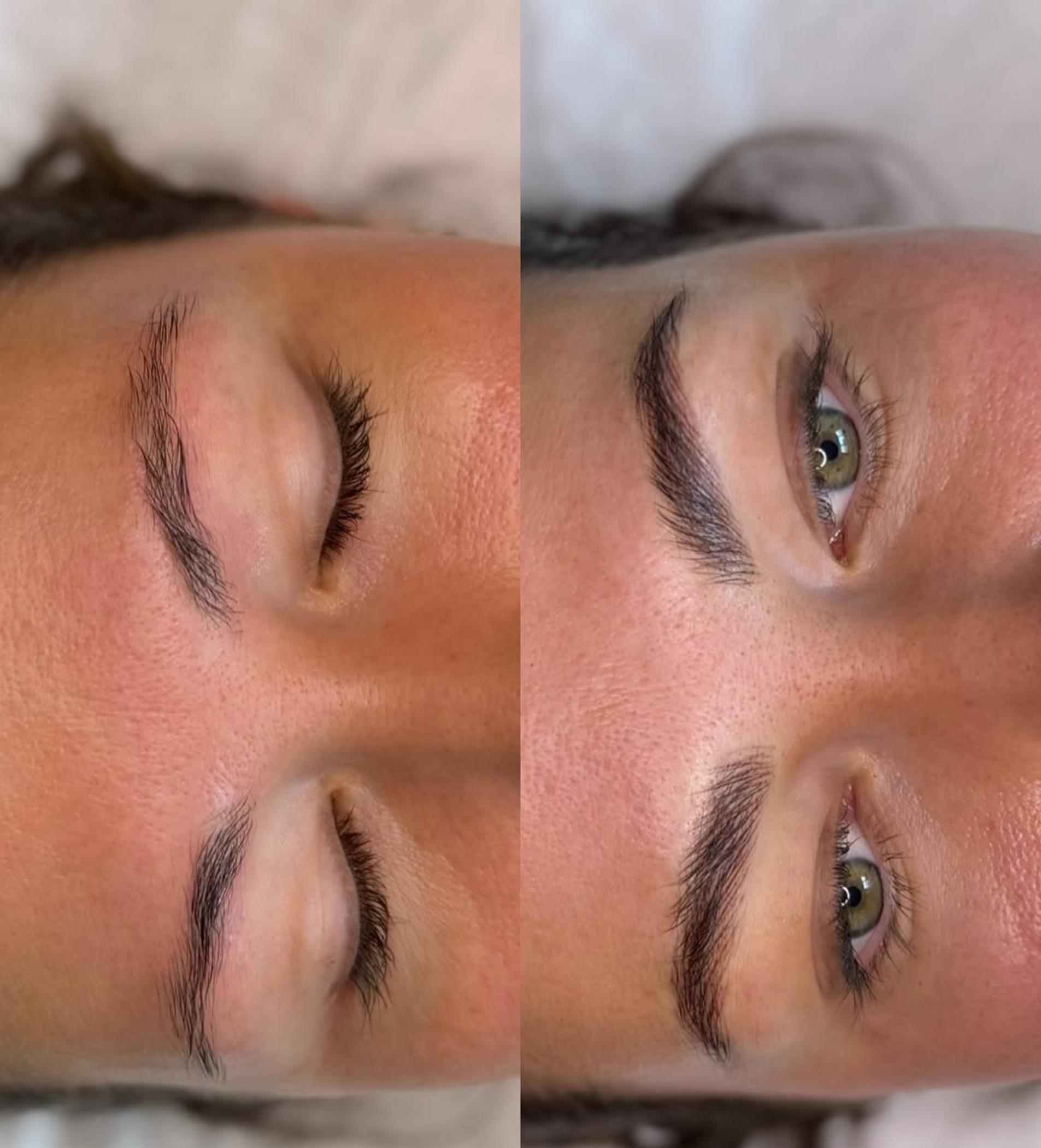
First things first, wash your hands.
Use the aftercare product recommended by your clinician or artist – don’t go messing around with whatever you find under the sink.
Apply a teeny-tiny amount – think a grain of rice – or a super thin layer, not a thick glop.
Try to stay out of the gym, sauna, dust and heavy sweating for a bit, especially if you’re in the early healing phase suggested by your treatment.
Switch up your pillowcases and towels and try to keep pets away from the treated area – cute as they are, they’re not exactly sterile.
Better Product Swaps
If you are prone to bumps, ask about a lighter, fragrance-free, non-comedogenic healing product rather than defaulting to slugging. For some clients, a lighter ointment or clinician-approved gel works better than straight petrolatum, especially on oily or follicle-dense areas.
This is also where advice for beginner versus experienced artists differs. Less-experienced providers sometimes recommend blanket petroleum jelly post-tattoo care because it seems simple. An experienced clinician adjusts the plan based on anatomy, oil flow, inflammation, allergies and whether the area is truly suited to occlusion.
When To Get Medical Help
A few bumps do not always mean a full infection, but don’t ignore worsening symptoms. If redness spreads, the area becomes hot, painful, weepy, or develops pus, it is time to stop guessing and seek proper medical advice.
Healthdirect (Australia) advises seeing a GP if you notice signs of a skin infection, especially if symptoms worsen or do not settle. In some cases, treatment may involve prescription topicals, oral antibiotics, or swabbing if the clinician suspects resistant bacteria. That is well beyond salon guesswork.
Local Clinic Standards Matter
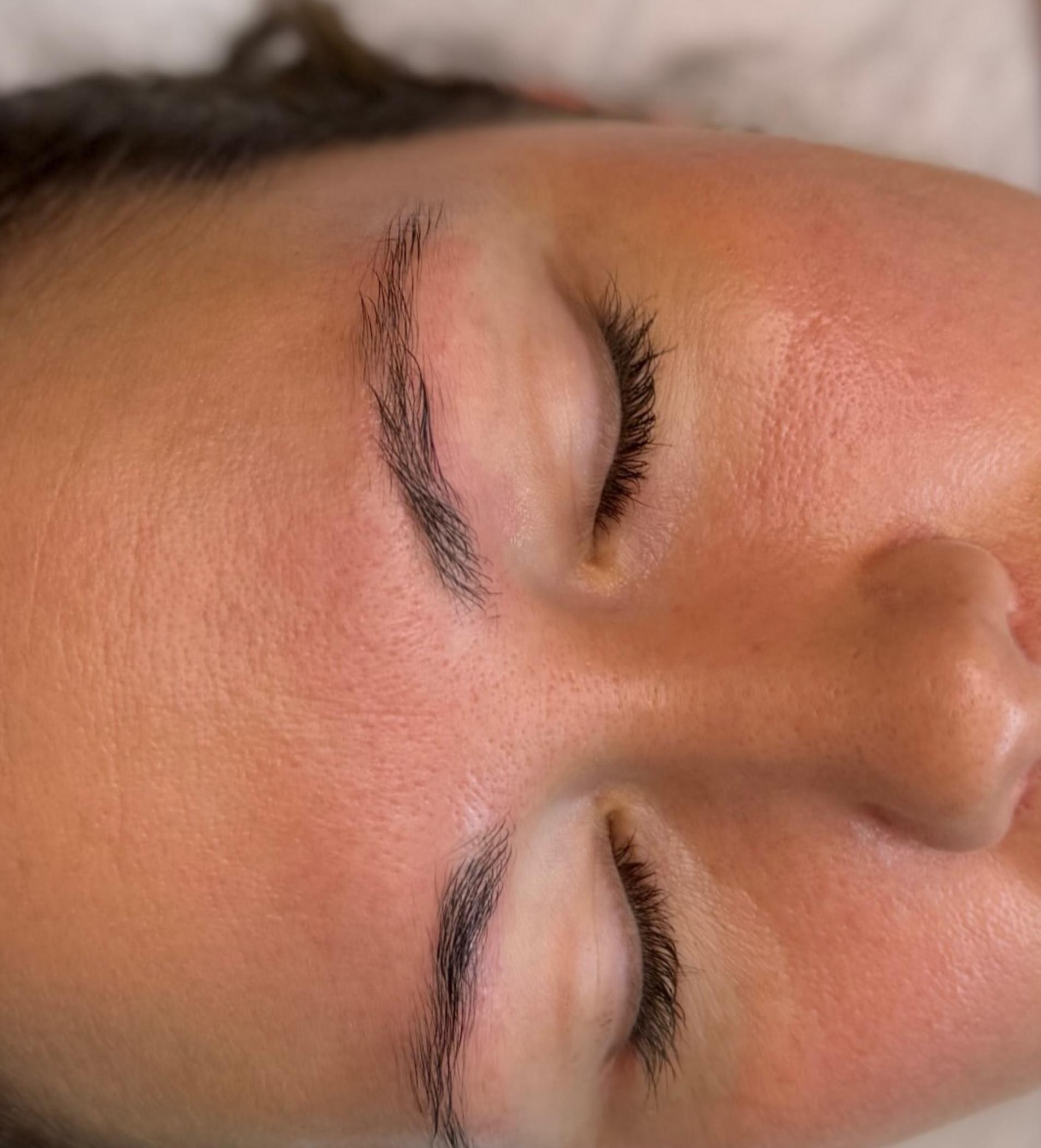
At Cosmetic Tattoo Studio Melbourne Face Figurati, we use single-use disposables where required, certified pigments and professional-grade equipment, and we give written aftercare because verbal instructions are easy to forget once you get home. Clean linen, hand hygiene and realistic aftercare are not glamorous, but they prevent a lot of drama.
Who should avoid heavy occlusives after skin trauma? Clients with active acne, a history of oil folliculitis, recurrent ingrown hairs, very oily skin, or those healing in hot, sweaty conditions should be extra cautious. If in doubt, ask before you apply.
Final Thoughts From Olha Po
So, does petroleum jelly cause folliculitis? Not automatically. But in real life, a heavy slugging routine over fresh skin trauma can absolutely raise the risk when you add sweat, friction, contamination and the wrong skin type to the mix.
If you want the safest result, keep aftercare light, clean and treatment-specific. Still not sure what your skin can handle after cosmetic tattooing or microneedling? Contact Face Figurati — I’m happy to walk you through it properly.
Summary
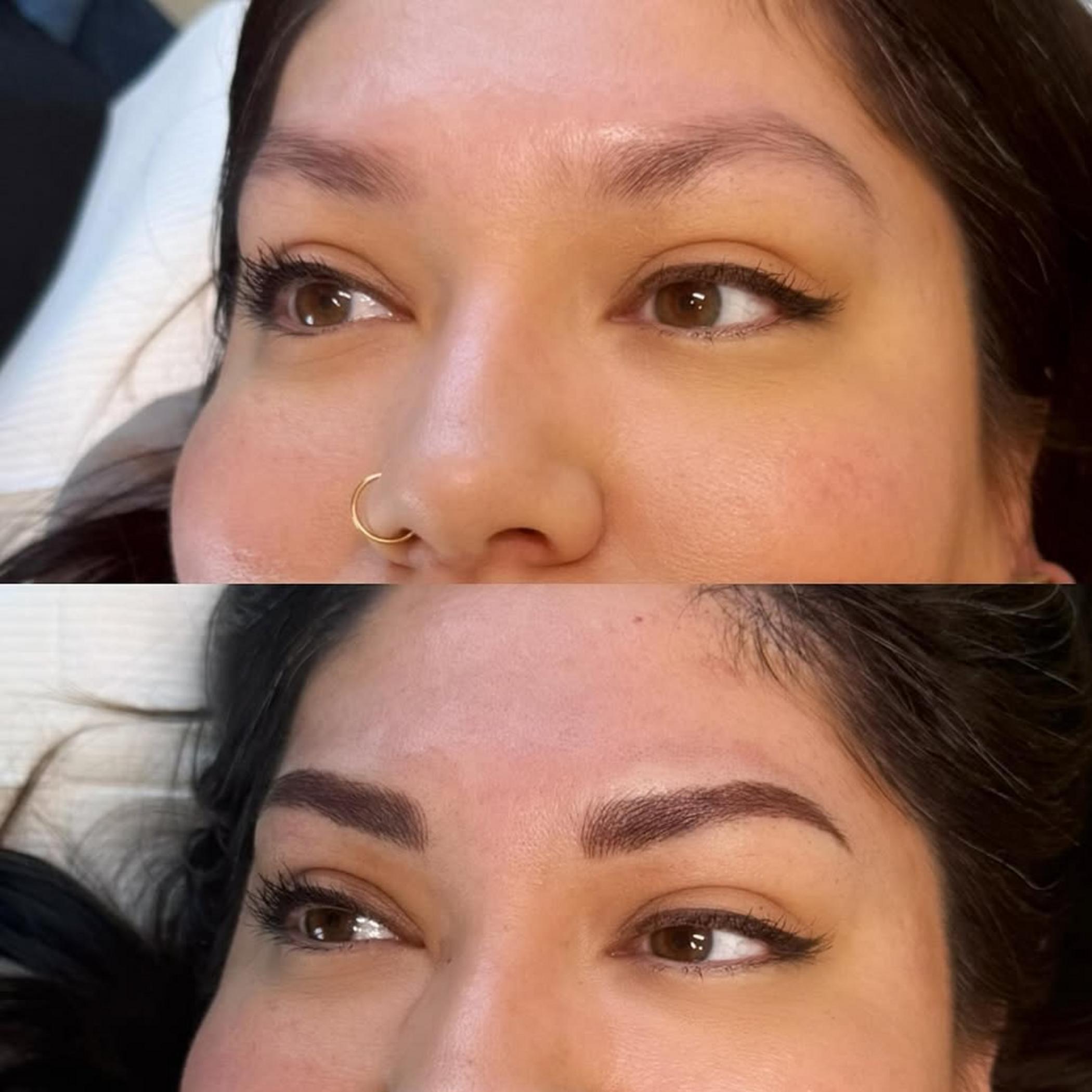
Heavy petrolatum or balm aftercare does not directly cause folliculitis every time, but it can increase the risk on fresh micro-trauma sites, especially when hygiene, heat and occlusion are poor. The safest approach is a thin, clinician-guided routine tailored to your skin and treatment.
FAQ
Is petroleum jelly carcinogenic?
Highly refined cosmetic-grade petroleum jelly is generally considered safe for topical use. Use reputable brands and follow product directions.
Can bacteria grow on petroleum jelly?
Bacteria do not usually grow well in petroleum jelly itself, but contaminated jars, fingers or skin can transfer bacteria onto the area.
Will Slugging With Vaseline Clog My Pores?
It can contribute to congestion for some people, especially on oily or acne-prone skin, or if applied too thickly over sweaty skin.
Can Heavy Balms Cause Folliculitis After Microneedling?
Yes, they can contribute to it in some cases by increasing occlusion, heat and follicular blockage after treatment.
How Do I Prevent Folliculitis After Cosmetic Tattooing Or Microneedling?
Keep the area clean, use only a thin layer of approved aftercare, avoid sweat and friction, and seek medical advice if bumps become painful or pus-filled.