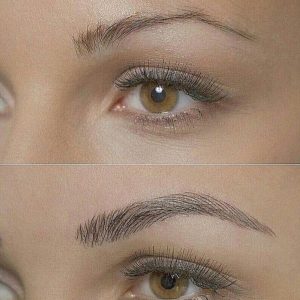



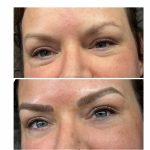


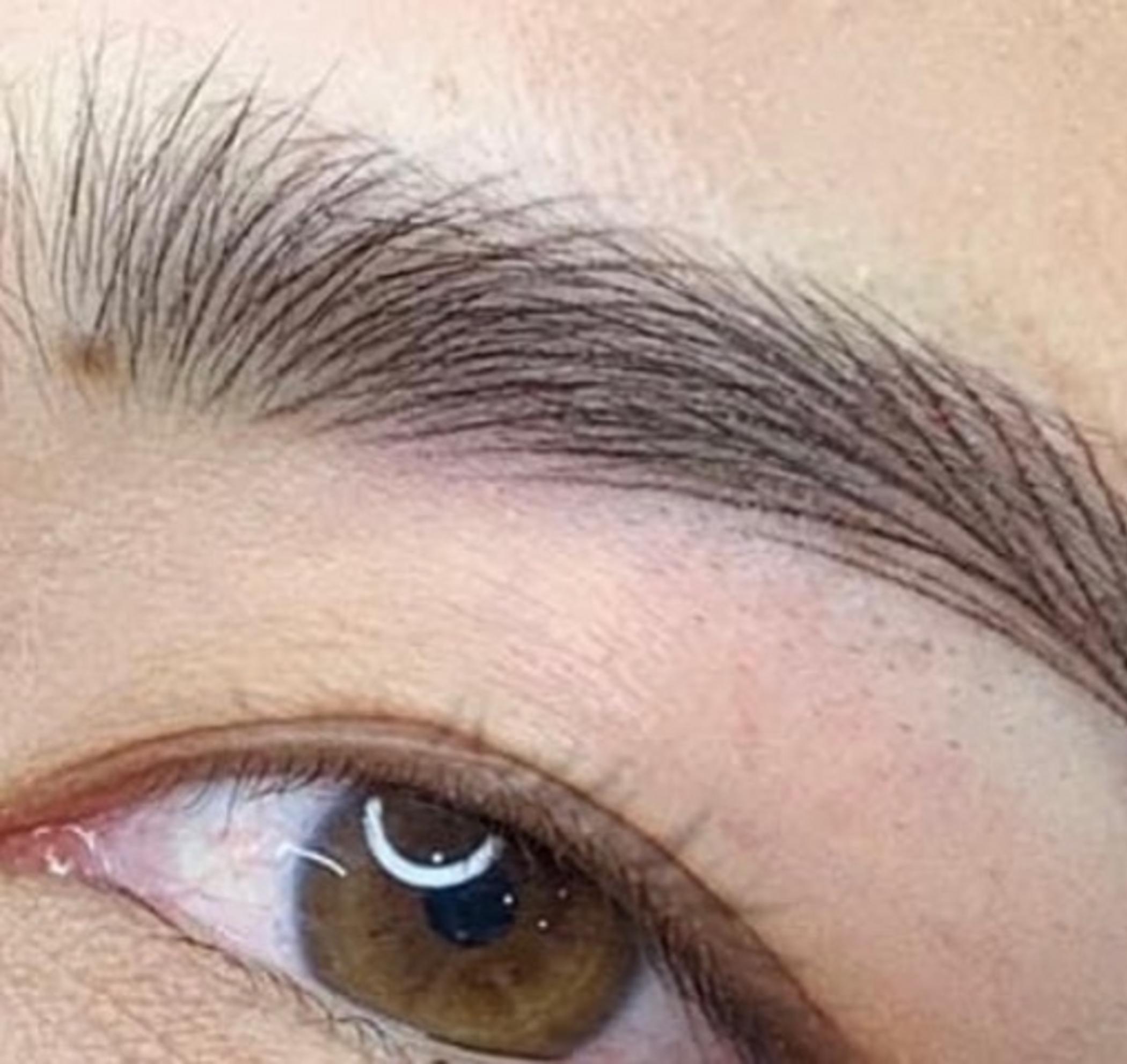
If you’ve ever wondered, “How do the magnetic impurities in older pigments behave in a scan?”, well, the answer is pretty straightforward: older cosmetic tattoos and body tattoos which contain iron oxides with those nasty magnetic impurities – Magnetite (Fe3O4), Maghemite (γ-Fe2O3), or just a few stray metals – can cause all sorts of trouble with a modern MRI scan. They can make the image all wonky, and in some cases, this can lead to local warming, a bit of tingling, or some discomfort. The thing is, though, it’s not like your tattoo’s just going to get ‘ripped out’ by the magnet – that’s just a bunch of movie nonsense. Magnetic susceptibility and RF heating can cause all sorts of artefacts, or even just irritate the skin a bit.
I’m Olha Po, founder of Cosmetic Tattoo Studio Melbourne Face Figurati, and this is way more common than you’d think – especially when it comes to older iron oxide tattoo issues around brows, eyeliner, lip work, and those gnarly body tattoos that were done a while ago. The good news is that serious injury is super rare, but the permanent makeup MRI risk does exist – so it’s worth understanding before you even book a scan or a treatment.
Why This Matters Before A Scan
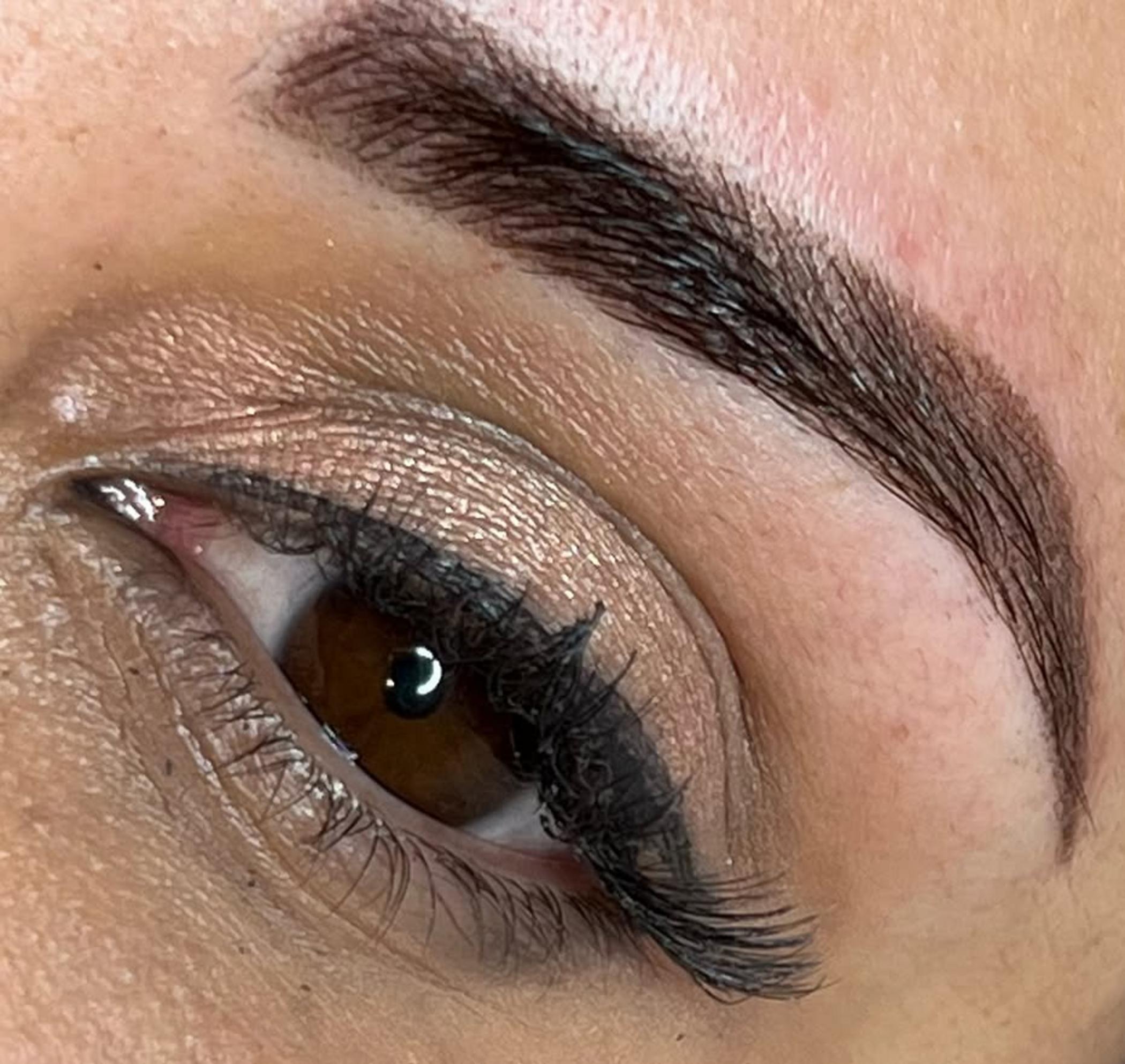
If you’ve got a cosmetic tattoo from years back, especially one done before they really started to get on top of those pigment controls and better manufacturing, then you’re probably right to ask a few questions. I’d rather a client warns the imaging clinic beforehand than sits there in the scanner going ‘Oh no, is my old brow tattoo going to cause some drama?’
In Melbourne, we get to see a mix of newer, certified pigments alongside a whole lot of older work done overseas, or by some unregulated outfits. And if you’ve got one of those old ones, then the old iron oxide pigments can be a bit of a risk, because the impurities and particle composition just weren’t very predictable.
Older Pigments Were Less Consistent
The thing is, not all iron oxides behave the same way. Hematite‘s generally less reactive than Magnetite or Maghemite, but older formulas might have a load of mixed phases, ferromagnetic pigments, and paramagnetic particles, just to name a few. And then there are the heavy metals that might have been picked up because of contamination in the raw materials. You can get all that sorted out in a lab with ICP-MS analysis and Mössbauer spectroscopy, but the thing is, most people aren’t going to have a pigment data sheet for their brow tattooing from 12 years ago just lying around.
Where the trap really comes in is this: a tattoo can look all settled and harmless on the skin, but still cause chaos inside the MRI scanner. That’s because the scanner doesn’t give a hoot about whether your eyeliner still looks sharp on a Tuesday; it’s just reacting to the magnetic properties.
What The MRI Actually Reacts To
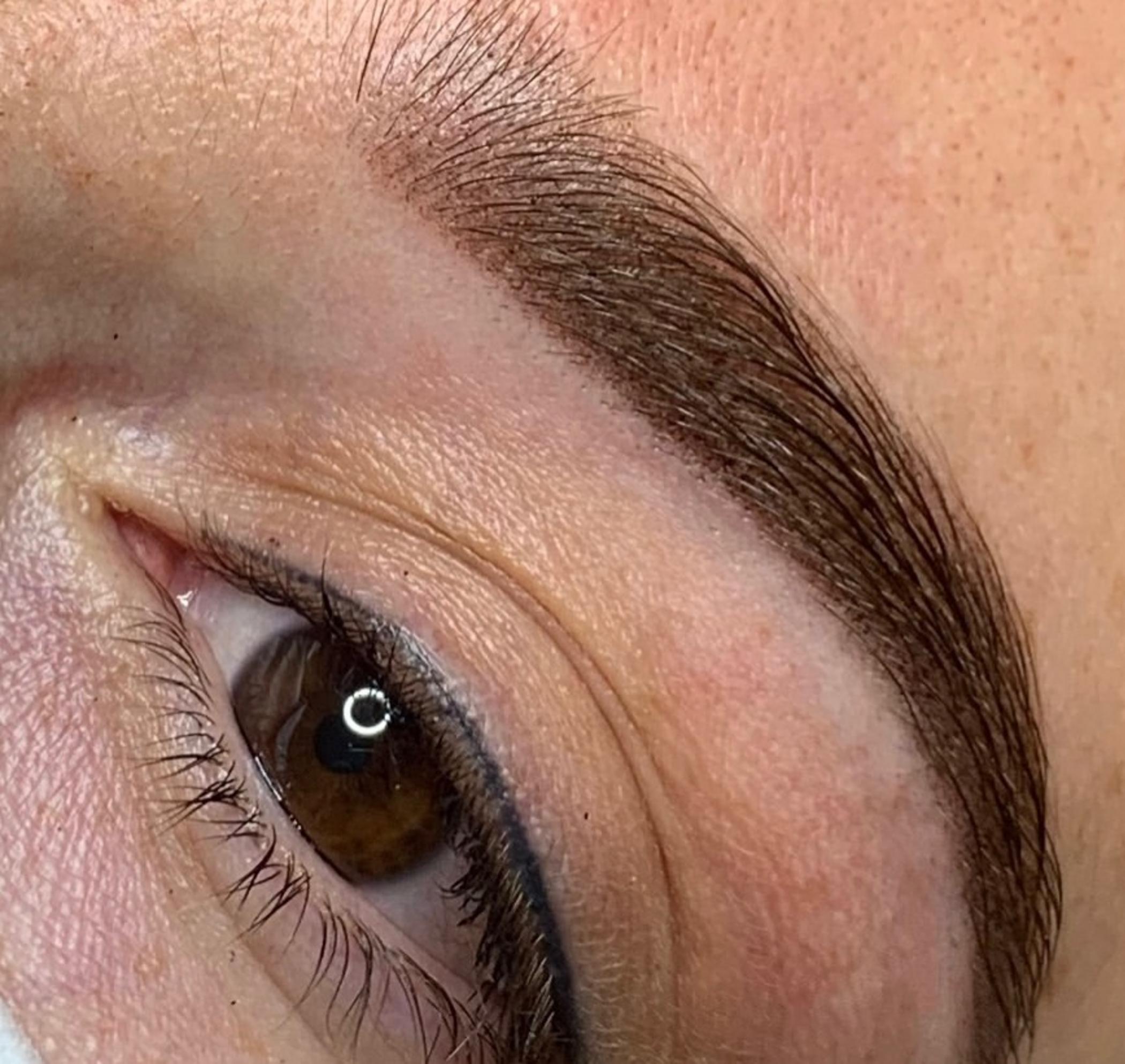
Lets get down to earth and forget all about the scary stuff for now. So just what does an MRI react to?. Well, its a combination of a super strong magnetic field, a set of gradient fields, and some radiofrequency energy. The reaction then is all down to how the pigment particles in the ink interact with magnetisation and how much they mess up the signals coming from the nearby tissue.
For people with cosmetic tattooing, two things are usually top of mind: image quality and the sensation on the skin. In plain terms: the scan may show up some funny artifacts because of the iron oxide in the ink, and the tattooed area might feel warm or even a bit prickly, especially if the ink is made up of some pretty reactive stuff.
Susceptibility Changes The Signal
Magnetic susceptibility – that’s your big issue here. If the pigment in the tattoo contains any magnetite MRI-friendly material or Maghemite, which interacts a bit with the scan, its going to start messing up the local magnetic field. And that can all cause a load of different problems when it comes to the image – like dephasing, a signal void, some serious distortion and that classic blooming artifact, especially on T2*-weighted sequences.
Its especially a problem when you have the tattoo in a spot that gets scanned. Where an old iron oxide eyeliner might not be much of an issue during a knee scan, but can be much more of a worry when imaging the bits of you in your face, head or jaw.
RF Energy Can Add Warmth
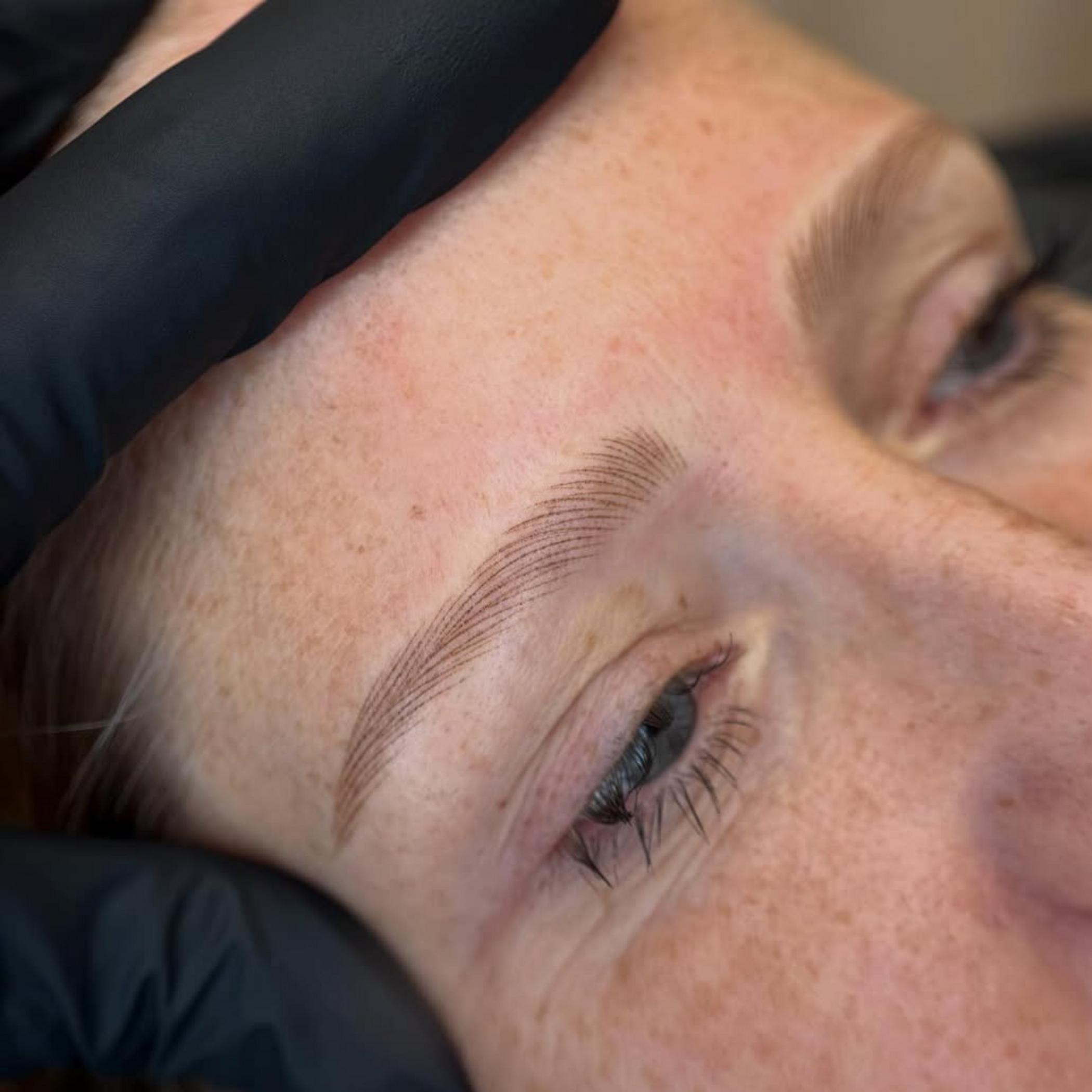
The other thing to watch out for is RF heating. Almost every time reports of it come up as a minor issue – a bit of local warmth, a tingle or a stinging sensation rather than the full works. Very rarely, though, some people do get a burn from it, but those are few and far between.
So at Face Figurati, when people come to me and ask if your modern tattoo is going to make it so you can’t get an MRI, I try not to overreact – most of the time its just about talking clearly, doing some risk assessment, and making sure we plan the scan right.
How Artefacts Show Up On Images
This is where the radiologists start getting grumpy, and the clients get a bit confused. Sometimes its not that you aren’t safe, but more that the scan just isn’t that good, because the iron oxide in the ink can make it hard to see the surrounding anatomy.
If it is tiny fine line tattoo and far enough away from the area being scanned, you might not notice a thing. But if its dense, dark, and right on top of where they are scanning, its going to make a much bigger mess.
Common Imaging Effects
Magnetic susceptibility artifacts usually appear as a large, fat signal void or a blooming artefact that ends up larger than the tattoo itself. On T2-weighted and especially T2*-weighted imaging, you really notice it because it exaggerates all the disruption and makes it harder to get any decent images.
That’s one reason why where the tattoo is matters so much. A small old brow tattoo might cause a local artefact near the front of your head, but a larger tattoo on your spine might cause much more problems with the spinal imaging.
How Real Is the Safety Risk
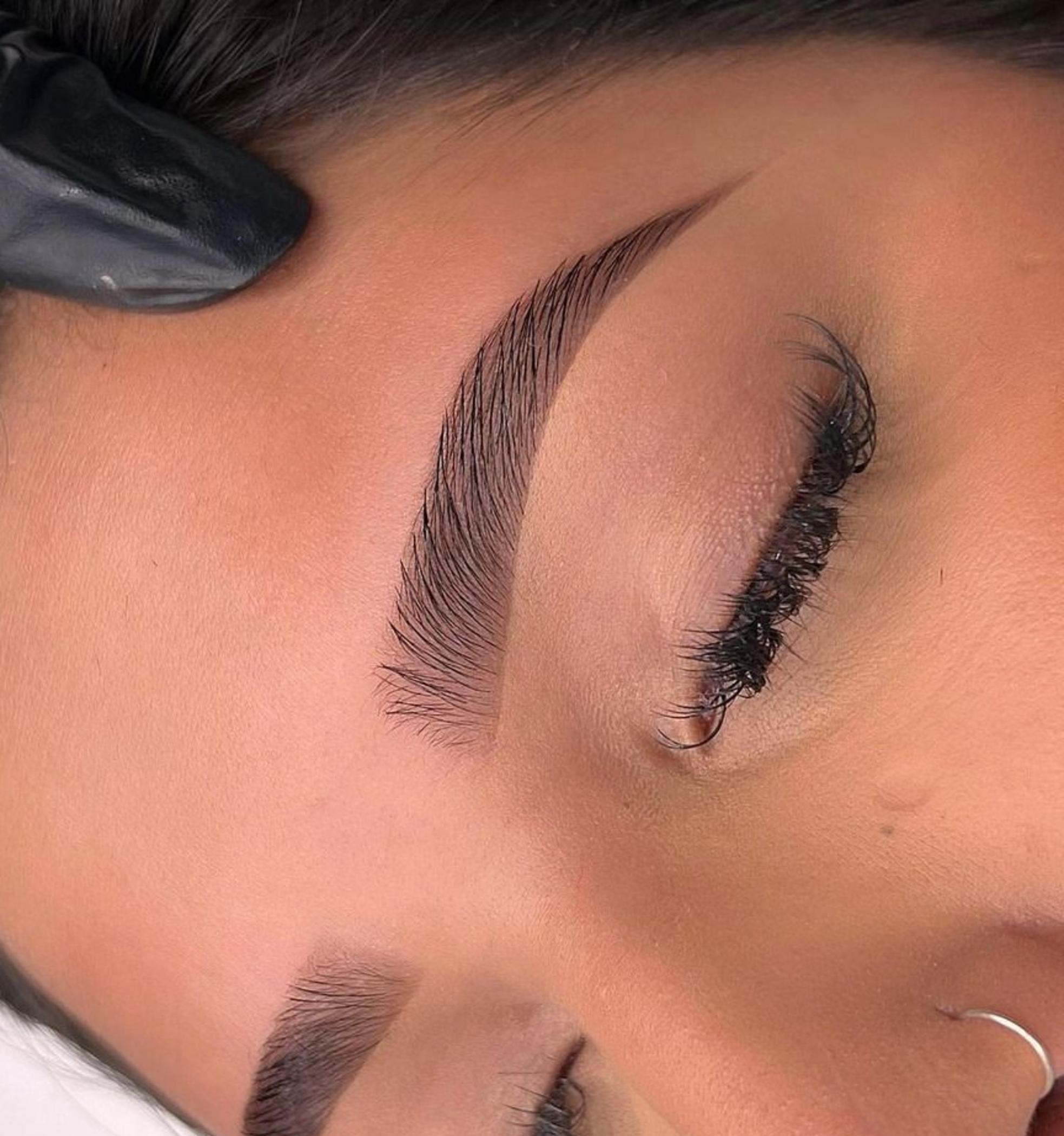
Here’s the straight talk I give my clients: tattooed skin can react to MRI scans, but the chances of serious harm are super low. Most of the problems I’ve come across have been a bit of warmth, burning or tingling, that sort of thing, which usually stops when the scan is paused.
Now I know what you’re thinking – “rare” doesn’t mean “nothing to worry about”, so if you’ve got older permanent makeup – especially around your eyes, lips or brows – let me know before the scan starts.
What Increases The Risk
The risk of permanent makeup reacting to an MRI scan goes up if your tattoo’s older, you don’t know what kind of ink was used, it’s a high concentration, bigger than average and in a spot that’s right near the imaging area. The strength of the MRI field and the type of sequence they use also play a part. Some artefacts and sensations can be worse at higher field strengths, and sequences that are sensitive to disturbances can be more problematic, too.
Problem is a lot of people just assume that what you see is what you get when it comes to colour. Black, brown, red, and flesh-toned inks can vary widely depending on the exact chemistry used. So, looking at your tattoo in the mirror doesn’t give you a clue about how it’s going to react to an MRI.
What To Tell The Imaging Clinic
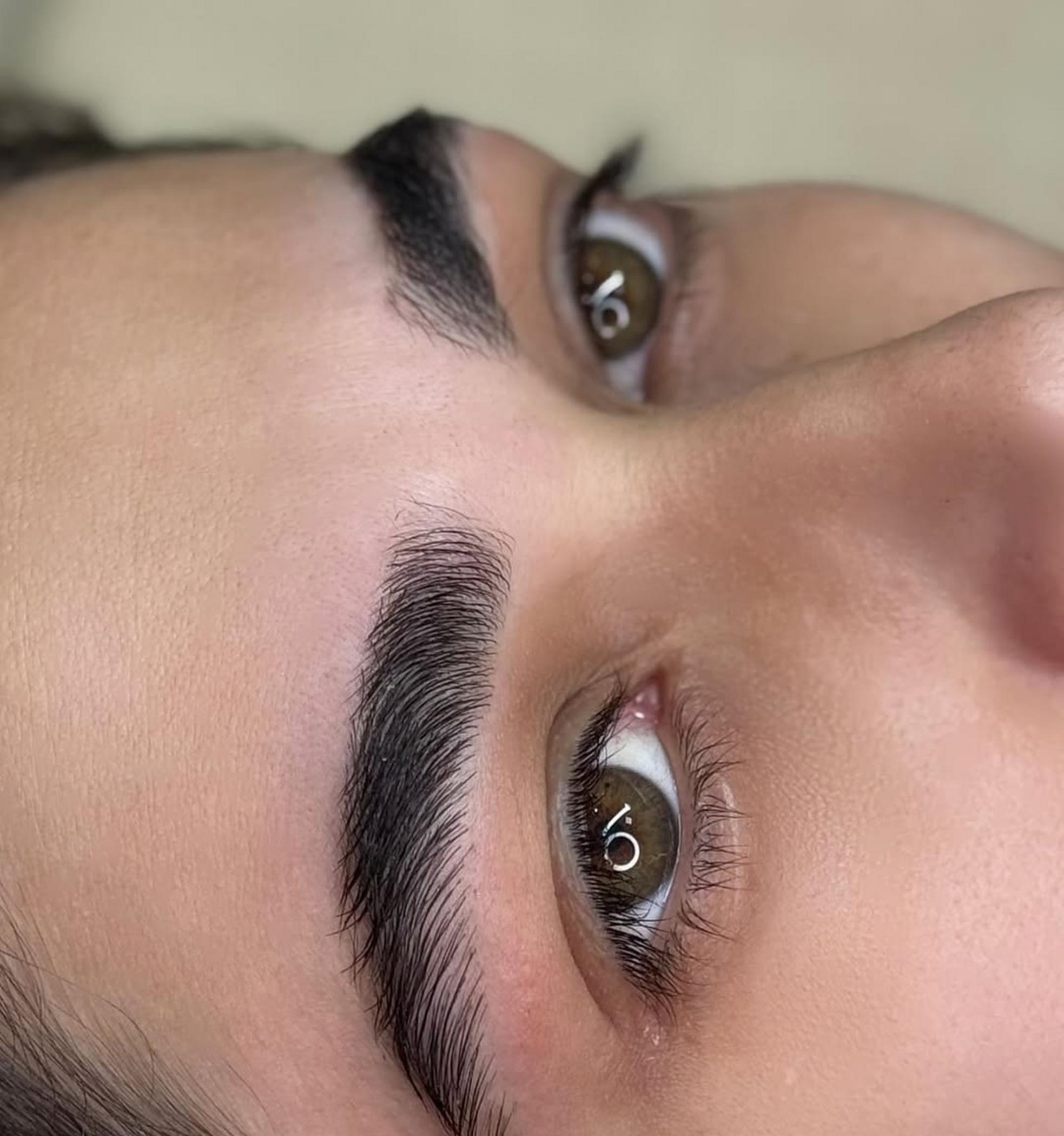
Now this is the bit that really matters – what you tell the clinic before your scan. If you’ve got cosmetic tattooing, body art, scalp micropigmentation, or an old correction job, let them know and mention when it was done.
Here at our Melbourne studio, I also tell clients to mention whether the work is older, was done overseas, or used unknown pigments. That one extra sentence can help the radiologists know whether to keep a closer eye on things or tweak their technique.
Simple Steps Before The Scan
If you’re having an MRI, here’s a quick checklist to go by:
- Let the clinic know you have cosmetic tattooing or body art before the day of the scan.
- Give them the lowdown on where it is, how old it is and if the pigment is dodgy or unknown.
- Tell them about any past tingling, warmth or discomfort you’ve had during an MRI.
- Do what the radiographer tells you to do and let them know if you start to feel any funny sensations.
- Ask them if your tattoo is in the way of the area they’re scanning.
What We See In Practice
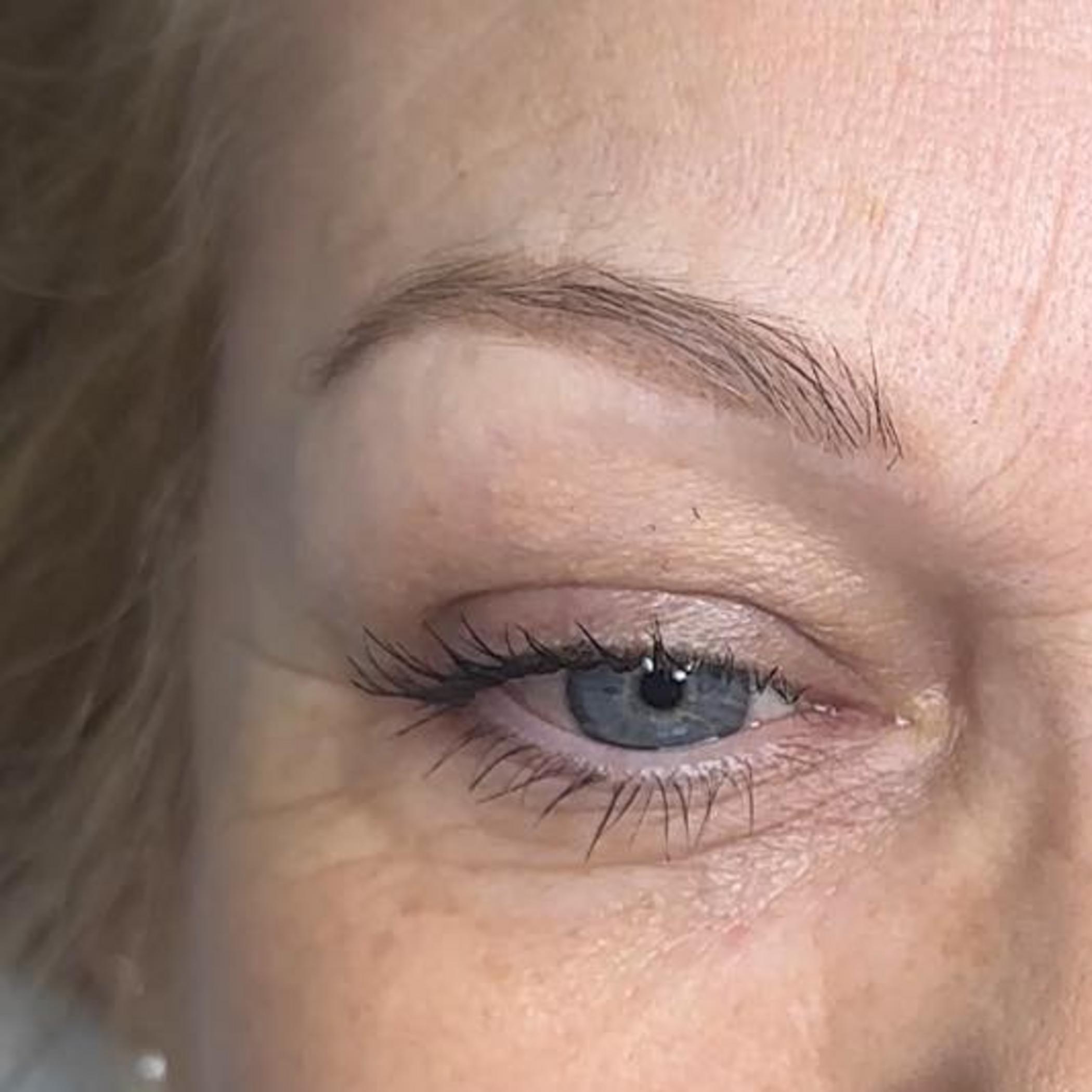
I get asked a lot if people should go ahead and get their tattoos removed or avoid getting new ones if they might need an MRI in the future. The answer is usually no. Instead, the better question is whether the studio you’re with uses reputable inks, whether they’re certified and whether they’ve told you how to disclose your tattoos in the future. That’s one reason I think it’s so important for experienced artists to document pigment use and patchy tattoo histories so thoroughly.
Also, for context, current cosmetic tattoo prices in Melbourne can range from about AUD 450 to AUD 900, depending on the area and how complicated the correction is – but good studios factor all that in when they work on your skin.
What The Evidence Shows
The technical literature says to be cautious but not go ballistic – in other words, don’t get too worked up. There are case reports and small studies describing local heating and discomfort, along with some wonky images, all linked to iron-containing pigments. On top of that, some engineers have used super-accurate equipment like ICP-MS and Mössbauer spectroscopy to identify iron phases and any microscopic nasties that might be hiding in the pigments.
The bit of research into how SPIONs interact with MRI is a bit of a sideline, really. SPIONs (superparamagnetic iron oxide nanoparticles) are engineered particles that are used in medical situations, and they can really mess with MRI contrast. But the important thing to note is that while iron-based particles can mess with the MRI signal, the same iron used in your cosmetic tattoo is a completely different story. So while its true that iron-based particles can cause issues, the ones in your tattoos are more likely to cause image distortions and a bit of skin discomfort rather than a real accident.
Final Word From The Studio
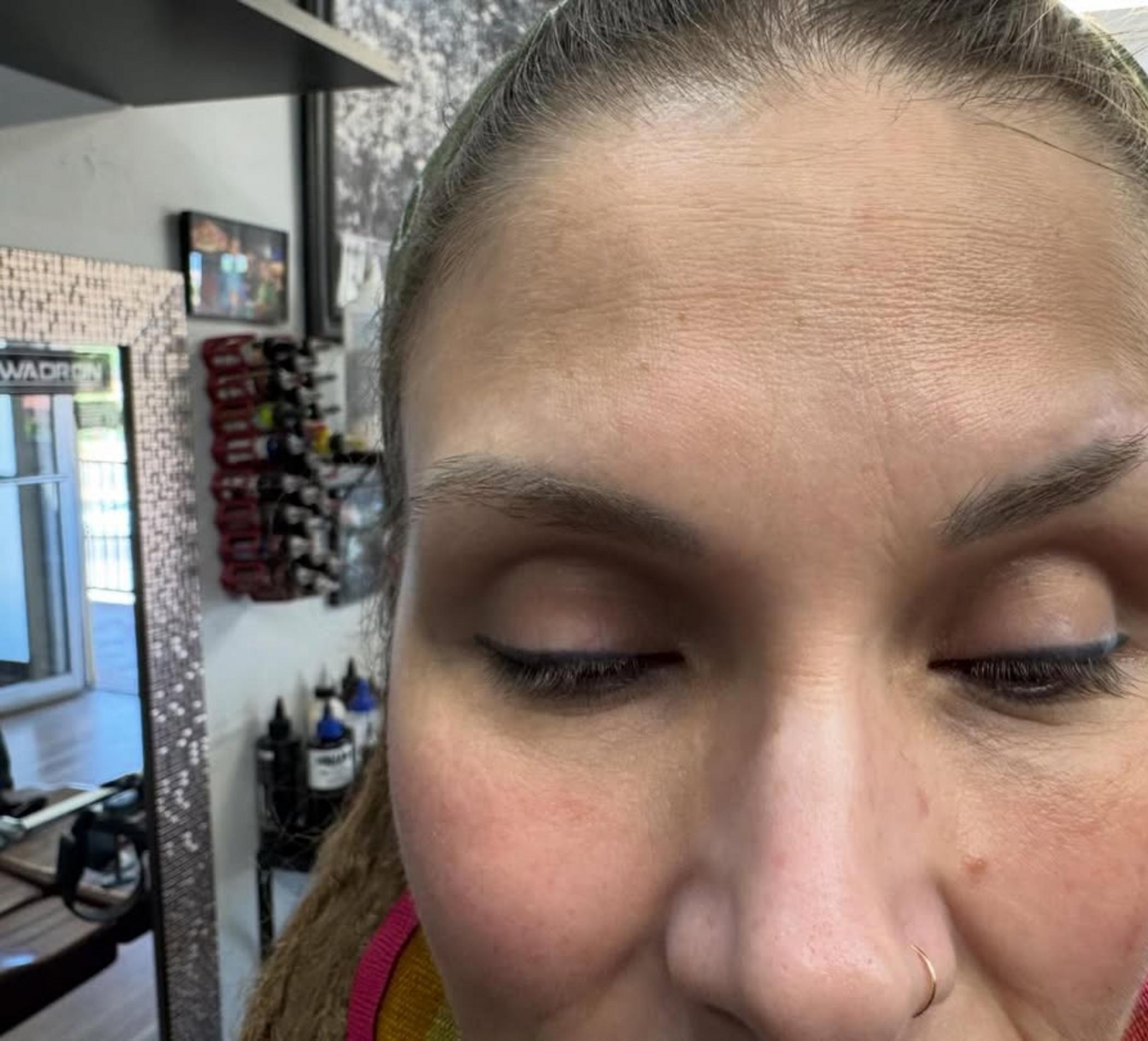
If there’s one thing you remember, take this: iron oxide tattoo MRI worries are usually just about your scan coming out looking a bit weird, or maybe you get a little odd sensation on your skin – the kind of thing that’s more of a nuisance than a major catastrophe. Honesty is the best policy when it comes to disclosing any old tattoos to the MRI guys, especially if you had a tattoo near where they’re going to be scanning.
I’m Olha Po, one of the team at Cosmetic Tattoo Studio Melbourne Face Figurati, and at the end of the day, we’d rather give it to you straight than sugarcoat things. We know that if you had a tattoo years ago and you’re not sure what to do now, its always worth asking us. Ring a number, we get back to you and talk it through.
FAQ
Can an MRI mess with my cosmetic tattoo?
To be honest, usually no, its more about image distortion or a bit of a funny sensation on your skin rather than something going horribly wrong.
Iron oxide eyeliner: sudden, drastic burning sensation
Rare as hen’s teeth, yes, it has happened. Some people have had skin reactions that are pretty painful, but its usually not serious and will pass as soon as you stop the scan.
What happens if you get an MRI with a bit of metal in you?
The big worry is that if you bring in some loose metal you haven’t told anyone about and get scanned. There are risks associated with that kind of thing.
How does your body get rid of any gadolinium they put in you?
Mostly, it gets flushed out of your system by your kidneys into your urine, but you should probably check with your doctor if you’re worried about your kidneys.
Can I drink water before getting an MRI?
its not always a rule that you can’t have a drink; it depends on the type of scan you’re getting, whether you’re getting sedated or if the clinic has given you any special instructions.
Who made the thing that creates the magnetic field in an MRI machine?
These machines have a super-powerful superconducting magnet at their heart, which creates the magnetic field that enables them to produce all those wonderful pictures.