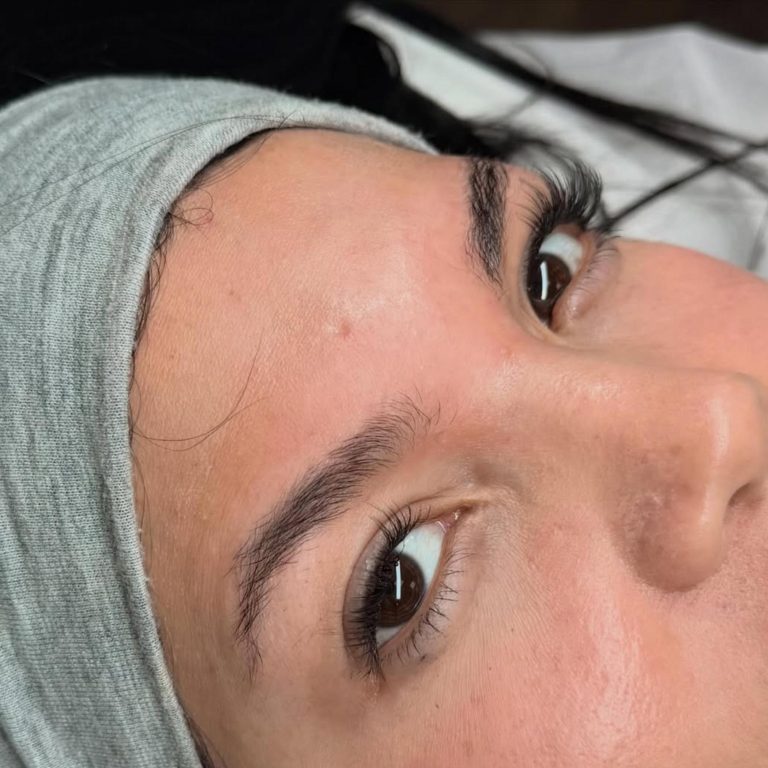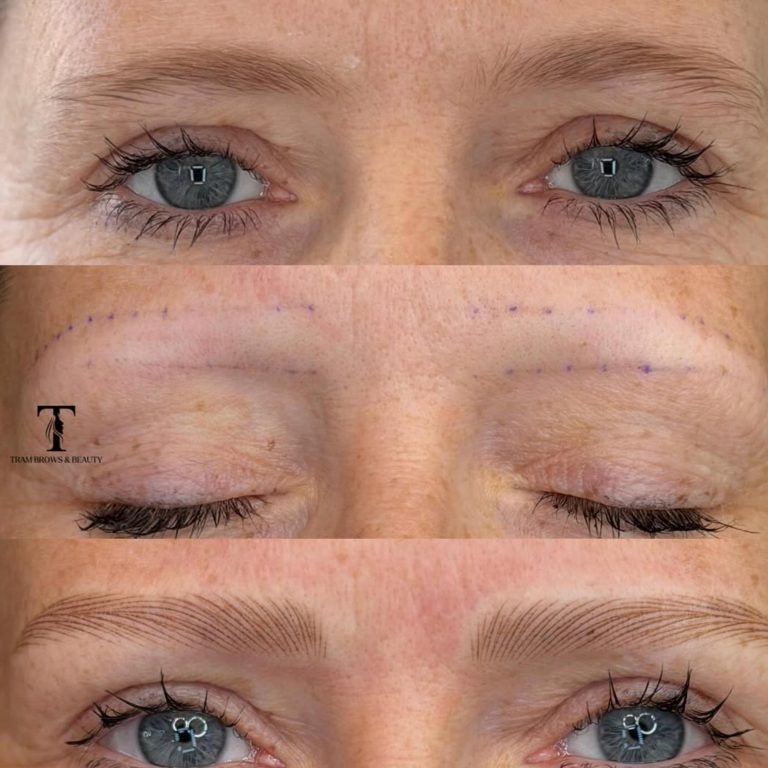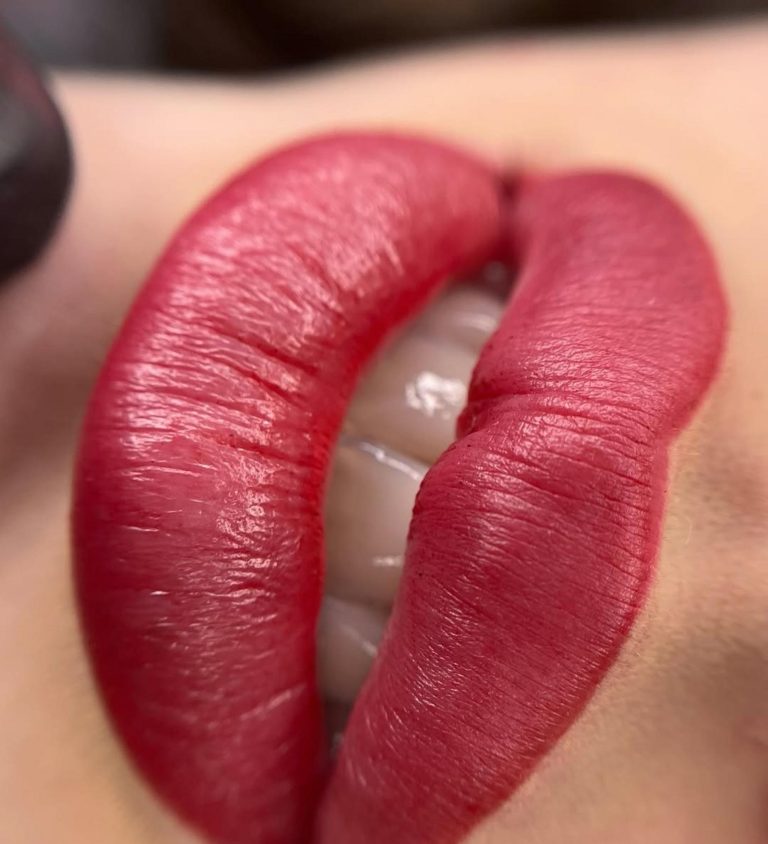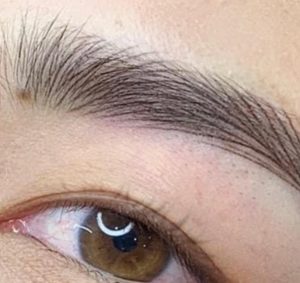
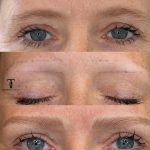


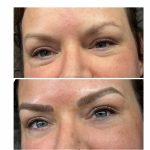

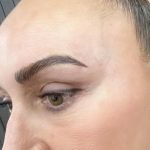

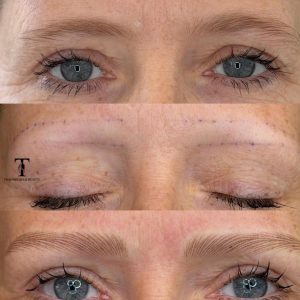
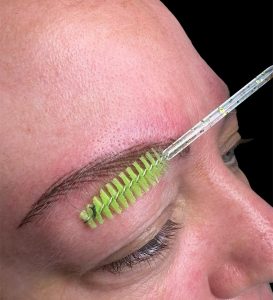
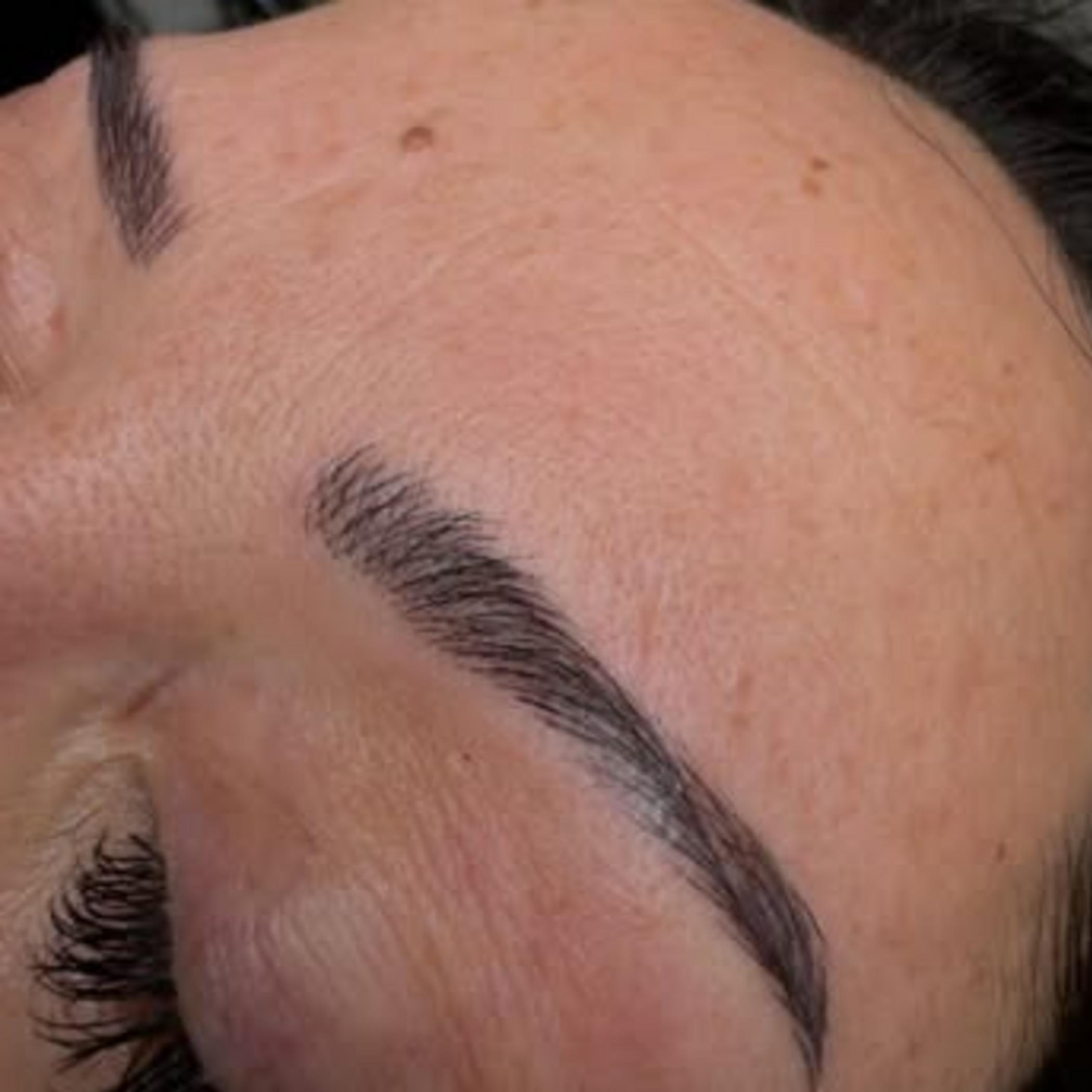
If you’ve searched carbon-based vs titanium dioxide pigments nano-blading, here’s the lowdown: the difference between the two lies in their basic structure. Carbon-based pigments generally consist of tiny particles with high colour strength and low opacity, whereas inorganic titanium dioxide (TiO2) pigments are made up of crystalline mineral particles that offer much higher opacity, more intense light scattering, and behave in a totally different way on the skin. In nano-blading or nano-stamping, that makes a real difference to how sharp the line is, how visible the colour is, how well the skin heals, how well it covers up, and the risk of ending up with a pale or chalky finish if the formula isn’t spot on.
I’m Olha Po, and over at Cosmetic Tattoo Studio Melbourne Face Figurati, this is one of those technical details that actually makes all the difference when it comes to the end result. Artists tend to just look at the labels on the bottles and focus on the colour, but I’m more interested in how that pigment behaves under the needle or blade – because that’s where the magic happens, and the art either stands the test of time, or falls apart.
Why Structure Matters First
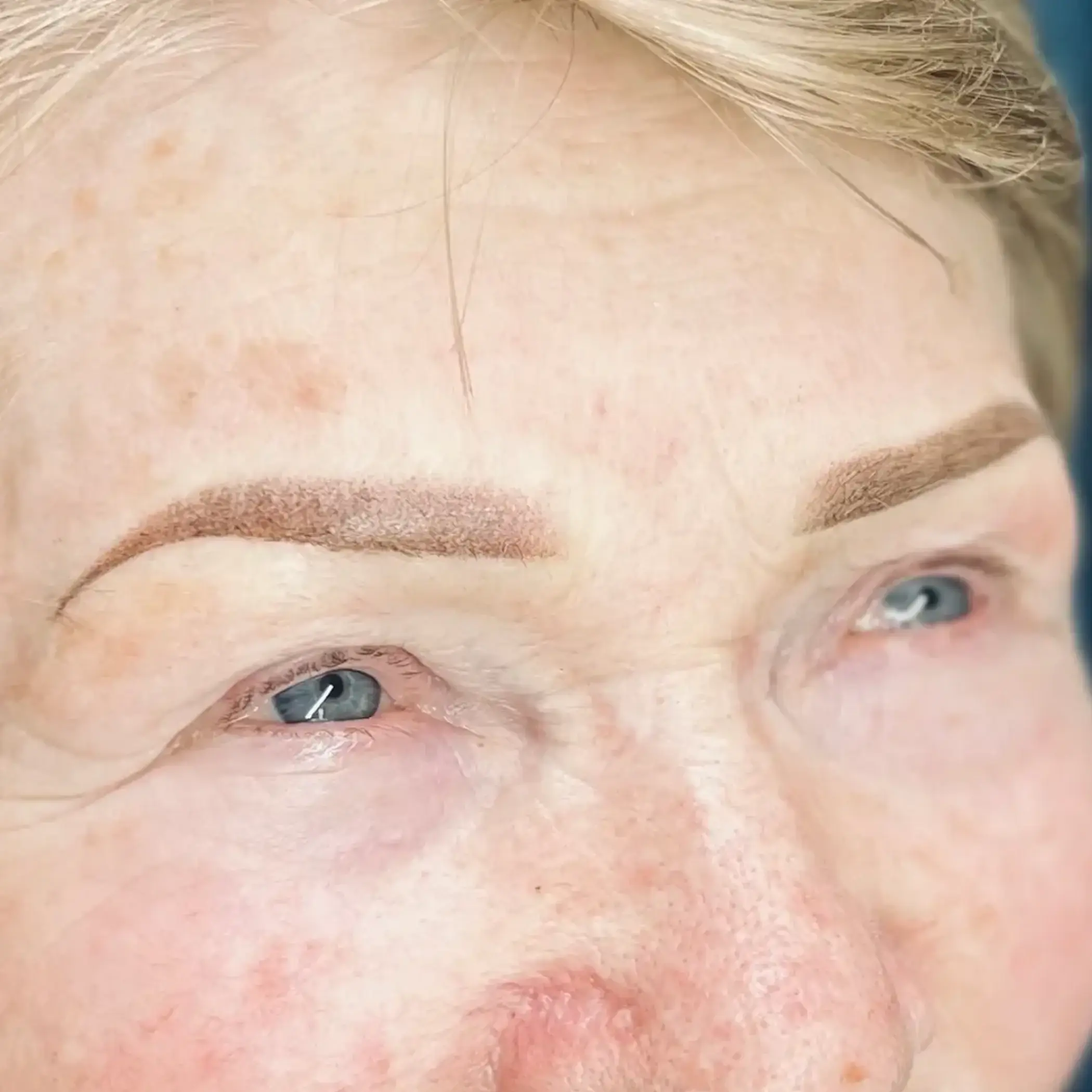
Nano work is an incredibly precise and unforgiving process, that’s what it is. A pigment can look absolutely gorgeous in the cup and still end up all patchy or blurry once it’s fused with the skin oil, the way the skin moves and – let’s face it – the Melbourne weather.
When we’re comparing organic vs inorganic pigments, we’re really talking about the chemistry and physics of how they work: particle shape, opacity, and behaviour in the skin. That determines whether you get that super-fine hair-stroke precision or a more solid, heavier finish.
Quick Definitions That Help
In PMU, when we talk about “organic” pigments, we’re usually referring to carbon-based colourants, not the kind of organic produce you’d pick up at the farmer’s market. Carbon Black is probably the most well-known example of a carbon-based pigment – its tiny particles make it incredibly strong and black.
Inorganic pigments, on the other hand, are mineral-based, and Titanium Dioxide (or TiO2) is a prime example. Its prized for being so bright and opaque, that’s why you’ll see it used in so many lightening blends and brow pigments.
Particle Form Changes Performance
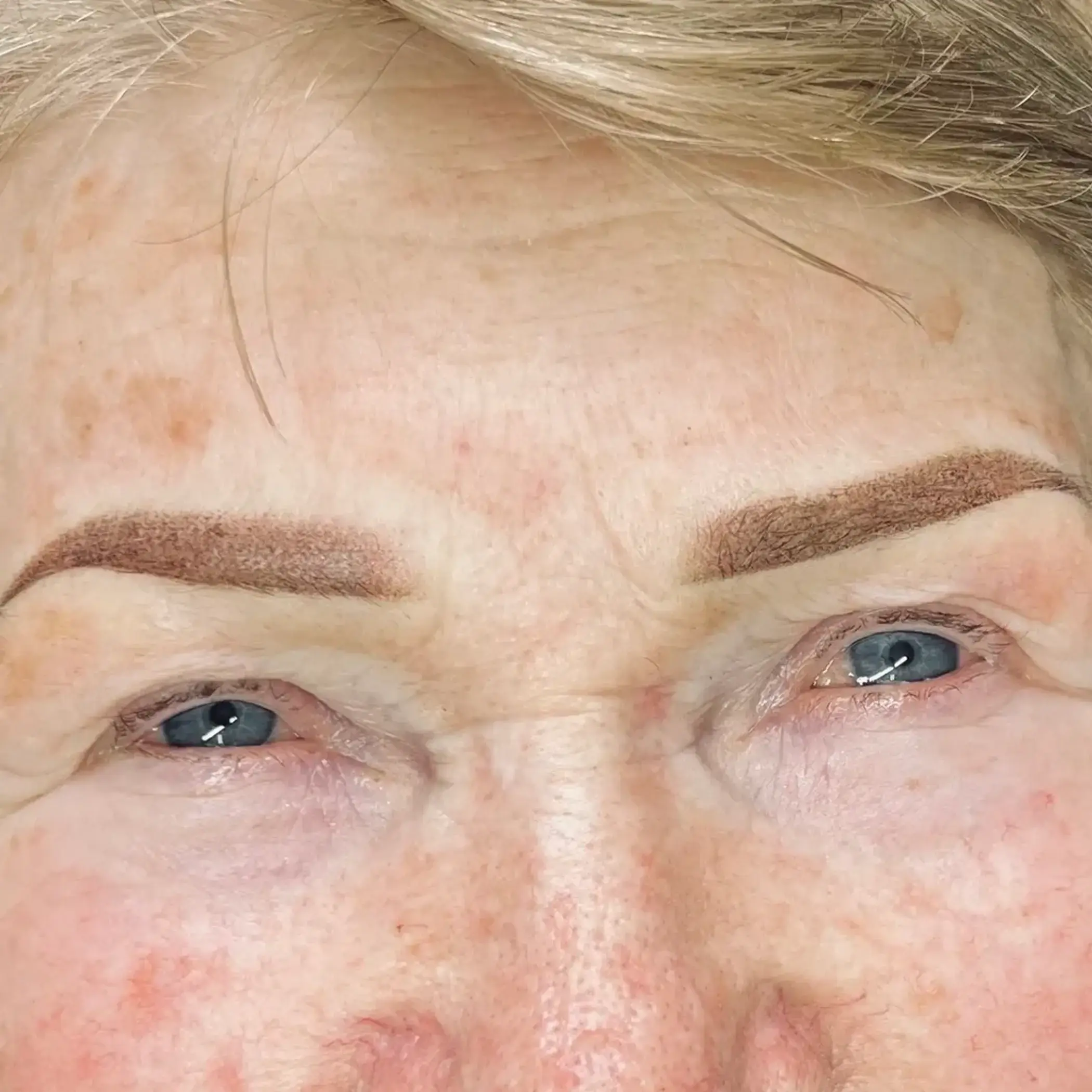
Now we’re getting into the nitty-gritty of how these pigments behave in the handpiece. The size, shape and structure of the pigment really do affect how well it implants and how clean those little brow strokes look once they’re healed.
One thing that catches artists off guard when they first start out is that “smaller is better” isn’t always the case. Tiny particles can end up clustering together, and how easily they clump is just as important as how small they are.
Carbon Black Vs TiO2 Crystals
Carbon Black pigments in nano-stamping are made up of tiny particles that like to clump together. These particles are less opaque, but they have a huge amount of colour strength – so a little goes a long way, which can be great for definition but also a problem if you’re not careful.
TiO2 pigments in nano-blading, on the other hand, are different. TiO2 occurs in crystalline forms such as rutile and anatase, with rutile being the more stable and less photoactive form used in pigments. It has a higher refractive index, which means it scatters light more intensely, resulting in a brighter, more opaque finish.
Surface Chemistry Affects Stability
Surface chemistry– let’s get straight to it. That’s the bit most artists gloss over, then wonder why one colour seems to heal like a dream while another comes out all fuzzy. When you’re talking about pigment particles, the surface has a huge impact on things like wetting, dispersion, reactivity and how it gets along with the carrier fluid and the skin proteins.
Some TiO2 grades receive a special TiO2 surface coating to help them last longer and reduce unwanted behaviour under UV light and in formulations – and that counts, because uncoated particles can behave differently depending on the situation.
Photoactivity And Reactivity
TiO2 can be a bit of a wild card, especially regarding crystal structure and coatings. In the real world of PMU, that means your formulation quality really matters. Just chucking raw white mineral into a bottle and hoping for the best is not going to cut it – that’s what a reputable PMU brand doesn’t do.
Carbon-based pigments – they’re great for depth and the richness of the colour, but they can also look pretty cool and unattractive as they settle or heal, if your formula is lacking a bit of warmth. At Face Figurati, I pay close attention to getting the undertones right because even a technically “stable” black can look a bit too cold for the client’s skin tone.
Optics Drive Healed Colour
Have you ever wondered why one pigment has this almost ethereal look while another is all bright and unsettling? It all comes down to how light behaves when it hits the colour. Opacity, refractive index, and how light scatters determine whether the healed result looks soft and airy, dense and rich, muted and subtle, or just a bit flat.
That’s why clients can sometimes get the jitters in the first week- it’s that magic trick where expectation vs reality have a punch-up. A bold result doesn’t mean it will stay that way forever, and pale doesn’t mean it will fade away. Its called expectation vs reality – big one.
Why TiO2 Looks Different
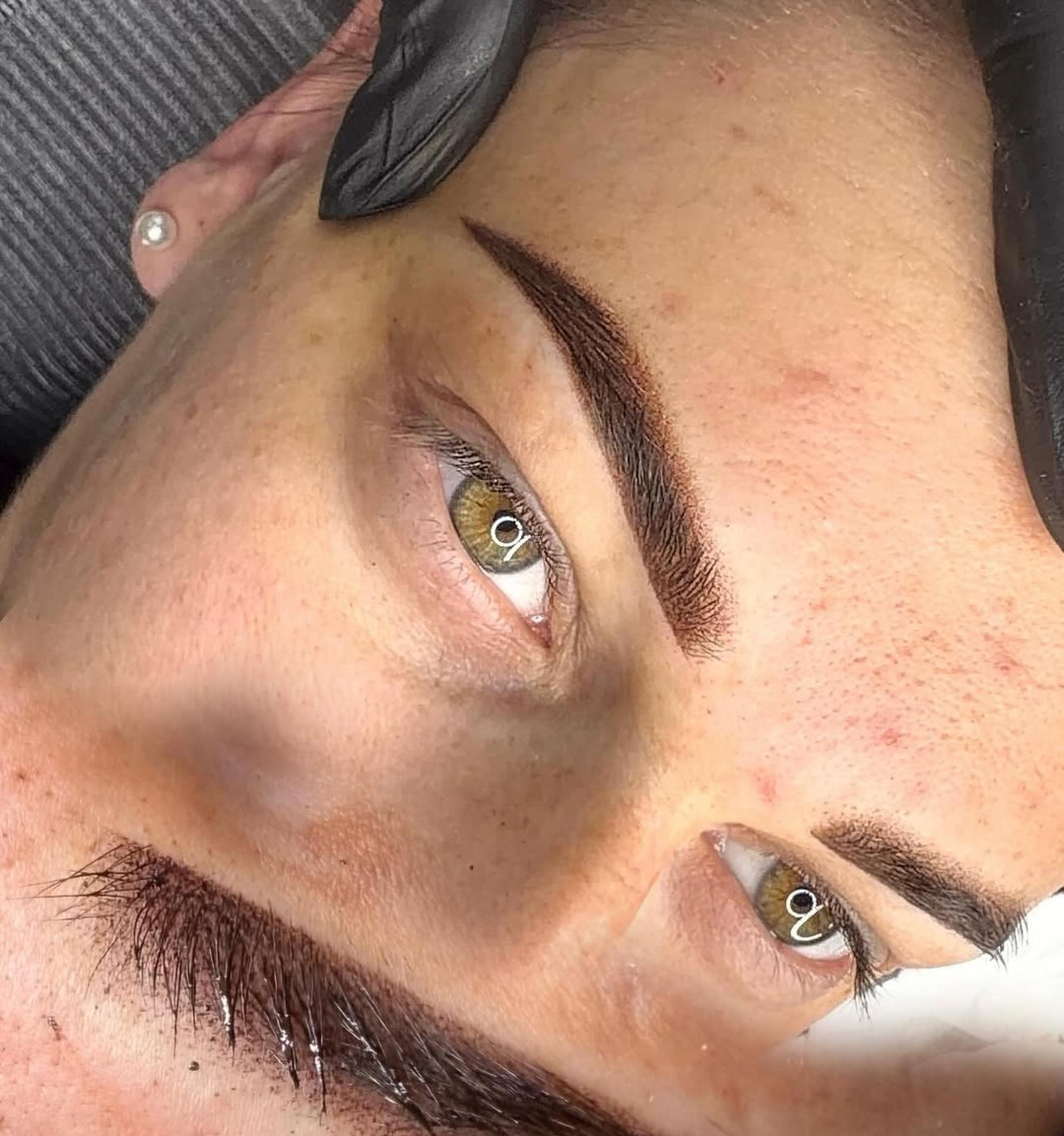
TiO2 has a very high opacity because it’s a master at scattering light. In a brow formula that can soften the depth and give you more coverage, which is great when working with intensity. But used carelessly, it can make your work look dull and lose that nice hair-like detail in the nano strokes.
Carbon-heavy formulas, on the other hand, just soak up the light more than they scatter it. That often gives you those nice sharp-looking results at the start – but if you overwork it or go too deep, the same thing that helped in the beginning will start to contribute to fading and migration issues in the long run.
Technique Changes Pigment Behaviour
Nano-stamping and nano-blading are more than just “tiny tattooing” – they’re a delicate process of placing tiny amounts of pigment into precise pathways. As a result, pigment particle size and pigment aggregation become crucial factors in the success of your nano-blading.
When it comes to the actual process of creating these fine brow strokes, the difference between a beginner and an experienced artist is stark. The beginner often points the finger at the pigment, while the experienced artist takes a more holistic approach – considering depth, pressure, skin type, and the compatibility of the formula with the technique.
Deposition And Stroke Precision
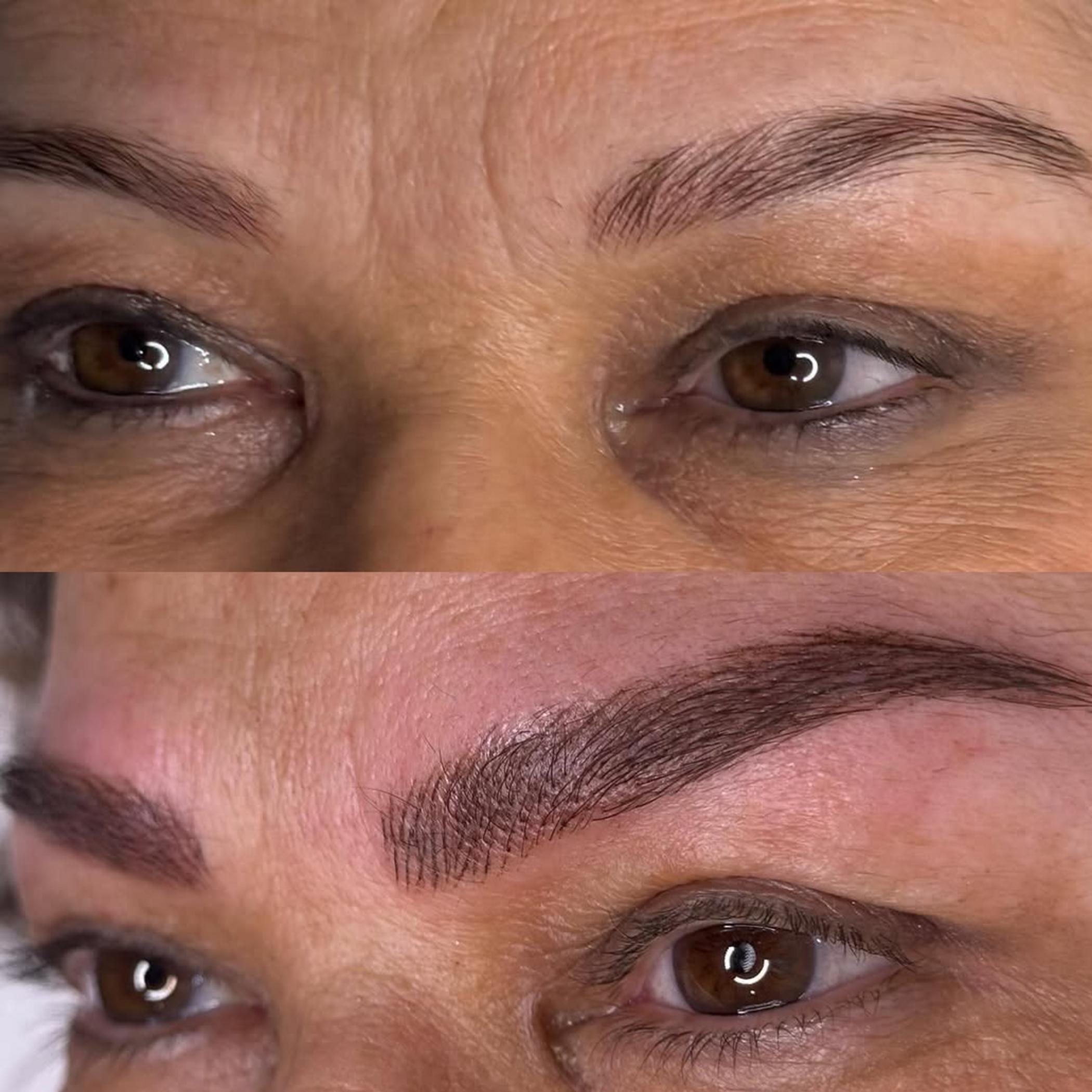
When it comes to getting those fine, hair-stroke details just right, I’m on the lookout for pigment that disperses well and flows smoothly, without a lot of clumping. Some carbon-based formulas are great for producing beautifully defined nano brows – as long as you’re not going too deep and the skin is in good nick. But if the skin is very oily or has big pores, those strokes can get lost in translation.
TiO2-rich blends are pretty opaque and sit well on the surface, but they’re not always my first choice when I want crisp, translucent hairstrokes. And with nano brows, skin type is way more important than what’s trendy. Some people want an airy, realistic look, while others need a bit more density to fill in sparse tails, mature skin or previous work.
Safety Needs A Sober View
There’s a lot of noise online about “nanoparticles“, toxins and miracle pigments – but let’s keep our feet on the ground. Safety depends on a lot of things – the approved formulation, how you handle it, patch testing, the depth you implant it, and how well the client takes care of themselves afterwards – not on what the marketing team says.
In Australia right now, artists should follow current state and local public health, infection control, and skin penetration regulations. Product compliance can change, so always check the latest from your supplier and the SDS before using any new product.
Who Should Delay Treatment
If your client has active dermatitis in the area, a recent sunburn, broken skin, or a medical issue that will affect healing, you should delay the treatment until it’s resolved. And let’s be real – in Melbourne, the weather’s not always kind to healing. We see it time and time again – the wind, the heat, the sun, the dryness all take their toll.
A realistic appointment for nano brows can take 2 to 3 hours, depending on the job’s complexity. If you need a touch-up, you can expect to come back in 6 to 10 weeks, depending on how well the skin responds. In Melbourne, you’re looking at a price range of around AUD 500 to AUD 1,000 for quality brow work, and if you only get one session, it’s all about getting the shape and placement right – don’t worry too much about maximum density.
Choose Pigments With Intention
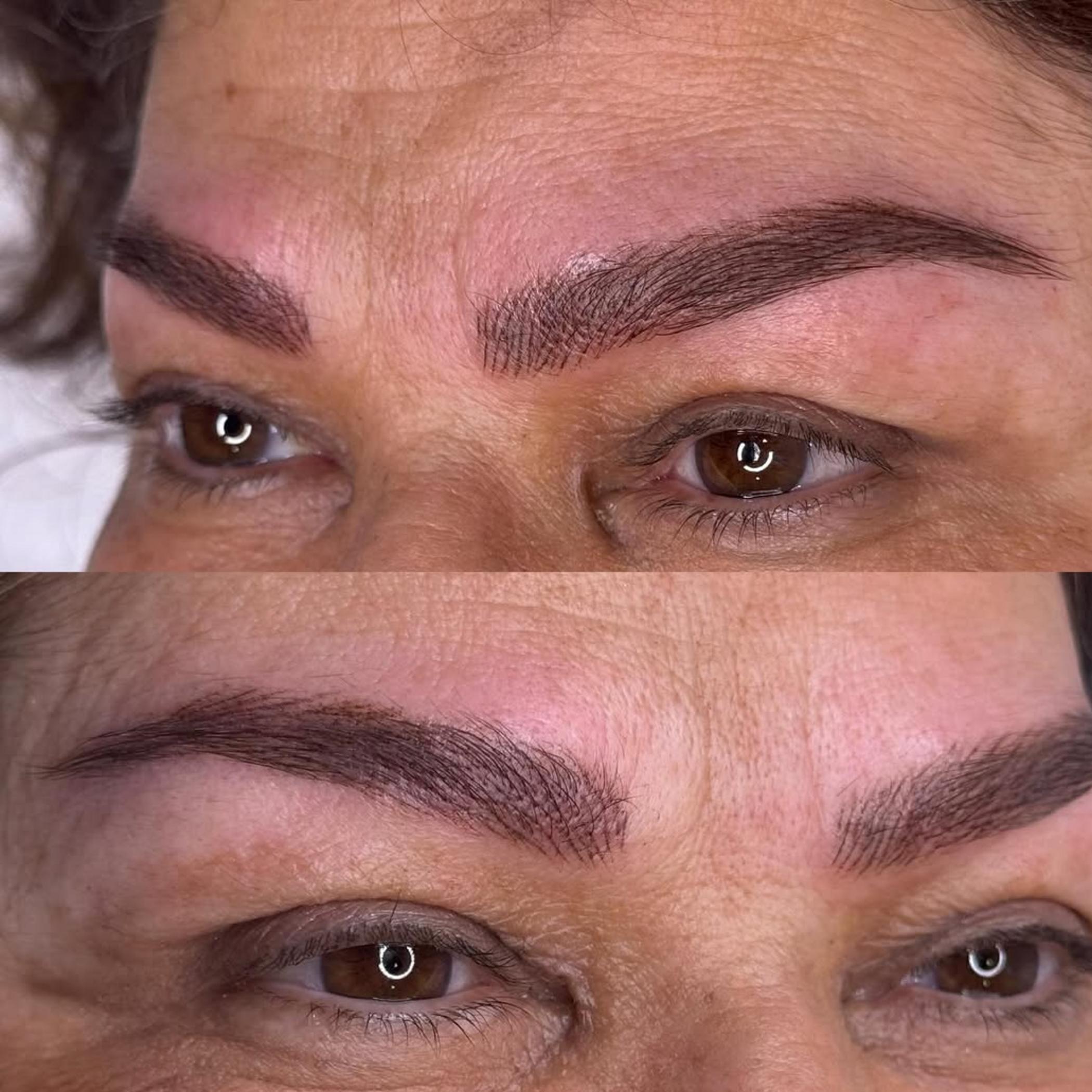
What a lot of people get wrong is trying to categorise carbon and TiO2 pigments as being one or the other – where carbon is “good”, and TiO2 is “bad”. But they’re tools, not a set of rules. The right choice depends on a load of factors – how transparent you need the colour to be, what the undertone is, what the client’s skin is like, if they’ve got a tattoo already, and whether you’re after a super clean definition or more coverage.
I’ve worked on pieces that were sorted because people had thoughtfully mixed organic and inorganic pigments, and they’ve healed beautifully. And I’ve seen projects go wrong because people have just slapped two kinds of pigment together in a rush, and it’s ended up muddy. And don’t even get me started on the importance of the brand you’re buying from – some suppliers like Tina Davies, Perma Blend, and Hanafy have got different organic, inorganic or hybrid systems in their lines, so always make sure you check out the actual ingredients rather than just making an assumption about the whole brand.
Practical Selection Tips
When you need crisp lines, use carbon-based pigment with a bit of care and restraint – especially on delicate skin, don’t overwork it.
When you need something more opaque or balanced, TiO2 is okay – but use it with restraint too.
Don’t just look at a pigment’s swatch on the bottle – test it for transparency, how well it flows, and how it heals up.
Be mindful of previous tattoo cover-ups – TiO2-heavy mixes can give a flatter look than you might want.
Make sure you match your aftercare to the time of year, especially in places like Melbourne, where its a really dry winter and then a super hot summer.
My Final Take
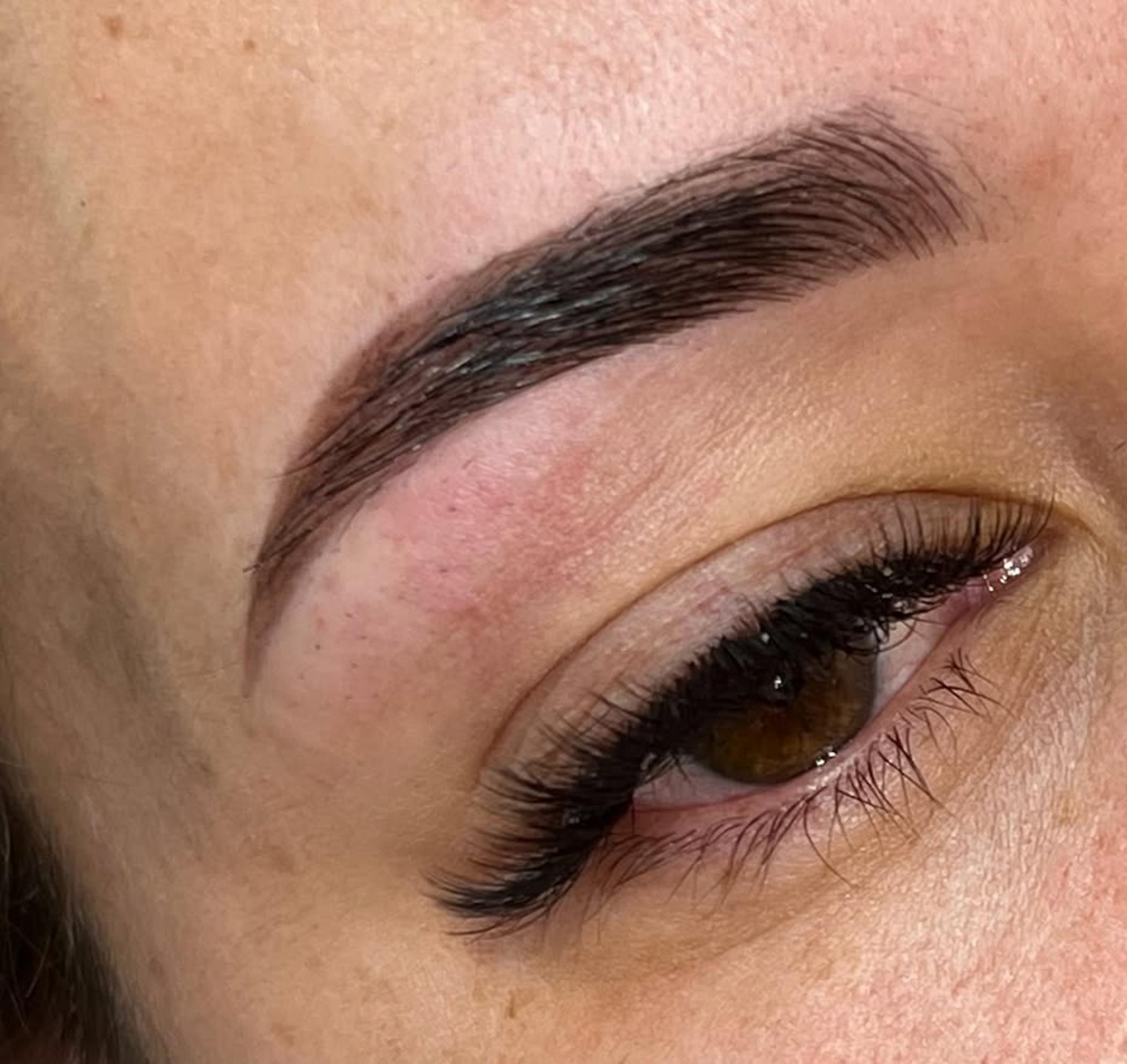
The short version is: carbon-based pigments are finer, darker, and more transparent, while inorganic TiO2 pigments are crystalline, brighter, and more opaque. And in things like nano-stamping or nano-blading, that makes all the difference in how the pigment behaves when it’s implanted, and how it looks when its healed.
If you’re an artist trying to get better at doing good work, you need to study up on the structure of things before you start worrying about the colour names. And if you’re a client trying to choose a good studio, ask what kind of pigment system they use and why – at Cosmetic Tattoo Studio Melbourne Face Figurati, we’re big on having that conversation – good cosmetic tattooing starts a long time before you even start working.
FAQ
What’s the real difference between organic and inorganic pigments?
For starters, it’s all about where they come from – organic pigments are based on carbon, and inorganic ones are made up of minerals with all sorts of crystalline structures.
Are Tina Davies Pigments organic or inorganic?
Be honest – some of their ranges are a bit of both, or they vary depending on the actual shade you’re looking at. So always check the latest ingredient list for the specific pigment you’re interested in, rather than just going off the brand name.
Can you mix organic and inorganic pigments?
Yeah, but you have to be careful because if you get it wrong, the whole thing can shift in how it looks and how it heals. You need to understand what will happen when you mix the two, or you could end up with a real mess.
Does Titanium Dioxide make nano brows better?
Well, not necessarily. TiO2 can make a pigment more opaque and more correction-friendly, but too much can actually make your strokes look less natural, and the transparency suffers.