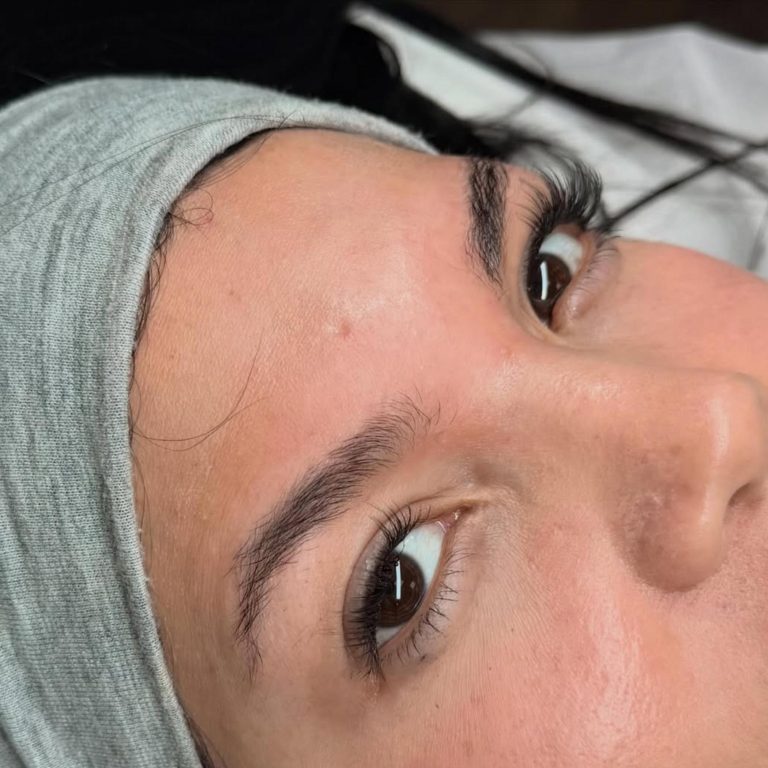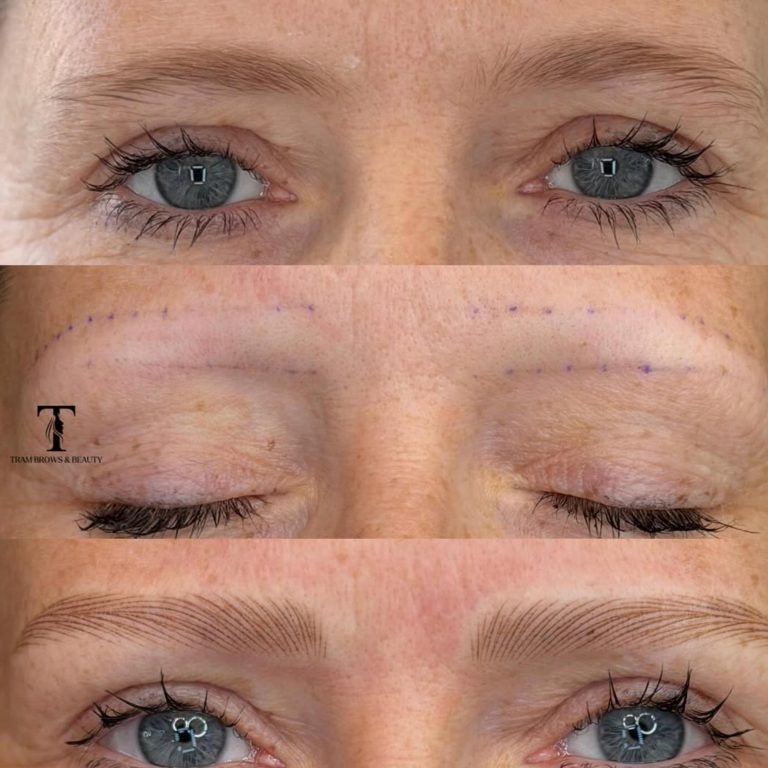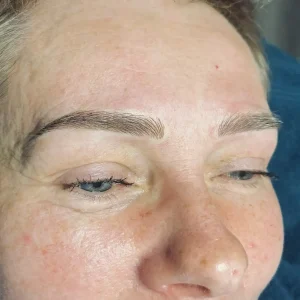



If you’re wondering whether forehead skincare can affect your brows, the short answer is yes, but its not because the cream travels deep into the brow dermis like some social media sites will tell you- it’s a lot less dramatic than that. The reality is that most skin care products, like retinoids, tretinoin, retinol and alpha hydroxy acids like glycolic acid, just speed up the rate at which your skin gets rid of old cells
I’m Olha Po, founder of Cosmetic Tattoo Studio – Melbourne Face Figurati, & I get asked this question a whole lot by clients with healed brow work. The real problem usually isn’t the cream magically migrating to the brows in some deep anatomical way, but rather from repeatedly using products near the tattooed area, having constant inflammation, breaking down the skin barrier, & then losing the outer layer of skin faster & faster over time. That makes a big difference for microblading retention – especially in a city like Melbourne where the dry wind, sudden UV spikes and being stuck indoors with heating can all make your skin super reactive.
Why This Matters For Brows
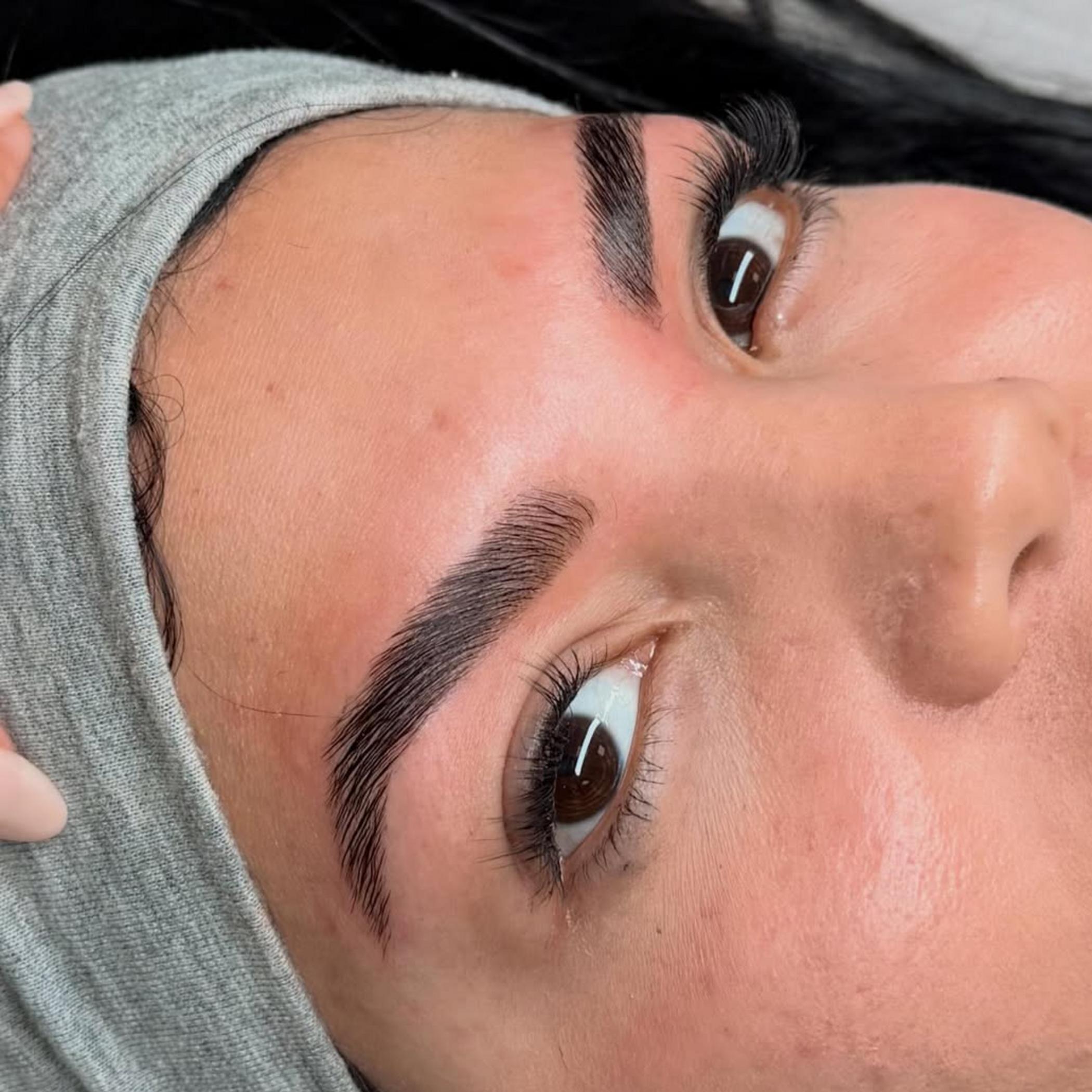
Good brow tattooing is all about getting the colour in just the right spot so it heals looking soft & natural. But even if you get the placement spot-on, the colour will still fade faster if the skin around it is irritated, flaky, or stressed from the sun.
A lot of people get caught off guard because they think, ” I just put that tretinoin on my forehead”, and then wonder why their brows look patchy in six months’ time.
Where The Pigment Actually Sits
With cosmetic tattooing, the pigment goes into the upper to mid layer of the dermis, not the top layer of the skin (the epidermis). That difference in where it goes matters because actives in your skincare don’t just magically dissolve the pigment down in the skin like some sort of magic potion – your face deserves better than that image.
What they can do is change the skin environment on top of and around the pigment. Repeated chemical exfoliation can make the skin feel thin & irritated, remove the top layer much faster than usual, and change how evenly the tattoo shows through the skin. In microblading, where we’re creating individual hair strokes, that fading looks a lot more noticeable a lot sooner.
Why Microblading Fades Faster
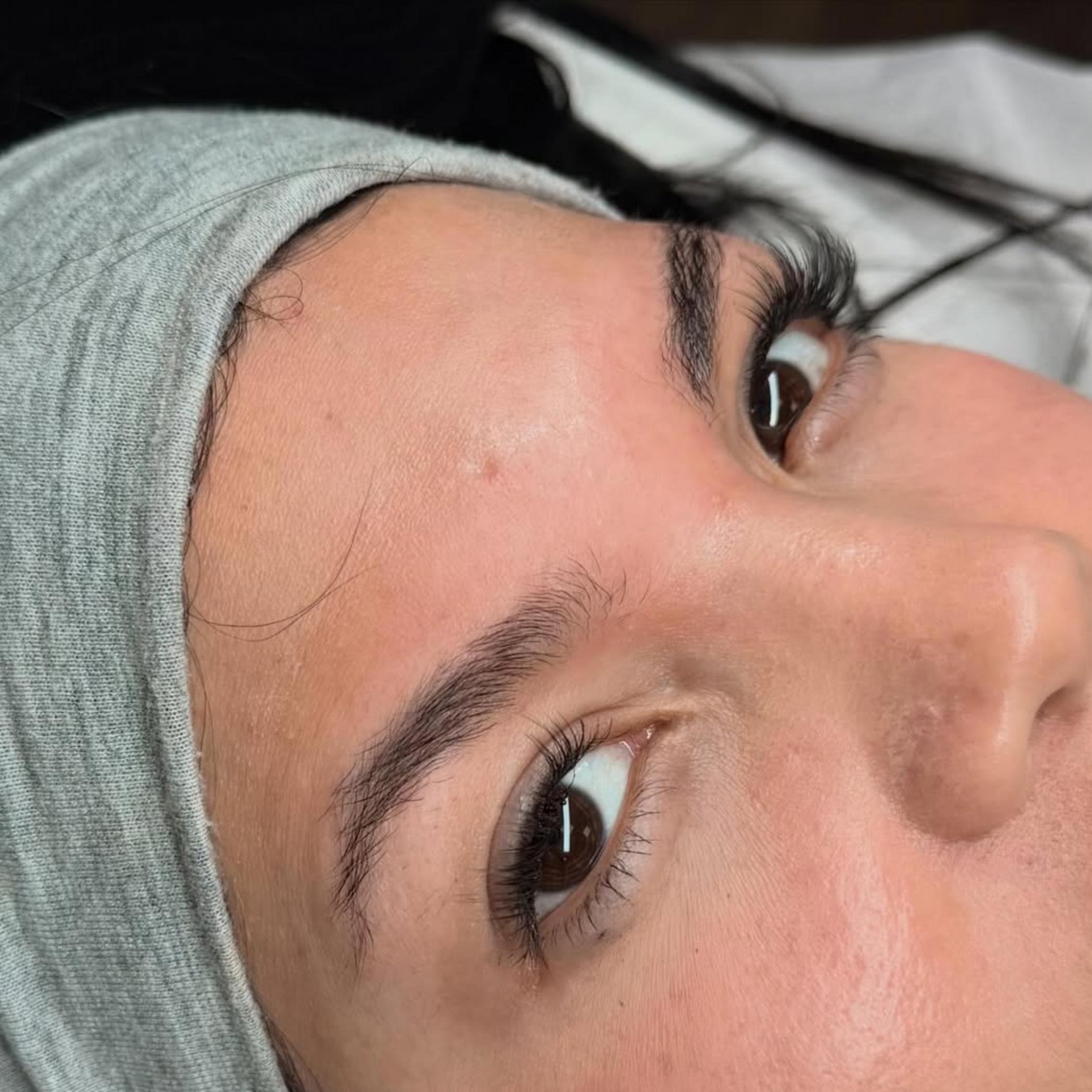
At Face Figurati, I’ve seen this pattern over & over – clients on prescription retinoids, then they start to notice the tail ends or the bulb of the brow softening. And no, it’s not because the cream just happened to travel from the centre of the forehead into the whole brow dermis & just magically broke down all the tattoo ink right then & there. Usually its because the treated area got a bit too close to the brows for comfort, or the skin had just been on constant exfoliative stress.
And the main thing that usually gets people wrong is assuming one single slip-up is gonna ruin the whole thing. In reality, its the cumulative effect that gets you – how often, how much & how close to the brows it happens all adds up a lot more than just one mistake.
How Actives Influence Retention
Folks, let’s cut to the chase. It’s not about some magic ingredient being ‘bad’ – it’s about how that ingredient actually behaves on your skin over months.
Some of my clients can get along just fine with Retinol, and their skin tone looks as good as new. Others throw everything at the wall – using Tretinoin, tossing in AHAs and a BHA toner, foregoing SPF and then wondering why their brows are fading like yesterday’s pencil sketch in the sun.
What Retinoids Do In Skin
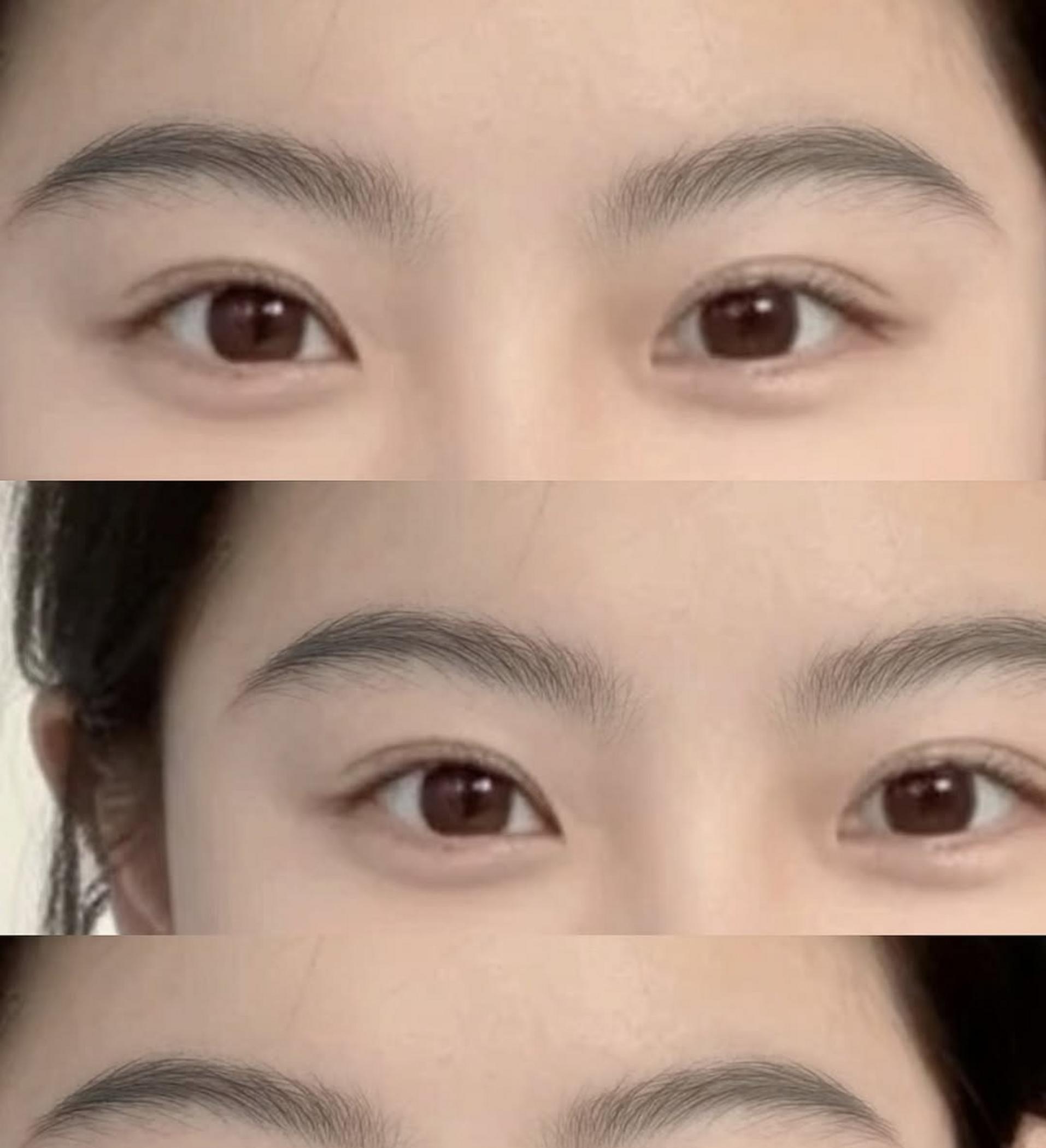
We know how retinol works: it speeds up skin renewal, changes how keratinocytes behave, and can sometimes make your skin feel dry and pruney. Tretinoin, the prescription-strength stuff, is a different beast. It’s stronger and more irritating than its low-strength retail cousins.
According to the dermatology literature, retinoids mainly hang out in the epidermis and the very top layer of the dermis. There’s no magic ‘retinoid pathway’ from your forehead straight into your brows. So, do retinoids fade eyebrow tattoo pigment? Yeah, they can make it fade faster, but the idea that they somehow magically migrate into the dermis and trash your pigment from afar? Not buying it.
What Acids Do Near Brows
Do AHAs really cause permanent eyebrow tattoo results to fade? Yeah, they can. Especially when you’re using glycolic acid right on top of the tattooed area. Glycolic acid makes the dead skin cells start falling off, and that’s not exactly great news for tattoo longevity.
In my studio, I’ve seen some seriously rapid fading in clients who use those acid pads at night, especially if they’re also getting facials, dermaplaning or peels. One client with super oily skin and a regular glycolic pad routine had her front brow definition just disappear before she was even due for a refresh – all that was left was a faint shadow of a shape.
What The Evidence Actually Says
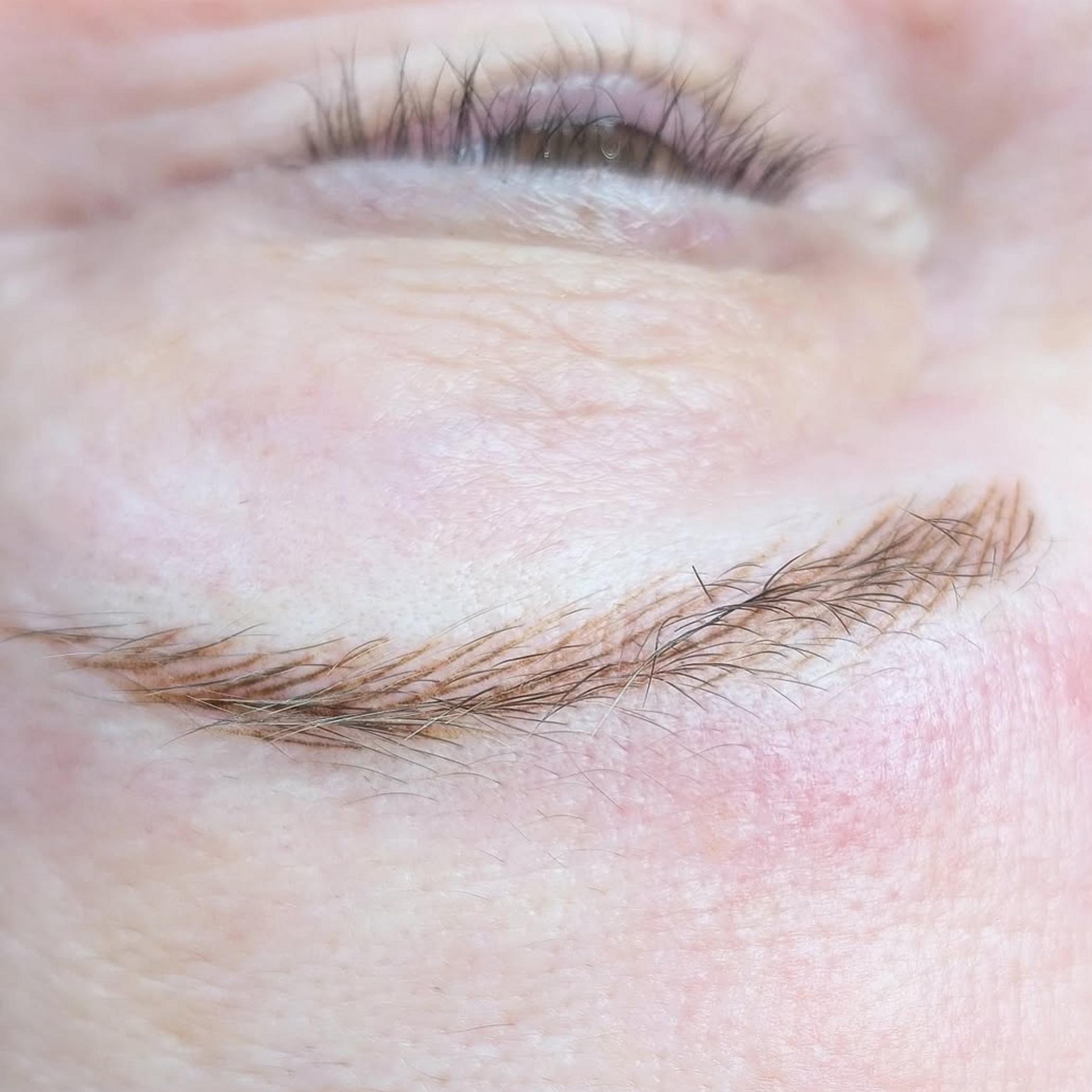
We all know there’s a lot of chatter online, but when it comes to actual studies on eyebrow pigment and forehead-only skincare, there’s a whole lot of nothing. So we’re stuck having to piece things together from skin science, tattoo theory, published dermatology research and what I’ve seen in my years as an artist.
Which means being honest: it’s those indirect fading mechanisms that are way better supported by evidence than the idea that some magic exfoliant is going to rip through your skin and destroy your tattoo.
Research And Real-World Patterns
I’ve got a stack of dermatology sources on my desk, including a few nice PubMed-indexed papers that cover the effects of topical retinoids and acids on the skin. And let’s be real, Paula’s Choice and Healthline are all over the importance of being gentle with fresh or existing tattoos – none of that means I’m a doctor, but it’s a good starting point.
But at the end of the day, the truth is that clients who do best with long-term retention usually do three simple things: they steer clear of actives near their brows, they cover up from the sun, and they don’t overdo their treatment routine. Fancy serums ain’t gonna save your brows, no matter what the packaging says.
When Fading Speeds Up
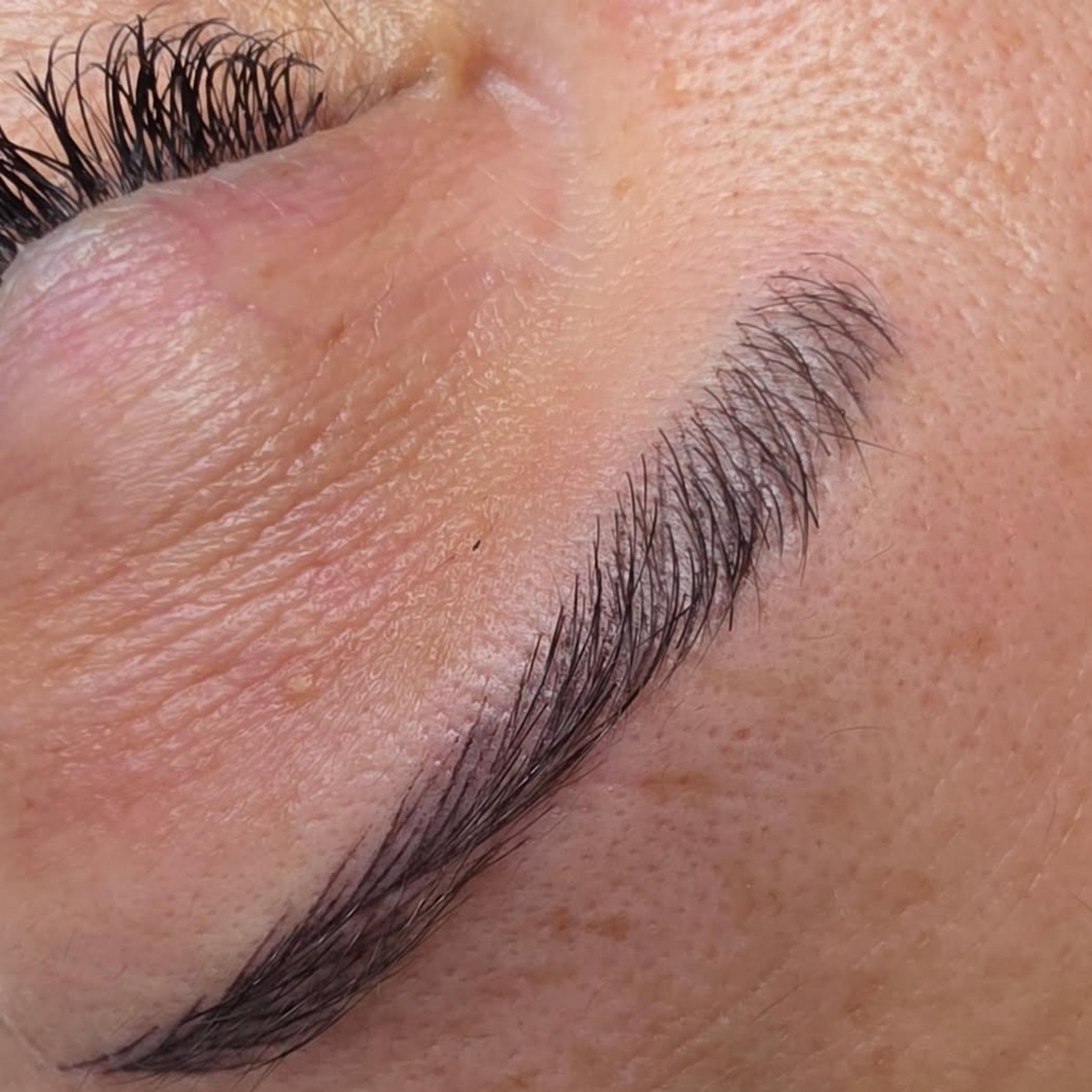
Not all skin is equal – and neither is fading. It’s not always the artist’s fault either – skin type, skincare habits, sun exposure and the timing of treatments all play a part.
If you’re only having one session without a touch-up, it’s even more crucial to have realistic expectations. Shape should be the priority; getting the colour and density right often needs a follow-up appointment.
Biggest Risk Factors I See
The most common reasons for eyebrow tattoo fading I’ve come across in Melbourne are using too much of the good stuff (active ingredients) too close to the brows, too much sun, oily skin, excessive sweating, getting a facial, and completely ignoring aftercare advice when you’re doing microblading – especially the part about being careful with retinol. And actually, seasonal changes can be a big factor too. In the winter, you might be more likely to overdo it on exfoliants to deal with dry skin, while in the summer, the sun can just about blast all the colour away.
Stop using tretinoin, retinol, glycolic acid and other strong acids around the brow area 7 to 14 days before the procedure unless your doctor gives you the all-clear.
Don’t start using them again until your skin is fully healed, which can take about 4 weeks. Sometimes it takes a bit longer if you heal slowly.
Keep a buffer zone of about 1-2 cm from the brows when using these products.
Wear sunscreen every day once you’re healed.
And, don’t go for treatment if your skin is sunburnt, peeling, inflamed, infected or if you’re in the middle of a big skin correction program.
Expectation Vs Reality
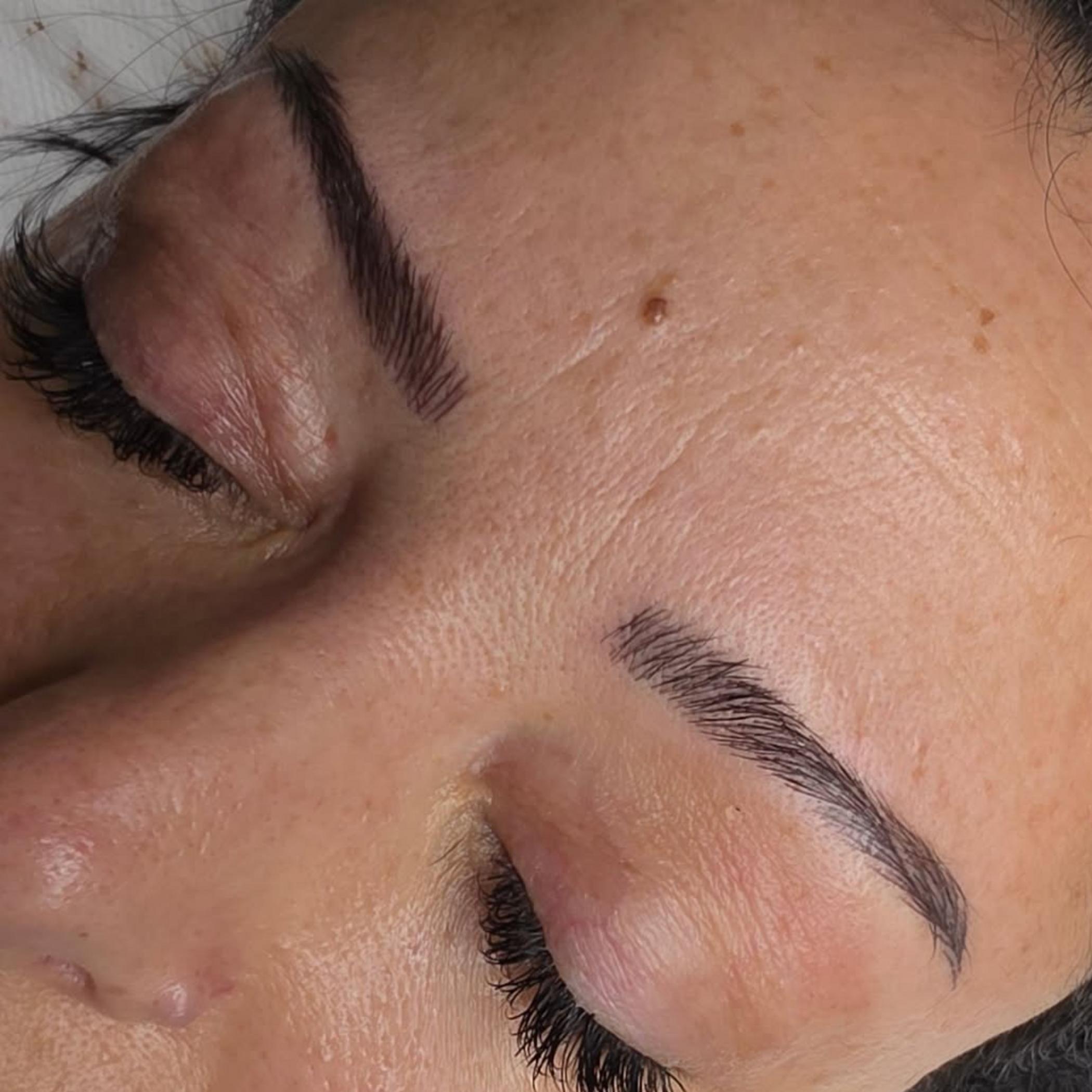
Fresh brows look bolder. Healed brows soften by roughly 30% to 50% in many clients, depending on skin and technique. That softening is normal; patchy, premature loss is not ideal and often points to aftercare issues, actives, oiliness, or sun exposure. A typical brow appointment takes around 2 to 3 hours, with a touch-up at 6 to 10 weeks. In Melbourne, brow tattoo services commonly range from about AUD 450 to AUD 900, while corrections and removals can cost more.
Who should be cautious? Clients using prescription skin programs, those with very reactive skin, active dermatitis, recent peels, broken capillaries, or unrealistic expectations that one session will last perfectly for years. I also tell clients with cosmetic sensitivities to patch test carefully and keep their routine boring during healing — boring skin is often happy skin.
How To Protect Your Results
If your goal is to prevent microblading from fading, you do not need to throw out every active ingredient in your bathroom. You just need better placement, timing and moderation.
This is where a proper consult helps. At Face Figurati, we ask about skin cycling, actives, facials and prescription products before we even map the brow shape.
Simple Rules That Work
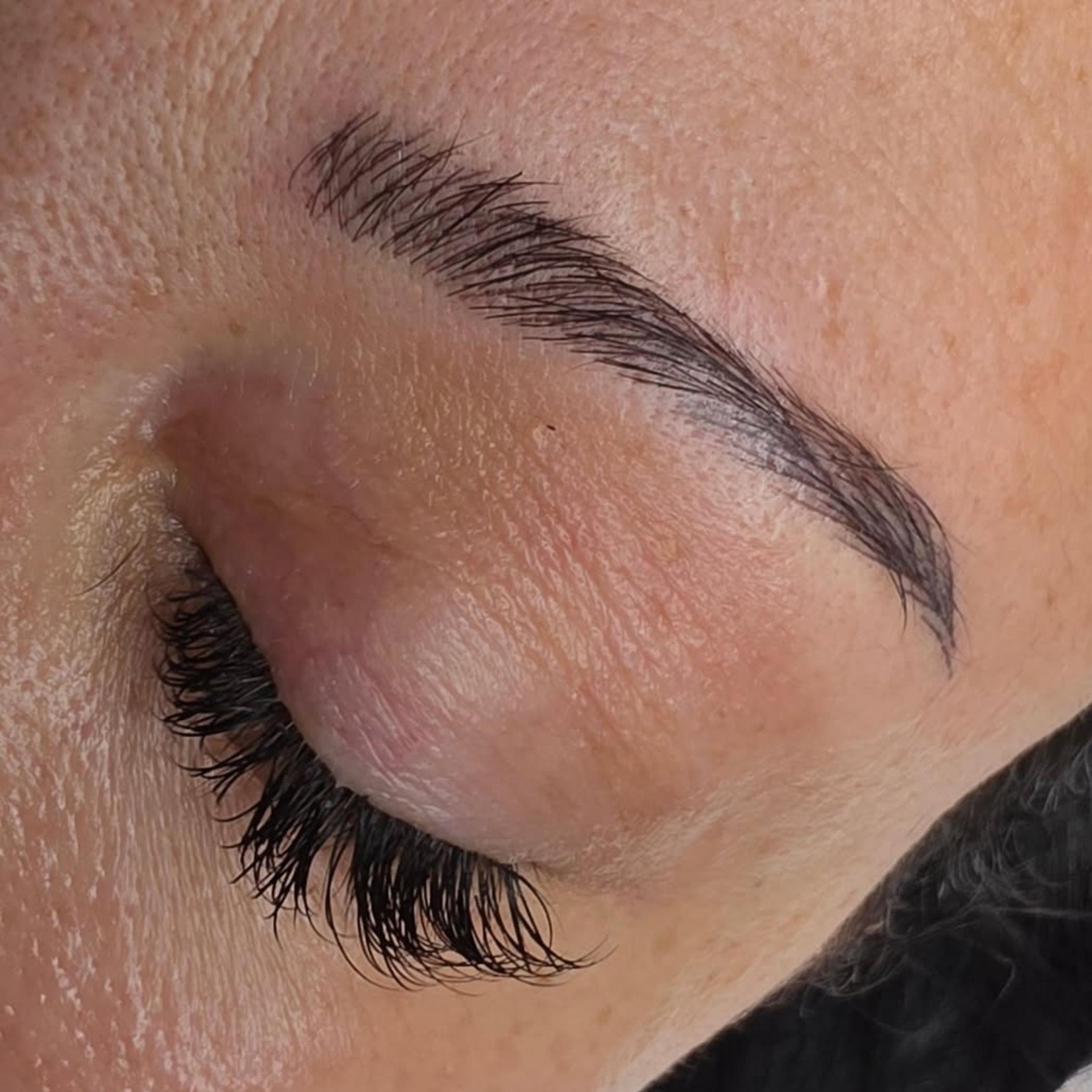
When it comes to strong actives like Tretinoin or acid treatments, steer clear of applying them right above and around your eyebrow – or at the very least, stop a hair’s breadth short of the brow. Instead, use hydrating products that won’t interfere with your tattoos, and book yourself in for a touch-up before the colour starts to fade unevenly. If the fading is really bad, you might need a refresh; if the colour has gone all wonky or blurred, it might be time for a removal or correction job.
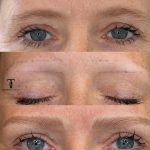
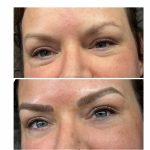
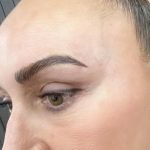
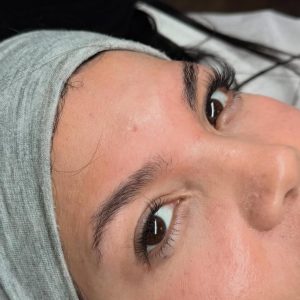
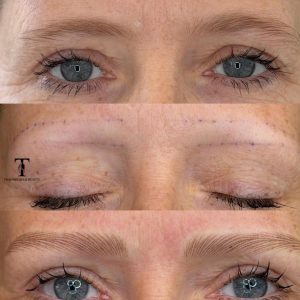
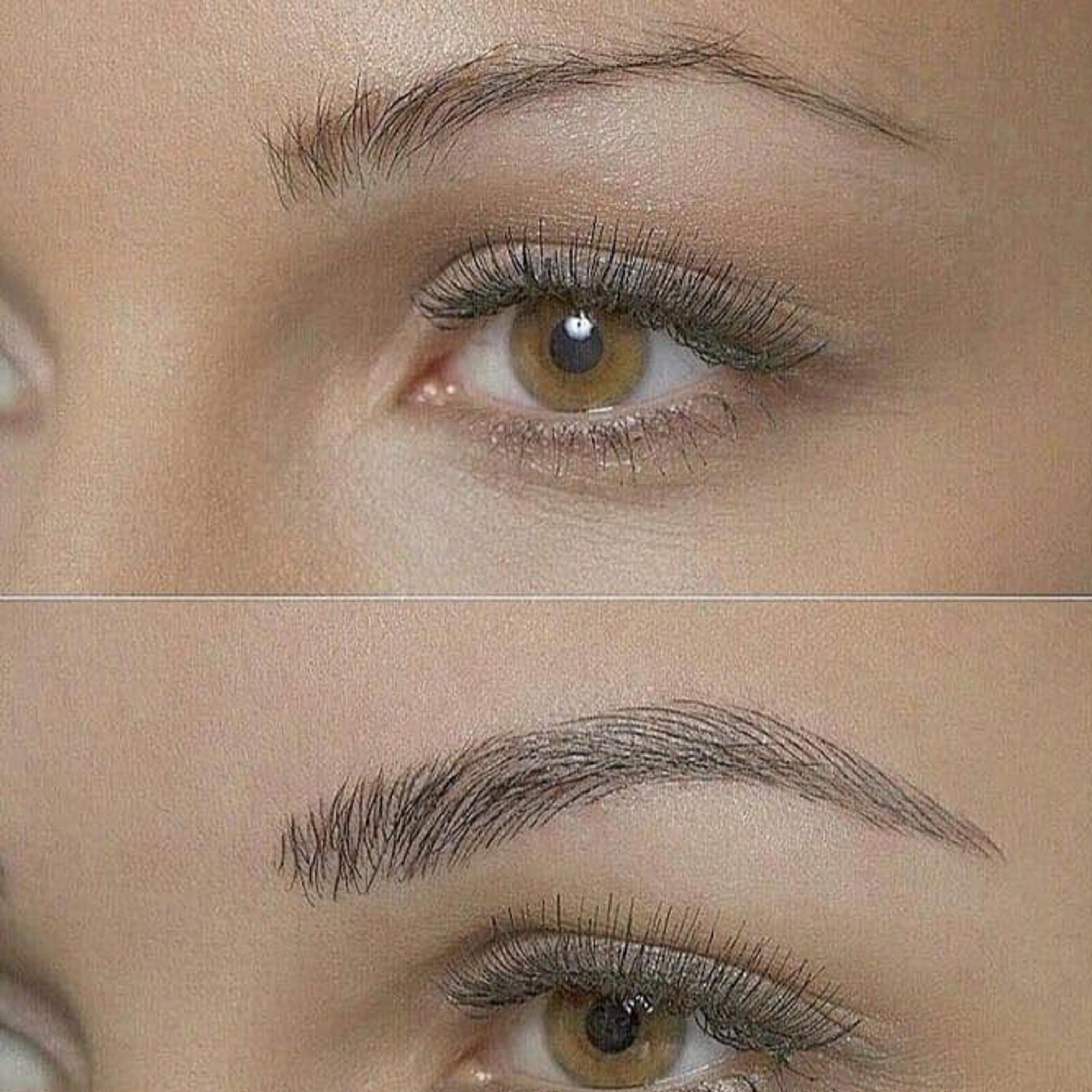
Still unsure how your skincare is affecting your brows? Get in touch with me at Face Figurati – I’d be happy to walk you through it. Want to see the kind of results we get? Check out our client results gallery and compare the before and after shots – that’s where the real story lies.
As for whether retinoids cause fading… well, they’re not the worst offenders in the world, but they can contribute to fading, especially if you’re using them long-term and right above your brow. In reality, it’s not that they somehow magically travel to the brow dermis and break up the pigment – it’s more about the irritation and faster skin turnover that can come from using them too close to the brow area. In the end, smart placement, gentle aftercare, sun protection and a bit of patience are what will really make the difference.
FAQ
Can Forehead Retinoids Reach Brow Pigment?
Not in a proven deep-migration way. They are more likely to affect nearby skin through repeated close application, irritation and faster turnover.
Do AHAs Fade Eyebrow Tattoo Faster?
Yes, they can. Regular use of glycolic acid or other AHAs around the brows may accelerate visible fading.
What Can Happen If You Overuse Active Ingredients Like Retinol And Acids?
You can trigger dryness, peeling, irritation, barrier damage and uneven pigment retention.
Is Retinol Good For Broken Capillaries on the Face?
Not usually as a first choice. Retinol can irritate sensitive skin, so check with a medical professional if you have visible capillaries.
What Do Koreans Use Instead Of Retinol?
Often gentler options like bakuchiol, peptides and barrier-supporting formulas, but results and evidence vary by product.