


If you’re wondering how the 2026 EU REACH MoCRA eyebrow ink lifespan changes affect your cosmetic brow tattoo, here’s the quick lowdown: the new rules on heavy metal limits and stricter document requirements won’t necessarily mean a shorter-lasting eyebrow ink on its own, but they will probably affect how pigments are put together, how they fade and ultimately how often you’ll need touch-ups. In practice, the safe, compliant inks might just heal slightly softer, show fewer unpredictable colour shifts, and be more reliant on getting the depth, skin tone match, and aftercare spot on.
Hi, I’m Olha Po, the founder of Melbourne Face Figurati Cosmetic Tattoo Studio, and I’m delighted when clients cut through all the marketing hype and get straight to the point of what really matters. In Melbourne, no one needs gimmicks or fancy promises – they just want safe, honest advice and realistic expectations on what to expect from their eyebrow tattoo, especially in our hot, dry summers and windy conditions.
Why These Rule Changes Matter
Let’s be real, most people don’t even think about regulations until they spot a scary headline or a batch of ink with loads of fine print on the label. No worries, that’s fair. But for those of us who care about PMU safety, the changes really do matter because what actually gets into that ink bottle can make all the difference to how it heals, how well it lasts, how often you’ll need to come back for a touch-up, and how confident your artist can be in the work they’re doing.
What really catches people out is this: going safer doesn’t always equal getting a stronger or longer-lasting result. More often than not, it means better control over contamination, cleaner raw materials and more predictable performance.
Quick Bottom-Line Effect
Under the new PMU ink regulations, 2026, manufacturers supplying the EU market face a whole lot of new rules to contend with, including stricter limits on substances of concern, such as heavy metals, in inks. And in the US, MoCRA compliance is pushing manufacturers to ensure their pigments have all the right safety substantiation, are properly documented and handled and that manufacturers are on the hook if anything goes wrong. For Aussie artists, it means reputable brands are now much more keen on batch-level testing, sourcing the best materials and making sure they’re covered in paperwork.
The upshot for those of us in the treatment room? Brow pigments might be a bit less forgiving of dodgy technique than older formulas were. If an artist gets the depth of the ink wrong, retention suffers. If they get the base wrong, you’ll see more fading and pigment migration – and it’s all a lot more obvious.
What Changed In Europe
The EU has been tightening pigment controls for some time now, and the latest updates are just the next step in that direction. The real game-changer here isn’t some dramatic salon moment; it’s that manufacturers are now being forced to work within incredibly tight substance limits, including super strict impurity controls and ingredient restrictions that apply specifically to PMU.
For us artists, this means the label is now more important than ever. And for clients, it means asking the right questions before you even book in is going to be a whole lot more important.
Limits That Affect Brow Pigment
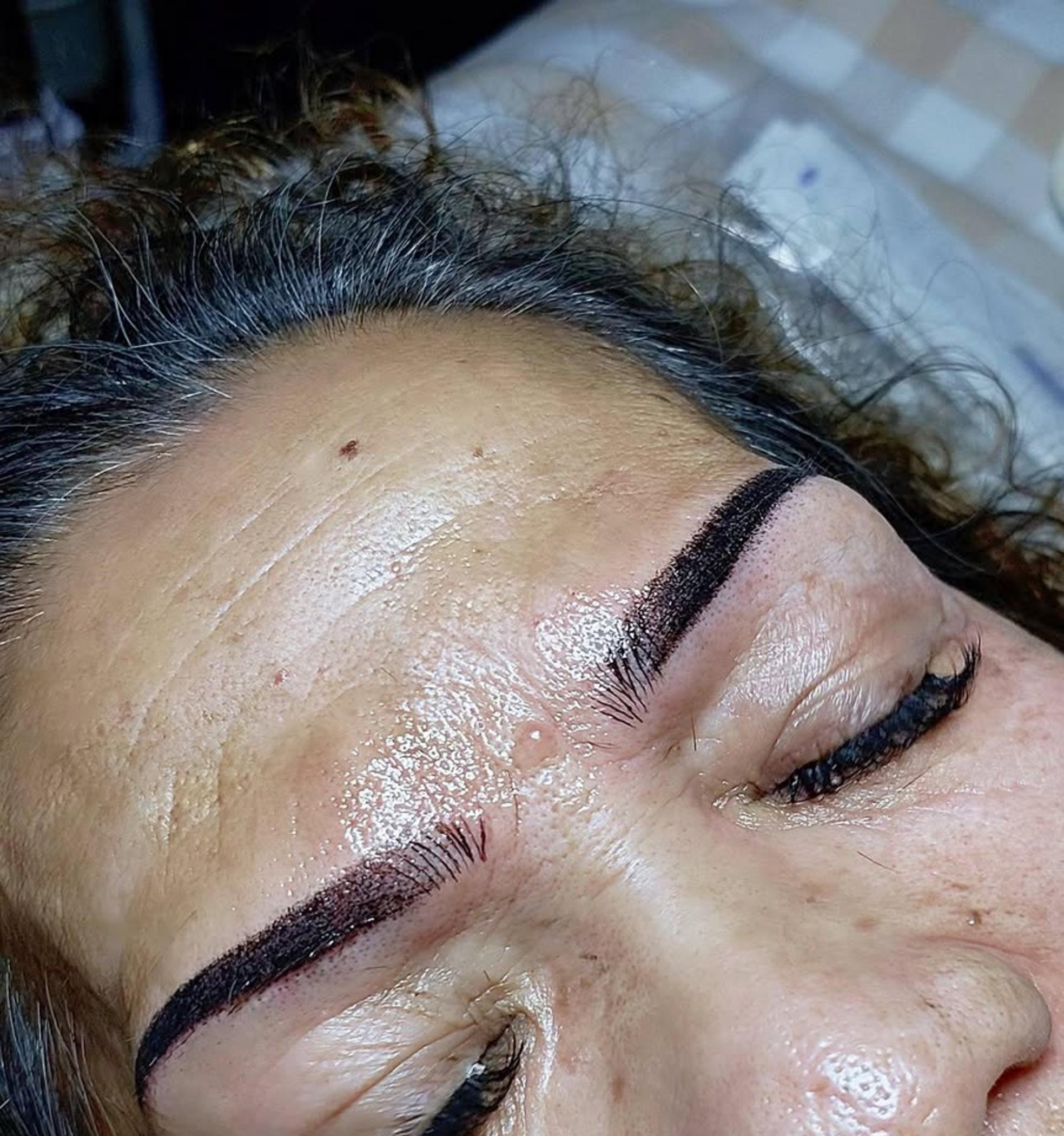
The EU REACH restrictions for tattoo and permanent makeup inks have already thrown up some pretty strict thresholds for some nasty substances like certain aromatic amines, PAHs, methanol and some metals. But now, come 2026, artists will also be keeping an eye on updates related to Omnibus VIII (EU) 2026/78 and the documentation accompanying product registration. The thing is, though, it’s not just the headline metals like lead we need to be worried about – it’s also total impurity control across lead, arsenic, nickel limits, plus chromium, cadmium, mercury and all the other contaminants that should be tightly restricted or not even present at all.
To put it simply, I tell clients: if a brand can’t show me a current Certificate of Analysis (CoA), then no matter how trendy the swatch looks on Instagram, I am not interested.
What MoCRA Adds In Practice
MoCRA doesn’t work exactly like EU REACH, but it does push manufacturers to take a lot more responsibility for the cosmetics they sell in the US. What that means is that, when it comes to pigments, anything sold in the US often gets lifted to higher standards across the whole product line, which is what a lot of Australian artists are keeping an eye on.
Now, I know this is going to sound boring, but having all this paperwork in order means a lot. It protects both the artist and the client from a whole lot of potential problems.
Safety Files And Maker Duties
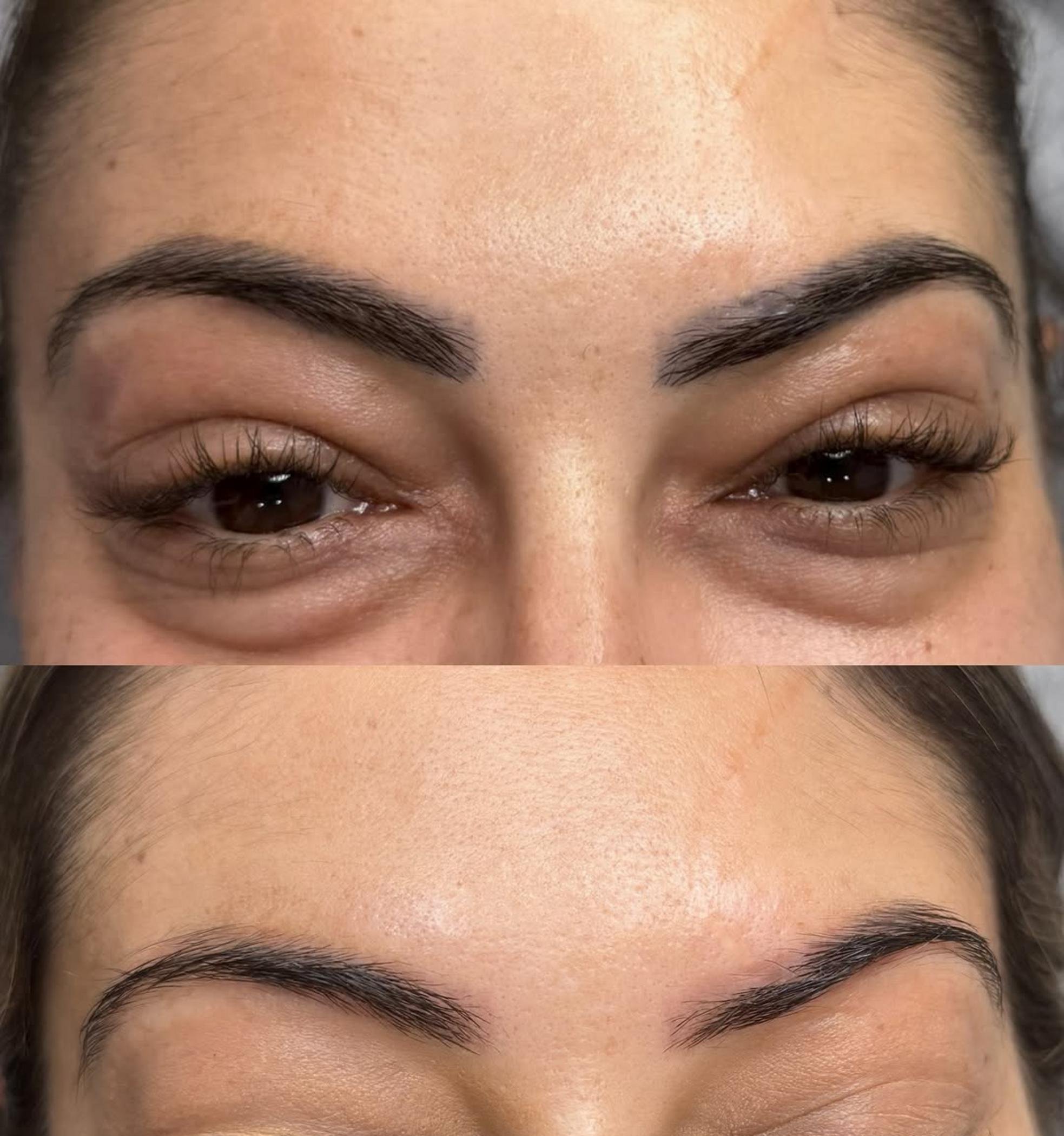
MoCRA has stepped up the ante for manufacturers when it comes to facility registration, product listing, adverse event reporting, record keeping and safety substantiation. For pigments, that means a proper safety dossier, clearer ingredient records, and a lot better traceability. Some brands even align their labelling with INCI conventions when it applies, although pigment naming can vary depending on the regulatory framework.
The thing most people get wrong is thinking that, because the FDA is on the case, every single PMU bottle is approved individually. But it doesn’t work like that at all. The real question is whether the manufacturer can actually prove what’s in the pigment, what’s not, and which batch has been tested – not to mention who also did the testing in the first place.
How Formulas Are Changing
When metal restrictions get tighter, chemists don’t just conjure up a solution out of thin air. They reformulate – which can mean tweaking pigment blends, carriers, binders, or preservatives – or in some cases, cutting out materials that are now under the microscope, like PFAS in cosmetics. It’s been put under the spotlight thanks to the 2026 discussions.
That reformulation can result in changes to the finished product, but not always for the worse. More often than not, the results are just plain different.
Iron Oxides And Organics
For brow work, a lot of brands still rely on iron oxide pigments because they produce a natural-looking result; that’s the one thing they’re going for. Some also add in synthetic organic dyes for brightness or to find a balance. While cleaner formulas might reduce the amount of impurities, they can sometimes behave a little differently on oily skin, mature skin, or skin with scarring.
In my studio, I’ve noticed that newer pigments compliant with the new rules can still heal beautifully on normal-to-dry skin, but might go a bit lighter on very oily Fitzpatrick III-IV clients if we don’t adjust our technique and aren’t prepared for a follow-up session. That’s not a sign the product has failed; that’s just the combination of the formulation and the skin chemistry at play.
What This Means For Longevity
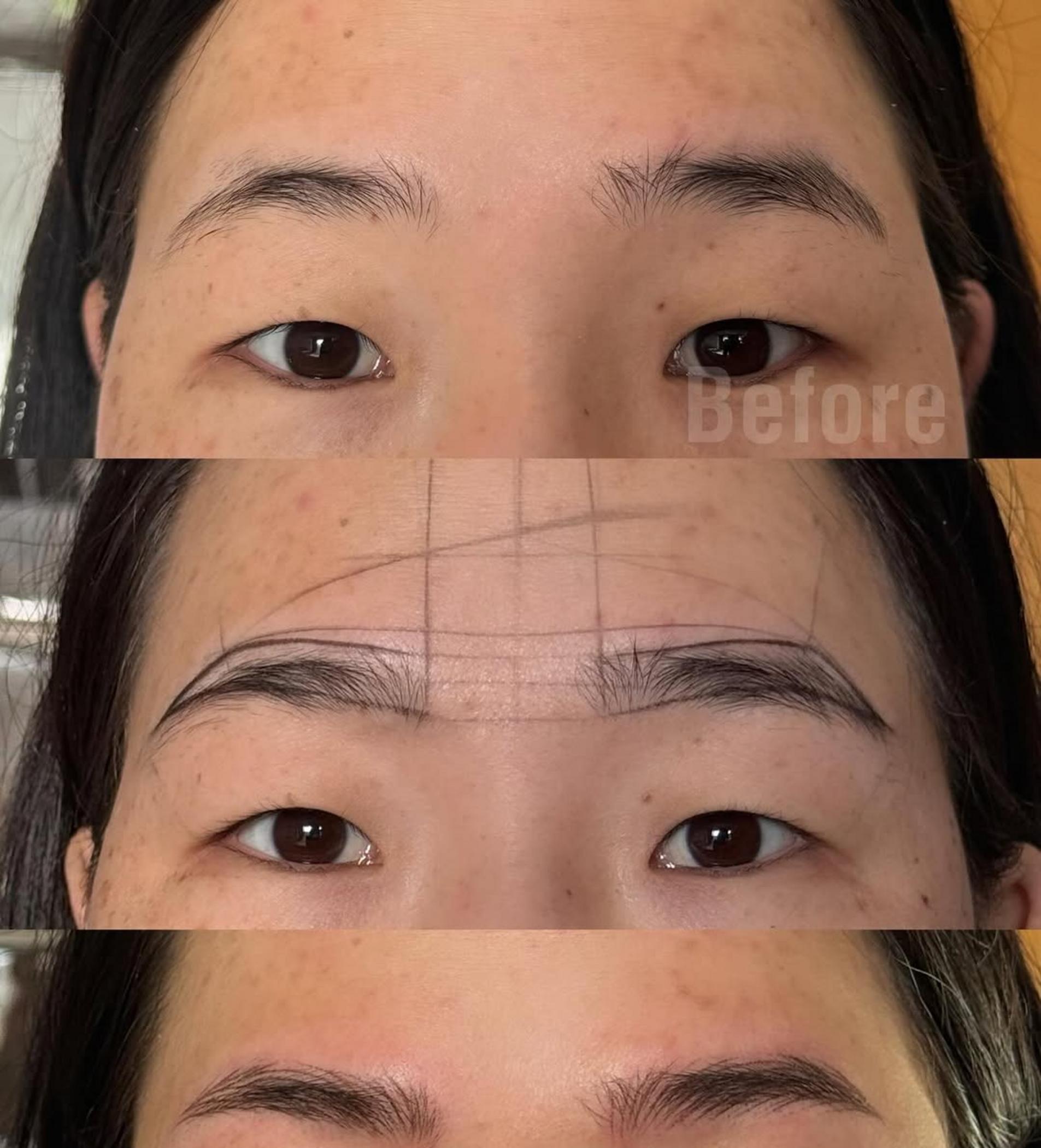
This is the bit everyone really wants to know: will your brows fade faster? Well, sometimes, yes, but not for the dramatic reasons social media might suggest. In many cases, the improved formulation means better pigment colour stability and less weird undertone drift over time, even if the initial result is a bit softer than expected.
There’s a big difference between expectation and reality: a darker result straight after the treatment doesn’t necessarily mean the colour will last longer. It often just means there’s the normal amount of oxidation, mild inflammation, and some excess surface pigment.
Fading, Shift And Migration
Permanent makeup pigment fading depends on a whole load of things, like depth, skin type, daylight exposure, immune system response, aftercare, and the pigment’s chemistry. Heavy metal restrictions can reduce some of the instability caused by contamination, but they don’t entirely stop the natural breakdown process. The goal of a good compliant ink is to aim for soft fading rather than a nasty residue.
Colour shift can still happen if the wrong base is chosen for the client’s undertone, and pigment migration is all about technique, skin structure and overworking- it’s not just about the regulation. Clients in Melbourne who spend a lot of time outdoors, use active skincare, and keep forgetting their hats will often see a faster fade than clients with a gentler routine.
What Australian Clients Should Expect
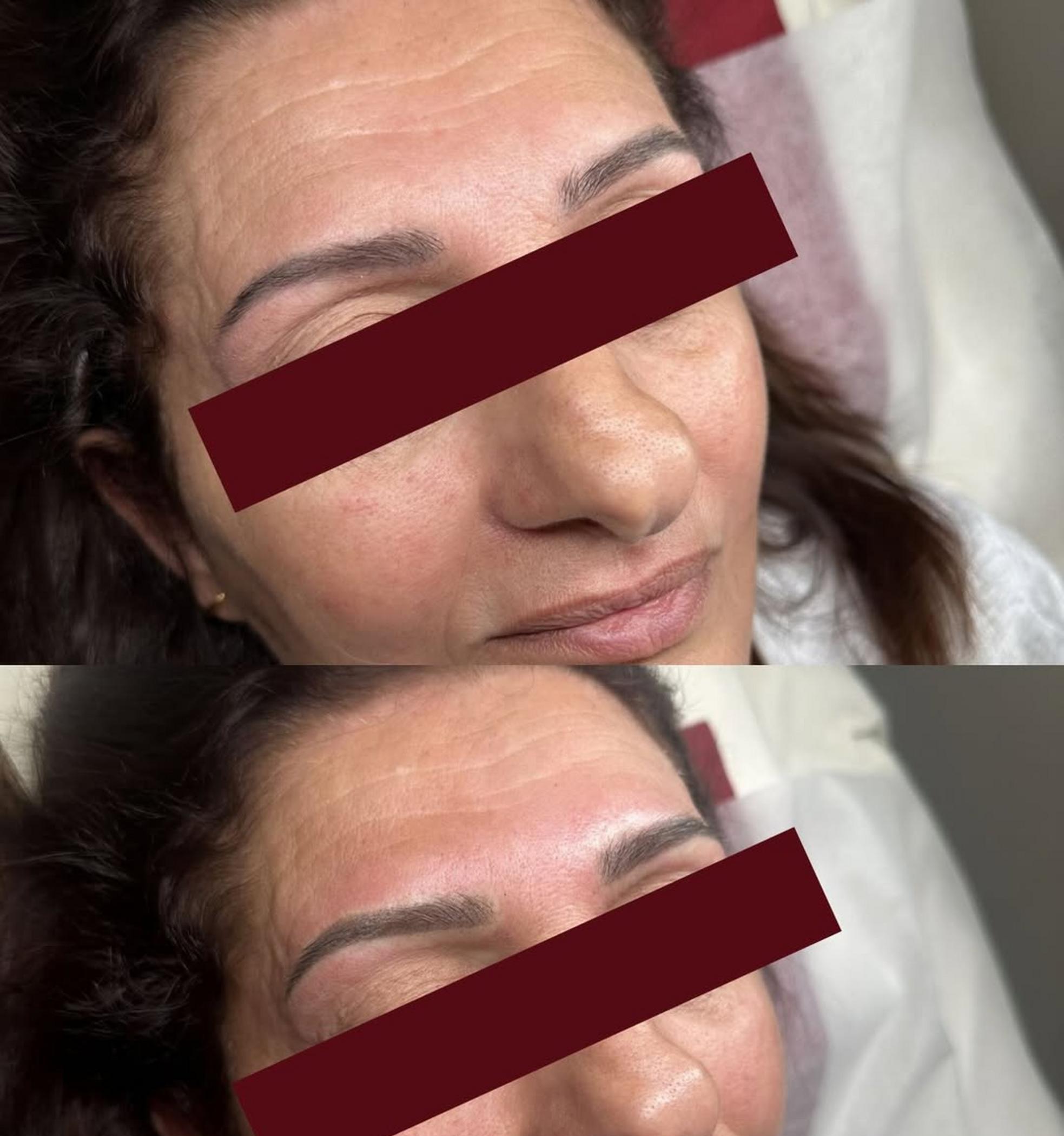
For clients in Melbourne, the reality is simple: a lot more discussion beforehand, better consent, and often a clearer picture that one session is just the start. Most brow appointments at Face Figurati run for about 2 to 3 hours, including mapping out the shape and numbing up, and you’ll need to come back for a review or fine-tuning session 6 to 10 weeks down the line – all depending on how well you heal.
At Face Figurati, I always make sure people know that the whole point of compliant brow work is to get the best out of your brows over the long term. So if you can only do one session, we focus on getting the shape and softness right, rather than packing on loads of colour. We can always build up from there. Trying to fix overdone brows is a lot more of a hassle.
Costs, Timing And Suitability
In Melbourne, an initial cosmetic eyebrow tattooing procedure can set you back anywhere from $450 to $900. And if you need a touch-up, that can be even more expensive. Prices vary depending on the artist’s experience, the pigment’s age, and the complexity of your skin. Most people can go back to work the day after, but for a few days after that, your brows will look darker, and you might get a bit of flaking.
Not everyone will be a good candidate for this right now. I might put treatment on hold if you’re pregnant, or have a skin condition in the area that’s not under control, or if you’ve had injectables done recently, or if you’ve got uncontrolled medical issues, or unrealistic expectations about having “forever brows“.
What To Check Before Booking
This is where you do your due diligence to ensure you’re having a good experience. A website might look pro, but that doesn’t mean the studio can actually back up its claims. Ask some pretty basic questions – and the boring ones at that. Those are the ones that really matter.
Here are some things I think anyone looking for a good studio should definitely ask:
- Is there a certificate of analysis on hand for the actual pigment batch they’re using?
- Evidence of lab testing for contaminants and microbiological safety?
- Do they have brand documentation demonstrating compliance with EU REACH heavy-metal limits or other relevant market requirements?
- A clear ingredient list, batch number, expiry date, and who their supplier is?
- How do they deal with hygiene in the studio? Do they do patch tests and get proper consent from clients?
What Catches People Off Guard
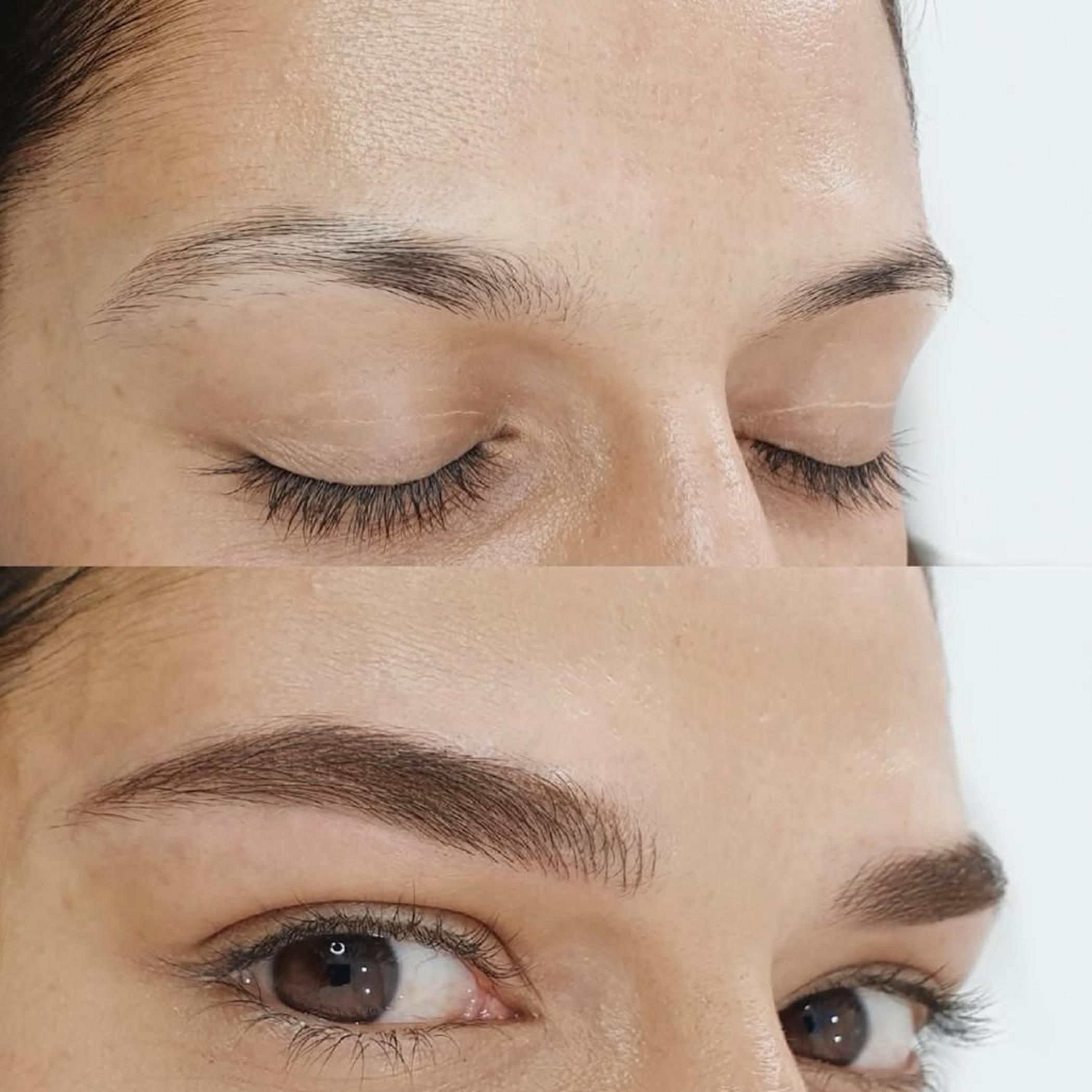
The biggest surprise? Even with a good pigment, you’ll still need to top it up every now and then. Most people need a colour refresh every 12 to 24 months, sometimes sooner if you’ve got oily skin or live in a high-UV environment. And another thing that catches people out – some brands may change their packaging or how they do things to meet sustainability goals or what have you, but at the end of the day, it’s all about getting a good product that does the job and isn’t just fancy looking.
My Honest Final Take
If one thing stands out from all this, it’s that the revised standards are a big thumbs up for safety and consistency, but at the same time, they put a spotlight on the weak links in the industry – like inferior technique and dodgy suppliers. And to be honest, that’s not a bad thing at all. It means the industry is being pushed toward better pigments, clearer documentation and – let’s face it – more straightforward conversations about how to keep our work looking good for years to come.
At Face Figurati in Melbourne, we’re not here to give you the sales pitch. We’re here to give you the straight-up truth. If you’ve got any doubts about whether your current artist or pigment supplier is still cutting it, just give us a call. We’re always happy to chat through the implications of the changes and work out whether you need a whole new set of brows or just a refresh.
Summary
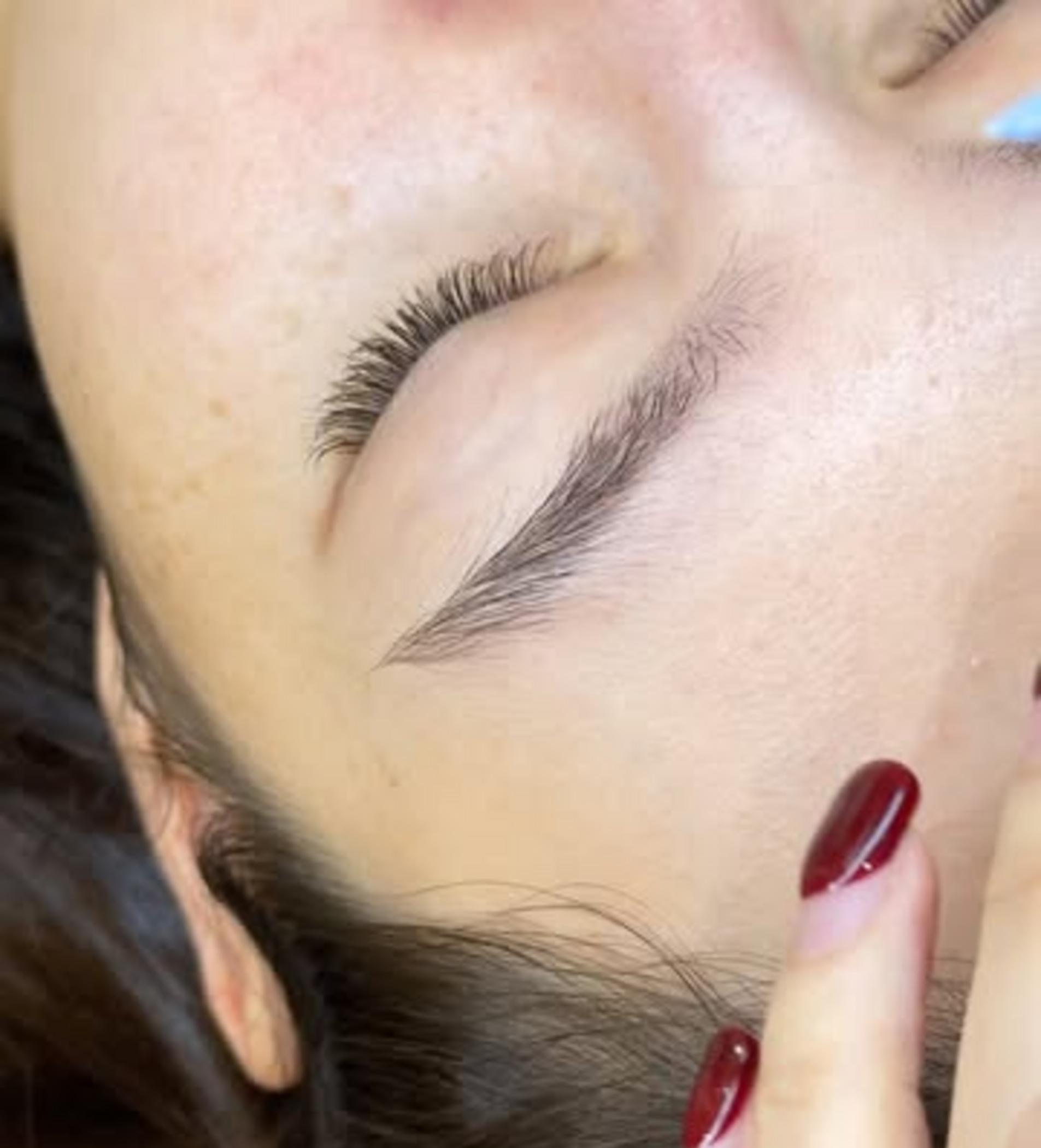
So what does it all mean for the state of eyebrow ink in 2026? Well, essentially, it means brands will have to up their game in keeping their products contaminant-free, getting their paperwork in order, and delivering more consistent results. For clients here in Australia, that’s likely to mean safer, more natural-looking pigment choices, softer healing and more realistic expectations about how long your new brows will last.
FAQ
What Are The Heavy Metal Limits In Cosmetics Anyway?
Well, the answer to that is a bit complicated – it all depends on where you are in the world and what kind of product you’re dealing with. At a basic level, though, brands should show that their inks contain only tiny amounts of substances like lead, arsenic and nickel.
What’s The EU Got To Do With All This, Then?
In the EU, cosmetics are mainly governed by Regulation (EC) No 1223/2009 – though as far as tattoo and PMU ink go, they also have to play by the rules set out under REACH – that’s the EU’s rules for registering, evaluating, authorising and restricting chemicals.
How Do Heavy Metals In Inks Become a Health Problem?
Simple. If they’re present in higher-than-normal amounts, they can cause irritation, sensitise the skin, or even lead to long-term health problems.
How Many Chemicals Are Off-Limits For Cosmetics In Europe?
To be honest, it’s a bit of a moving target, but the number is in the thousands, not the dozens or hundreds. It changes over time as new restrictions get put in place and old ones are updated or removed.
Do Brows Done With Compliant Ink Last Longer?
Not always – in fact, they might even last for years with the right aftercare and technique. The real difference is that they might heal up softer and look more natural – and that’s still a pretty big win.