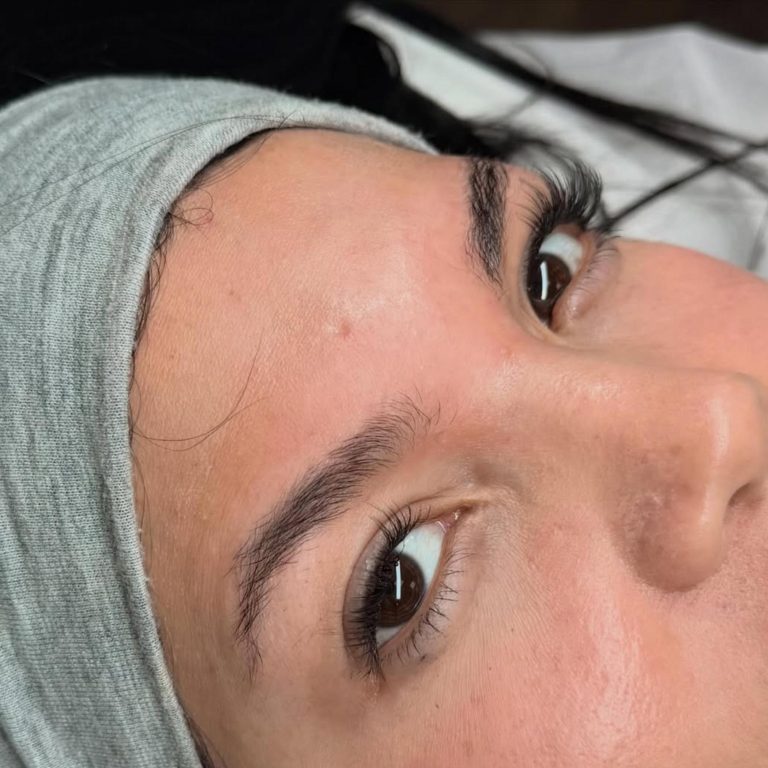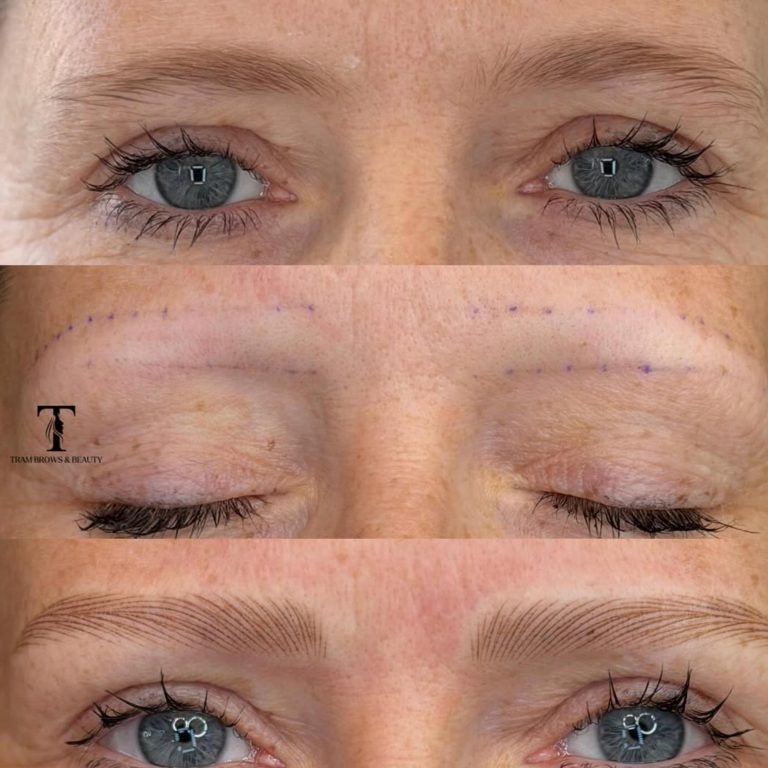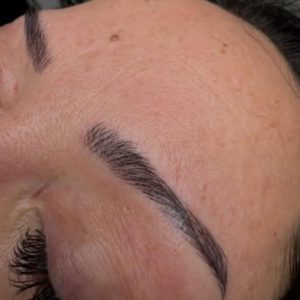
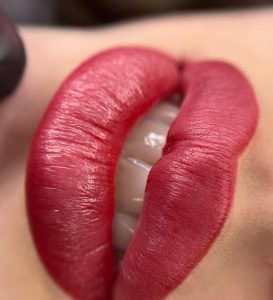
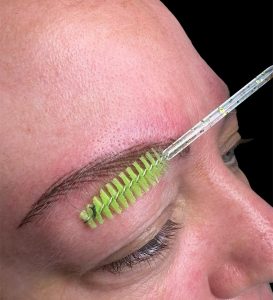
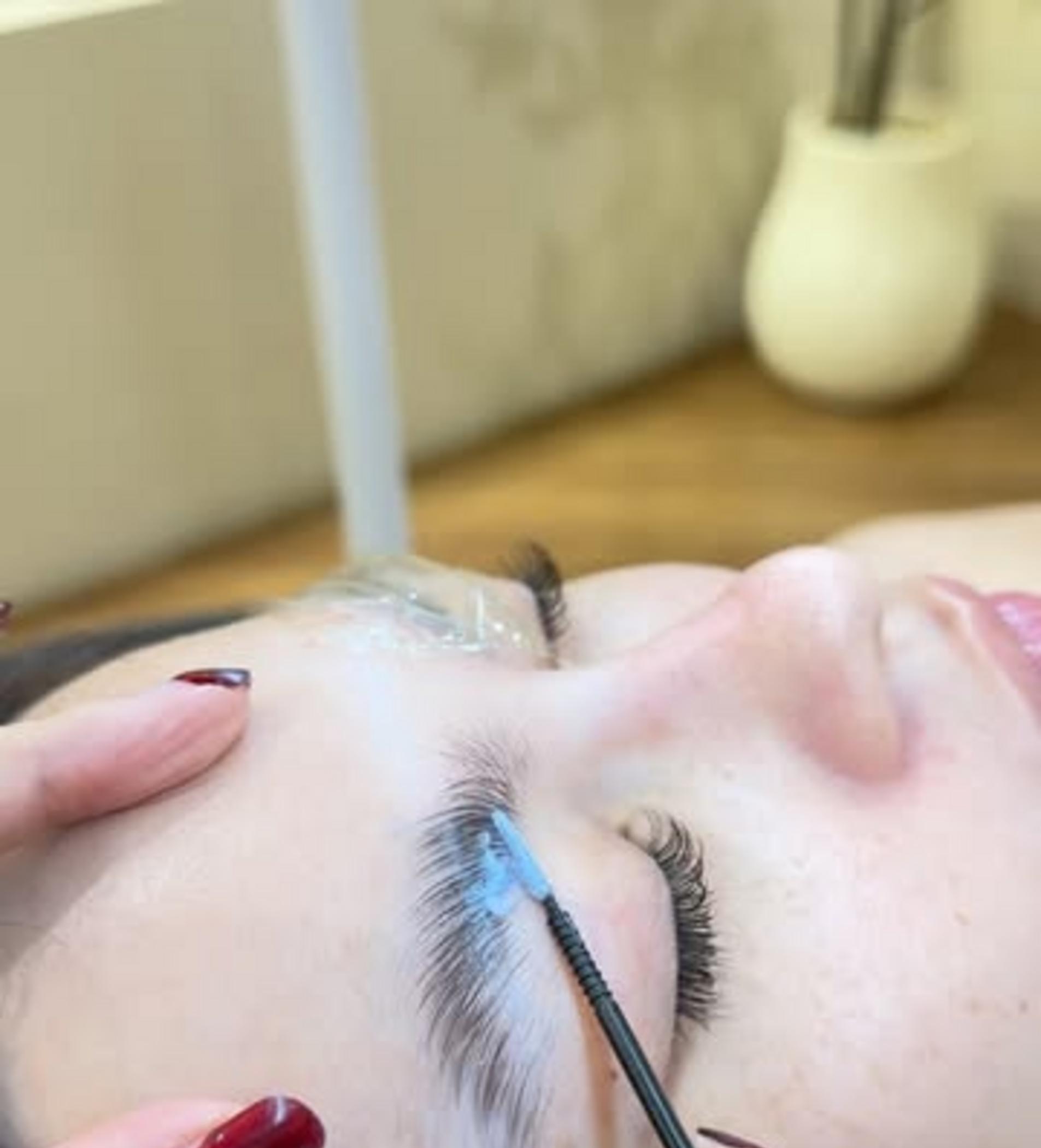
Eyebrow pigment yellowing with diabetes is a real concern—so does glycation actually shift warm brow ink toward an orange tone over time? Short answer: not exactly. In all my time running Cosmetic Tattoo Studio Melbourne Face Figurati as Olha Po, I’ve found that the body’s glycation process is a big factor in skin yellowing, slower wound healing in diabetes cases, and how well pigment sticks – but its not the complete story. What usually causes eyebrow ink to turn orange is a mix of the type of pigment used, the chemistry of iron oxide, how much UV exposure it gets, how well it heals, how the skin behaves, and how the colour was originally done.
If you’re a cosmetic tattoo artist or client with diabetes, this distinction makes a big difference. Online discussions about glycation and eyebrow pigment often get way too simplified, and people end up blaming one medical process for a colour shift that’s actually caused by something else – like poor pigment choice, not enough sun protection, or an old microblading colour change from a few years ago.
Why This Matters In Clinic
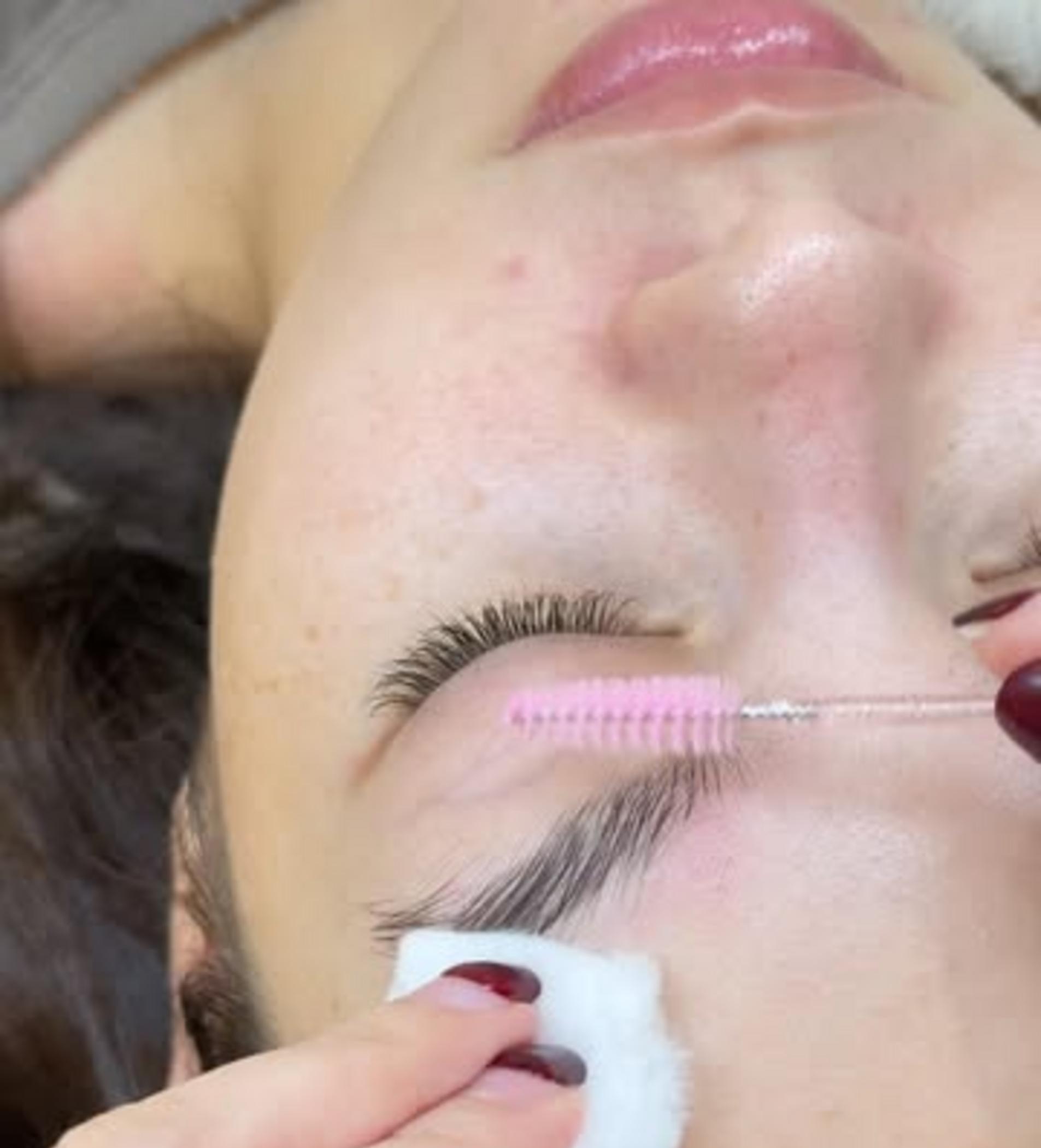
Let’s be honest: when a client comes in worried that their brows are going apricot, they do. We all know it: when a client turns up worried that their brows are going apricot, they don’t want a lecture on chemistry first. They want to know if their health, their artist or their pigment is the problem. Fair enough.
In Melbourne, I see this theme come up more and more after summer, after skin treatments done too soon, or in older brow tattoos created with very warm bases. Diabetes does change healing and long-term colour behaviour – but it’s rarely the only issue.
Quick Takeaways First
Skin AGEs – that’s Advanced Glycation End products – form when sugars bond to proteins and lipids, and in skin, that’s linked to collagen glycation, elasticity and a dull or yellowed look. That can definitely change how we see healed cosmetic tattoo colour, especially if the remaining pigment is already warm-toned.
But when you look at it from a more practical perspective, permanent makeup pigment oxidation, pigment breakdown and eyebrow tattoo fading are generally more about the type of pigment used and the environment its exposed to, rather than glycation alone. In plain language: glycation might lay the groundwork, but it’s not the whole story.
How Glycation Changes Skin
Most people tend to skip over this bit, only to be left wondering why their finished product looks different on different clients. But the truth is, skin isn’t just some passive piece of paper – it’s a living, breathing tissue. And if you’ve got diabetes, that tissue can change in ways that matter big time for permanent makeup.
You can see this all coming out in the research – there are loads of papers on it kicking around in PMC (PubMed Central) and in dermatology education sources like Skin Therapy Letter. Basically, advanced glycation end-products are linked to stiffer collagen, slower repair, and visible yellowing of the skin. And that’s a big deal for cosmetic tattooing because we’re implanting pigment into skin that needs to heal smoothly and evenly if we want the colour to come out right.
What Glycation Looks Like
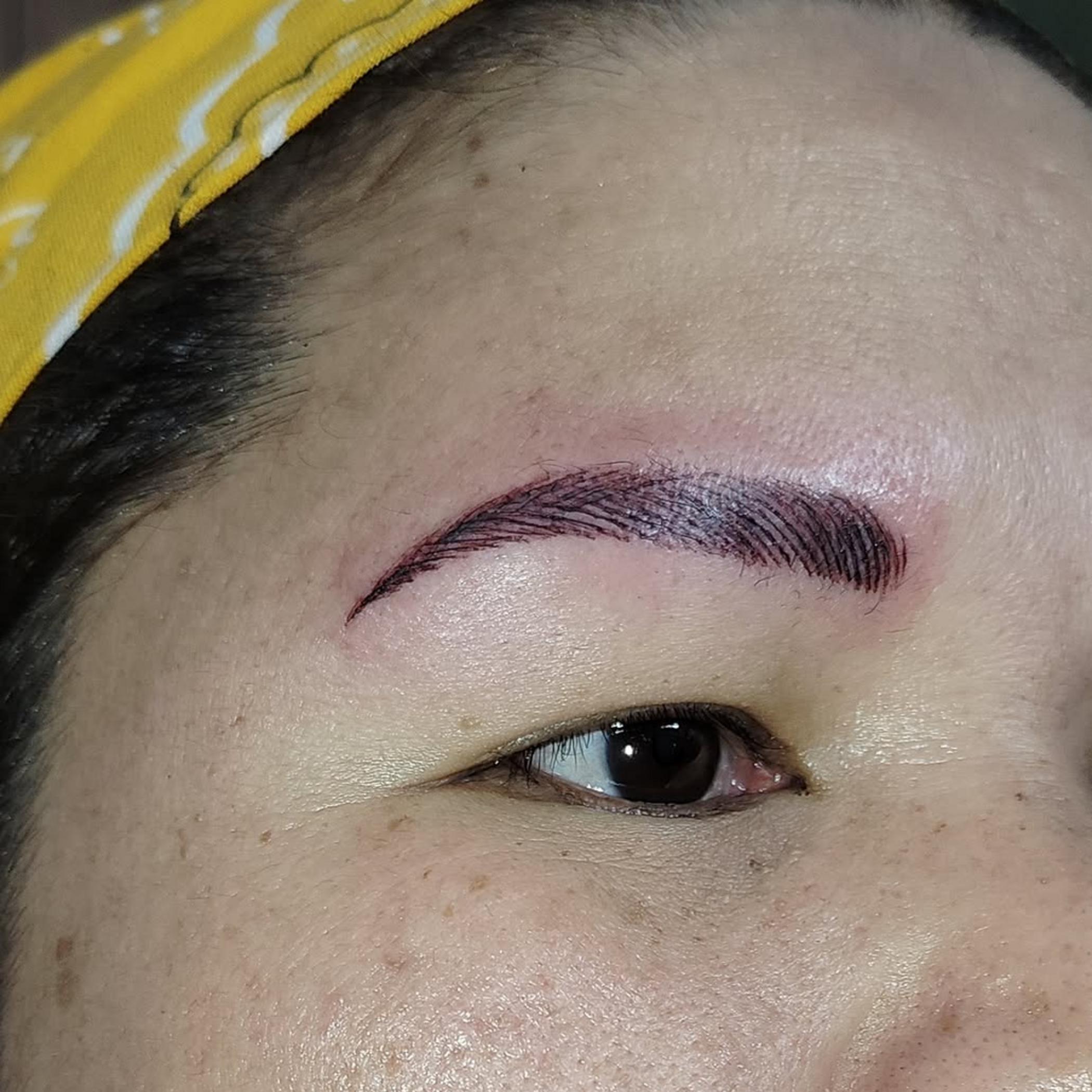
So what does glycation on the face look like? Often it shows up as a dull, sallow complexion, or skin that’s lost its bounce – and it can take ages to heal too. In some people with diabetes, there can also be some pretty uneven tone going on, which can make warm pigments look even warmer once they’ve healed.
Which Skin Protein Gets Hit Hardest
So, which protein in the skin is most susceptible to glycation? The answer’s collagen – and not just any old collagen, but the long-living dermal kind that’s supposed to keep your skin nice and flexible. When that collagen gets glycoated, the tissue just can’t repair itself as easily, which can really affect how well the pigment retains its colour and how smooth the healed strokes come out.
Why Warm Pigments Shift More
Now this is the bit where a lot of artists get confused and start talking about how the pigments themselves are the problem. But the thing is, it’s not always the pigments, it’s the skin – and sometimes it’s just the natural process of the pigment fading. I mean, a yellow-orange healed brow does not necessarily mean the client’s got some sort of oxidation going on – sometimes it just means the original formula was warm-leaning from the get-go, and the cooler bits have just faded out.
I’ve had my fair share of Melbourne brows to fix, where the client blamed it on diabetes, hormones, or just bad luck – but the truth is, most of the time it’s just the natural fading of the pigments. There’s a bit of a cheeky truth that comes out in the treatment room: some brows don’t change colour mysteriously – they just start to show you what was always there in the ink.
Iron Oxides And Warm Bases
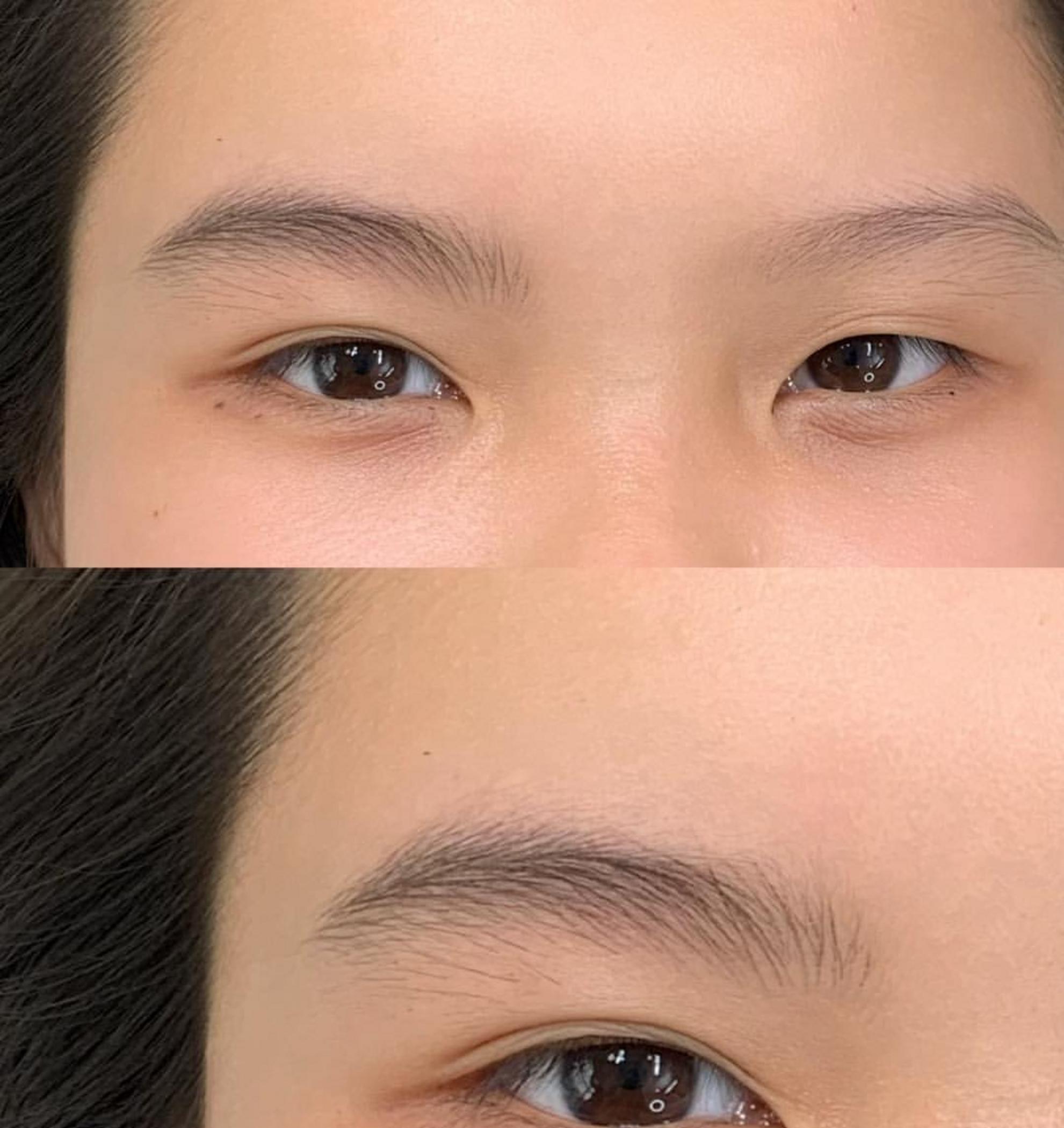
Many iron oxide pigments in eyebrow ink formulas contain red, yellow, and black components. And if the darker, cooler part fades away first – or if the implant is a bit shallow – then you can end up with a peachy, orange, or yellow-brown tone left behind. That’s part of the reason why colour stability in warm pigments is such a big deal in PMU education at the moment.
The thing is, when we talk about permanent makeup pigment oxidation, we often use the word “oxidation” a bit loosely. But the truth is, colour change is often down to a combination of things like UV degradation, dispersion changes, selective fading, and skin optical shifts – not just one single chemical event.
Diabetes And Healing Variables
Diabetes can affect all sorts of things like circulation, inflammation, and wound healing – and if the healing process is a bit rough or patchy, then the end result can be uneven, lighter, or warmer than you intended. And that’s not because the pigments themselves have magically changed colour – it’s just because the skin environment has affected how they settle and how they look.
| Factor | What It Can Do | Orange/Yellow Risk |
| Glycation / AGEs | Skin yellowing, stiffer collagen, slower repair | Indirect |
| Warm pigment formula | Leaves visible yellow/red components over time | High |
| UV exposure | Speeds fading and pigment breakdown | High |
| Poor implantation depth | Patchy retention, faster loss of balance | Moderate to high |
| Aftercare mistakes | Scabbing, poor retention, uneven healing | Moderate |
| Diabetes-related healing issues | Slower recovery, inconsistent uptake | Indirect to moderate |
Other Causes Artists Miss
If you only pin the blame on glycation, you’re going to miss the obvious reasons why eyebrow colour changes week in, week out in a studio. Experienced artists know that practical factors play a way bigger role than some popular internet theories.
At Face Figurati, when we look at old brows, the most common reasons for colour change are the previous pigment selection, sun exposure, skin type, and old microblading scars. In Melbourne, you’ve got to factor in the dry winter wind and super strong summer sun – they can make healed results behave very differently depending on the time of year.
What Most People Get Wrong
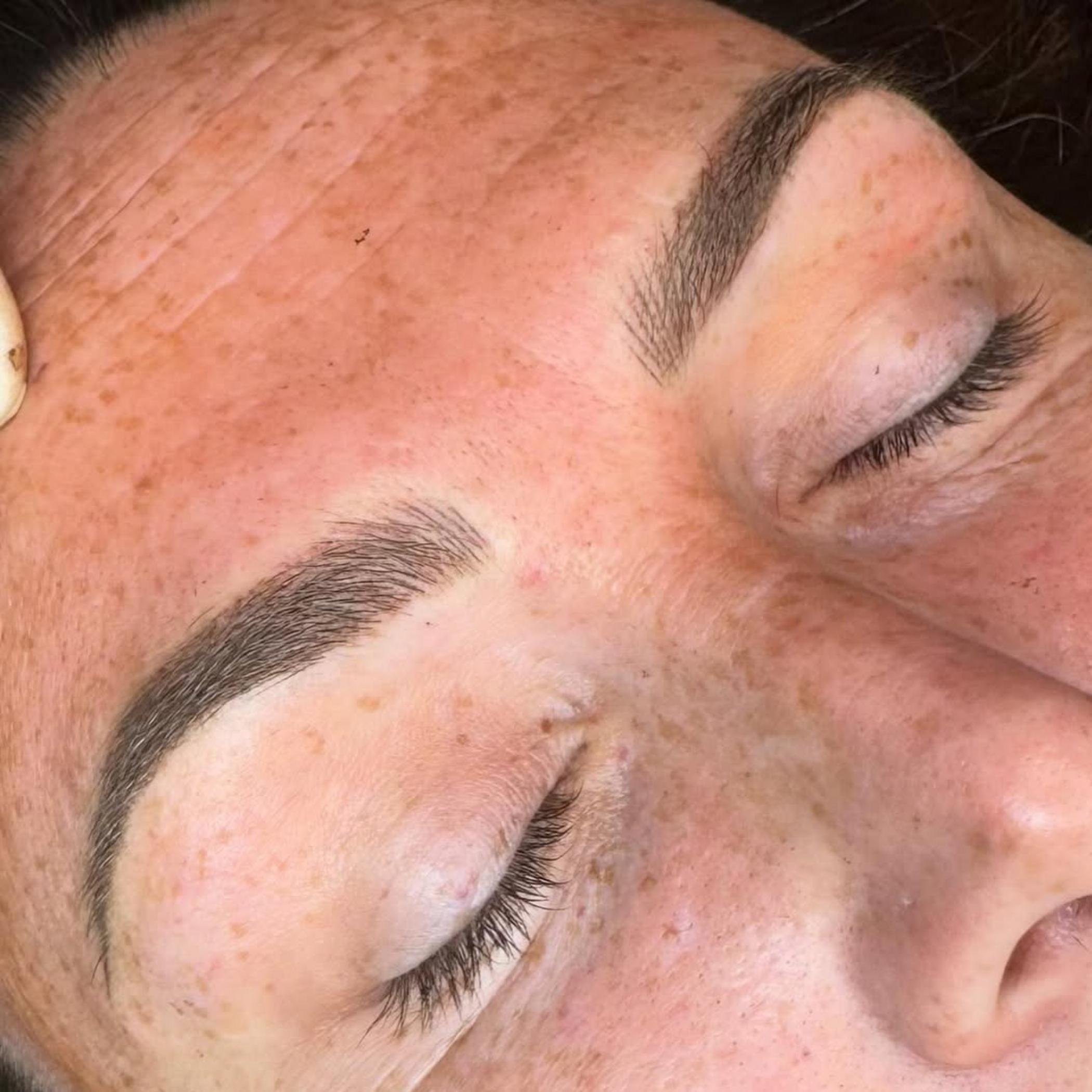
Clients often assume that one session will give them their final colour. The reality is that one session gets you a draft. It takes about 4 to 8 weeks for the soft-healing result to appear, and for diabetic clients, it can take a bit longer before we can even properly assess retention.
Sometimes artists try to over-warm a formula to make sure it doesn’t heal grey. But the thing is, a year or two down the line, the fading of an eyebrow tattoo will often expose that warmth. That’s not the client’s fault; it’s just a planning problem.
Common Non-Glycation Triggers
- Too much UV exposure – it messes with pigment retention
- Low-quality or poorly matched pigments, which is just poor practice
- Shallow microblading on oily or mature skin – you can’t just push the needle in and expect it to work
- Going for aggressive skin treatments too close to your brows – just don’t do it
- Follow-up aftercare is key – don’t pick at your skin or wash it too much!
Safer Planning For Diabetic Clients
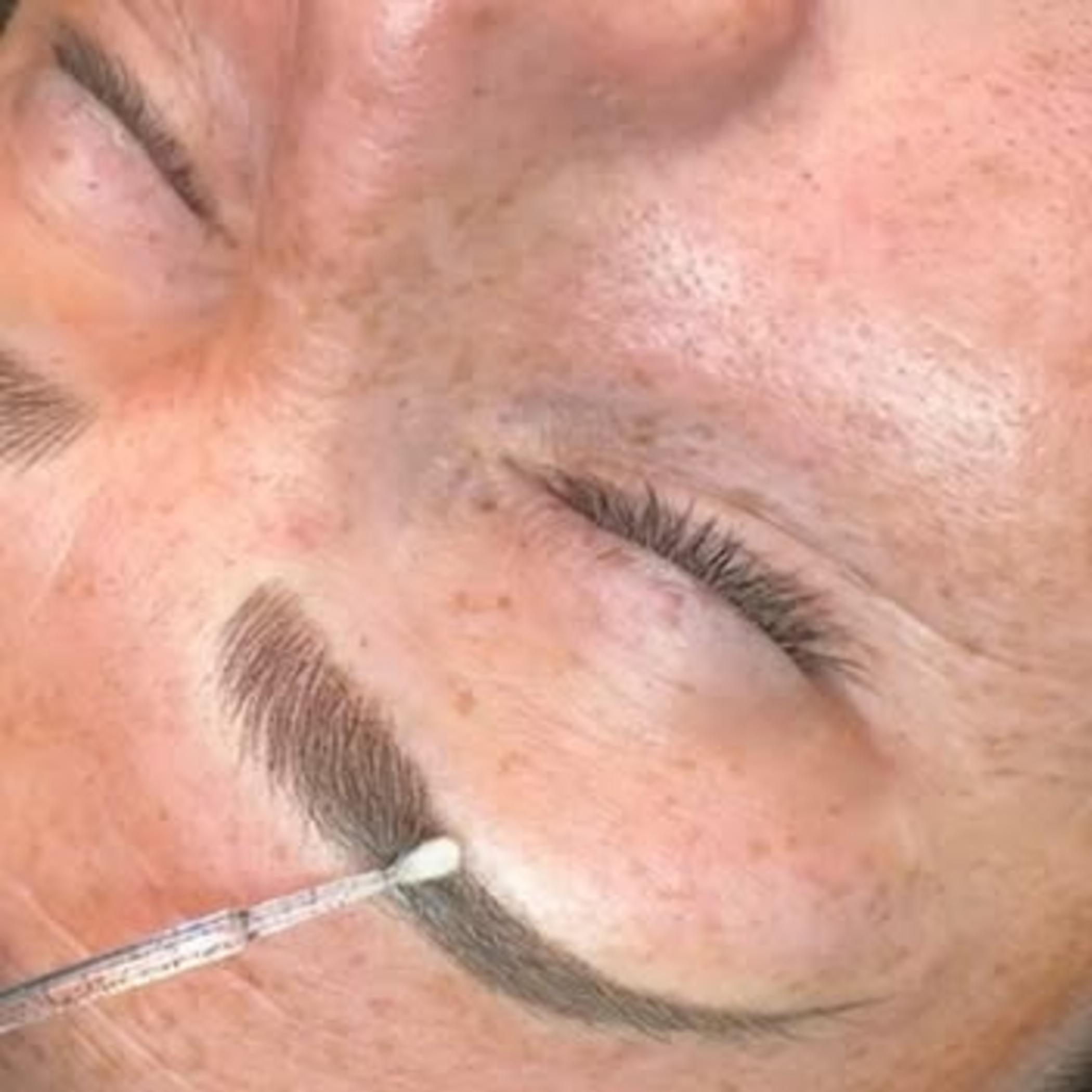
Okay, so this is the bit that really matters. Diabetic clients can totally get eyebrow tattoos, but it depends on a lot of factors – control, skin condition, medication, healing history and what they want.
At Face Figurati, we screen carefully, use the right stuff, and make conservative colour choices where needed. I’d rather make a softer first pass and review later than just go for it and end up having to fix the warmth later.
Who Is Suitable And Who Should Wait
People who are stable, have intact brow skin, have no active infections, and have realistic expectations usually do fine. You should probably delay treatment if your blood glucose is all over the shop, you’ve got impaired healing, active dermatitis, just had a peel near the brow area or have a history of frequent complications after treatment – it’s just better to be safe than sorry.
Realistic Timelines And Costs
First appointments can take up to 3 hours, including consultation, mapping and procedure time. Most people need 2 sessions, with a perfecting touch-up at about 6 to 10 weeks; healing in diabetics can take a bit longer. Most people are fine to go back to work the next day, but you’ll want to steer clear of heavy exercise, sun and heavy skincare during the healing period.
In Melbourne, the going rate for a new brow tattoo is usually between $450 and $900, and corrections are often more, depending on the old pigment, symmetry issues, and whether you need to remove anything first. If you only have 1 session, focus on getting the shape and softness right before going for heavy density – that usually ends up looking better in the long run.
How I Set Expectations
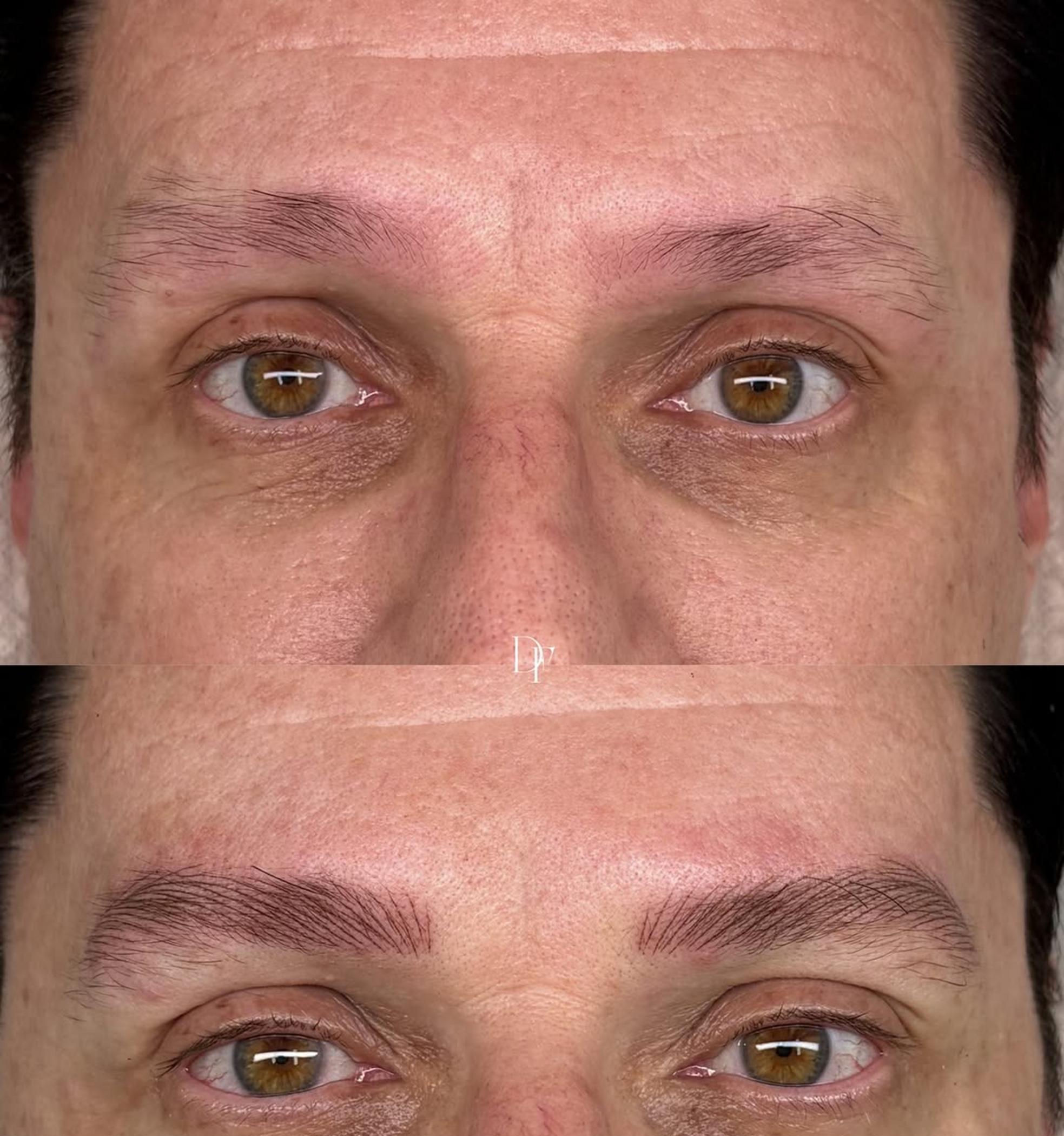
The best consultations are the honest ones with the client. I tell them straight out that diabetes may influence how well they heal, but I never say glycation on its own is why their brows turned orange. That’s too simplistic and just not good enough.
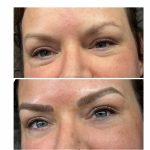
When I did a brow correction for a client who had diabetes and old uneven pigment, it turned out that the problem wasn’t just glycation – it was also sun damage, old pigment that had oxidised, and uneven retention from previous sloppy strokes. Once we got to the bottom of what was going on, the correction plan started to make sense.
Prep And Aftercare Basics
- Try to avoid using any harsh exfoliants or strong acids near your brows before the treatment
- Make sure you arrive looking good, hydrated, and having eaten a decent meal beforehand – your clinician should be able to advise on what to do
- Keep the area clean and dry, and don’t mess with it during the early healing phase
- Try not to pick at any flaking skin, and avoid sweating buckets or getting too much direct sun
- If you’re concerned about how things are healing, come back in for a review photo
Final Word From Olha Po
So, does glycation actually make warm-toned eyebrow inks turn yellow or orange in clients with diabetes? To be honest, the most accurate answer is no, not really, and not on its own at least. Glycation can mess with the skin environment, making it more yellow and slowing down healing, but that may affect how colour looks; it’s not the main reason. Its probably more down to the actual pigment used, UV exposure, the technique used, and how well you take care of yourself after the treatment.
If you’re unsure whether your old brow is having issues with glycation or just a dodgy original colour choice, get it assessed properly. And if you’re unsure about how well your brow is healing, get in touch – I’ll be happy to walk you through it.
Summary
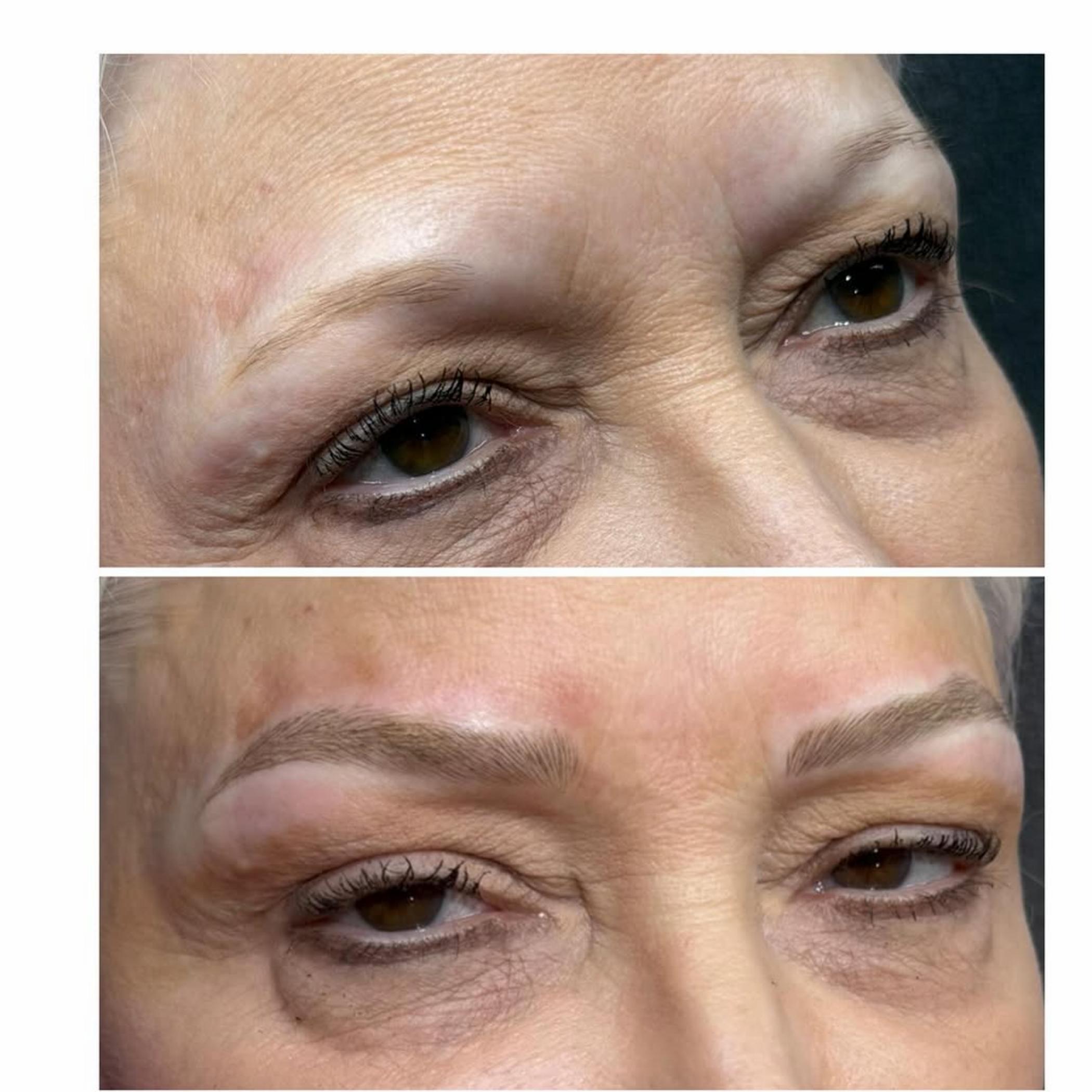
Diabetes and glycation can mess with healing and make healed brows look a bit dodgy, but they’re not the sole reason for your brow ink turning yellow or orange. In most cases, the colour shift is down to the pigment itself, how it fades, UV exposure, and the way the pigment was applied.
FAQ
What does glycation on the face actually look like?
Its usually dull, a bit yellowed, not as elastic as it used to be and takes longer to heal.
Which skin protein gets most affected by glycation?
Collagen is the main one that’s impacted.
Can you actually reverse glycation on the skin?
Not really. You can do a few things to support skin health, but established changes are quite hard to undo.
Does diabetes always make brow pigment turn orange?
No. Its usually down to the actual formula used, UV exposure, the way the treatment was done, and how well you heal afterwards.
What kind of ingredients actually fight glycation in the skin?
Loads of skincare brands claim their products have anti-glycation actives, but the evidence varies, and its a bit of a minefield. Meanwhile, the rest of us need to be careful not to get too carried away with the marketing claims.